
Flowers
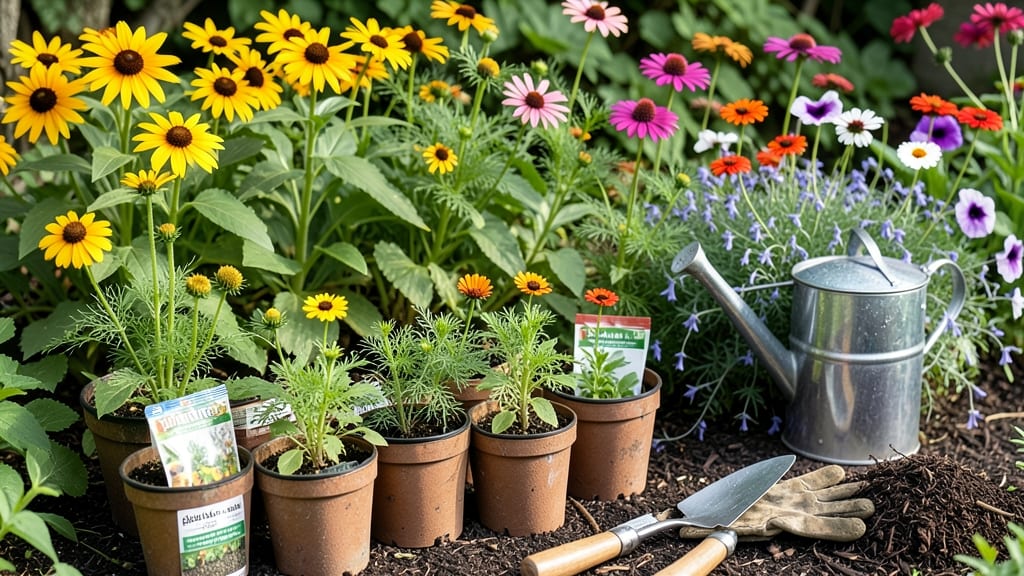
Timing your flower planting in New England isn't just about the calendar—it's about outsmarting frost dates before your 🌸 blooms even get a chance to grow. One wrong move, and your hard work could end up as a sad, frozen memory instead of a vibrant garden.
I've learned the hard way that even a 2-week miscalculation can mean the difference between a showstopper yard and a patch of brown sticks.
The key lies in understanding your local frost dates, which can shift dramatically from Maine to Connecticut. While the general rule points to late April through mid-June for spring planting, New England's microclimates mean your neighbor's perfect timing might leave you scrambling.
We'll break down exactly how to calculate your zero-frost risk window so you can plant with confidence—whether you're dealing with hardy perennials or delicate annuals.
Beyond the basics, I'll share my top strategies for extending your blooming season, from cold-hardy varieties that thrive in USDA zones 5a-6b to late-summer planting tricks that keep your garden lively well into fall.
Think you're limited to spring? Think again—there's a whole world of flowers that love August planting just as much as May.
Let's cut through the guesswork and get your flowers in the ground at exactly the right moment—so you can spend your summer admiring them instead of wondering why they never took off. Ready to master the art of New England planting?
New England frost dates by region: when to plant flowers safely
New England’s last frost dates vary dramatically by region, making it critical to know your local averages before planting heat-sensitive flowers. Whether you're in Maine’s coastal chill or Connecticut’s warmer valleys, timing is everything for vibrant blooms.
These dates mark when you can safely plant annuals and tender perennials without risking frost damage.
Most New England gardeners follow USDA Hardiness Zones 5a-6b, but microclimates—like urban heat islands or sheltered valleys—can shift frost dates by 2-3 weeks. For example, Burlington, VT (Zone 5a) often freezes later than Portland, ME (also Zone 5a) due to lake effects. Always adjust for your specific location.
Key rule: Wait until 3 consecutive days above 50°F before planting frost-sensitive flowers like petunias or marigolds. For cold-hardy flowers (e.g., pansies, snapdragons), you can plant 4-6 weeks before the last frost date. Use this table for your region’s averages.
For perennials and bulbs, plant in early spring (March–April) or early fall (September)
How to calculate your exact zero-frost risk planting window
Calculating your zero-frost risk planting window in New England starts with understanding your local climate patterns. While general frost date tables provide a baseline, your specific yard might experience microclimates that shift planting times by 1-3 weeks.
For example, a south-facing slope warms faster than a shaded valley, creating a false sense of safety if you rely on averages alone.
Begin by checking the National Weather Service or Old Farmer’s Almanac for your town’s 30-year historical frost data. These tools show average last frost dates, but I always cross-reference with my own 5-year local records—because 2020’s late May frost in southern Vermont caught many gardeners off guard.
Your goal is to find the 90% confidence window, meaning there’s only a 10% chance of frost after your target date.
Here’s my foolproof method: Add 2 weeks to your average last frost date for annuals that can’t handle even light frost. For tender perennials like dahlias or cannas, wait another 1-2 weeks to ensure root establishment before heat waves arrive.
Pro tip: Use the Almanac’s frost calculator and input your exact latitude/longitude for precision down to the nearest 5 miles.
⚠️ Warning: Late Frost Traps Are Real
New England’s late April/early May can bring "false springs" where temperatures soar, then plummet. I’ve seen 70°F days followed by 32°F nights within 48 hours—this is when tender seedlings (like impatiens or marigolds) get fried. Always have row covers ready for your first 2 weeks of planting, and monitor nighttime lows via weather apps like Weather Underground.
Next, account for soil temperature, which often lags behind air temperature. Use a soil thermometer to confirm your garden bed is above 50°F before planting cool-season crops or 60°F for warm-season flowers. Clay-heavy New England soils stay cold longer—amend with compost to speed up warming by 3-5 days.
For fall planting, work backward from your first frost date. Most annuals need 8-10 weeks to mature, so count back from mid-October. Hardy perennials like chrysanthemums can handle light frosts and often bloom better when planted in late August.
I’ve had black-eyed Susans survive until November 1st with proper mulching!
Finally, test your window with a trial run: Plant a few fast-growing annuals (like radishes or nasturtiums) 2 weeks before your calculated date. If they thrive, you’ve found your sweet spot. If not, adjust and try again next year—because in New England, perfection is a moving target. 🌱