
Flowers
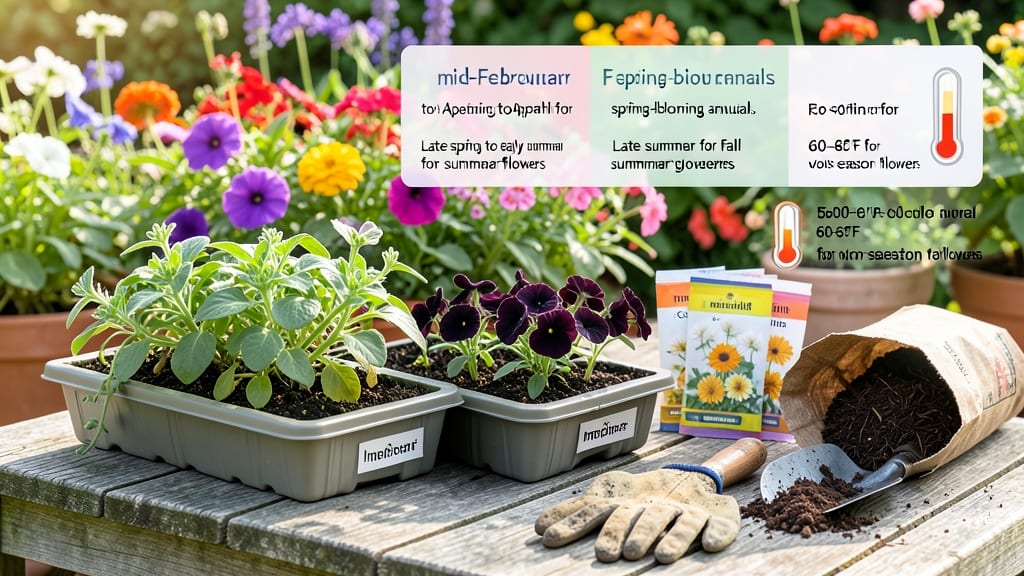
Planting flowers in North Carolina at the wrong time can mean the difference between a garden bursting with color and one that never quite takes off.
The Tar Heel State’s varied climate—from the humid coastal plains to the cooler mountain regions—means timing is everything for lush blooms that thrive all season.
I’ve learned the hard way that spring planting isn’t a one-size-fits-all approach. Whether you’re in the Coastal Plain (Zone 8a), the Piedmont (Zone 7b), or the Mountains (Zone 6a), the last frost date and soil temperature shift the ideal window dramatically.
Skip this step, and you might end up with flowers that bolt in the heat or freeze before they even sprout.
So when exactly should you plant? The answer depends on whether you’re sowing seeds, transplanting seedlings, or tucking in hardy perennials. I’ll break down the precise months for each USDA zone, plus pro tips for bulbs, annuals, and perennials that’ll have your garden looking like a postcard by summer.
Let’s get your flowers in the ground at the perfect moment—because the best time to plant a flower is now, but the right now makes all the difference. Ready to dive in?
North Carolina flower planting calendar by USDA zone (exact months for best results)
North Carolina spans USDA zones 5a through 8a, creating dramatic differences in planting windows from the cool mountain valleys to the humid coastal plains.
In zone 5a (western mountains), your last frost date may be as late as May 15, while zone 8a (coastal areas) can plant tender annuals like zinnias as early as February. Understanding these zones helps you avoid frost damage or heat stress before blooms even appear.
The key to success lies in soil temperature and frost-free windows. Most cool-season flowers (like pansies) thrive when soil reaches 45°F, while heat-loving annuals (like marigolds) need 60°F+.
Below, I’ve mapped exact planting months by zone, including bulb planting, seed sowing, and transplant timing for your region.
In zone 5a, where winters are harsh, I recommend starting cool-season annuals like pansies and snapdragons indoors by February for transplanting after your last frost. These flowers handle light frosts and even snow, making them ideal for mountain gardens.
For zone 8a, you can plant tender annuals like petunias and geraniums as early as February, but protect them from unexpected cold snaps with row covers.
For perennials, timing matters less, but spring planting (after last frost) gives them time to establish roots before summer heat. In zone 6a, I’ve had great success with daylilies
Top 10 flowers to plant in NC by season (and when to start seeds indoors)
North Carolina’s diverse microclimates demand a tailored approach to flower gardening. From the humid coastal plains to the cooler mountain valleys, each region has its own ideal planting window.
I’ve selected the top 10 flowers that thrive across NC, complete with indoor seed-starting timelines and transplant dates tailored to your zone.
Whether you’re a beginner gardener or a seasoned pro, knowing when to start seeds indoors versus direct-sowing outdoors makes all the difference. For example, zinnias and marigolds can handle NC’s heat once established, but starting them too early indoors risks leggy seedlings that flop in summer’s intensity.
Here’s my season-by-season breakdown of the best flowers to grow, when to start seeds indoors, and when to transplant—adjusted for NC’s USDA Zones 6a-8a.
Start seeds indoors: February-March (Zone 6a-7a). Transplant outdoors: April-May after last frost. Coastal areas can plant 1 month earlier.
Start from bare-root divisions: March-April. Plant perennial tubers in early spring (soil temp 50°F+). Mountains: wait until May.
Start seeds indoors: March-April (6-8 weeks before last frost). Transplant outdoors: April-May. Direct-sow after last frost for heat-loving varieties.
Start seeds indoors: April (4-6 weeks before last frost). Transplant outdoors: May-June. Direct-sow in late spring for summer blooms.
Start seeds indoors: February-March (8-10 weeks before last frost). Transplant outdoors: April-May. Coastal areas: plant 1 month earlier.
Start tubers indoors: March (soil temp 60°F+). Transplant outdoors: May-June after last frost. Mountains: wait until June.
Start seeds indoors: March-April (6-8 weeks before last frost). Transplant outdoors: April-May. Direct-sow in late spring for longer blooms.