
Flowers
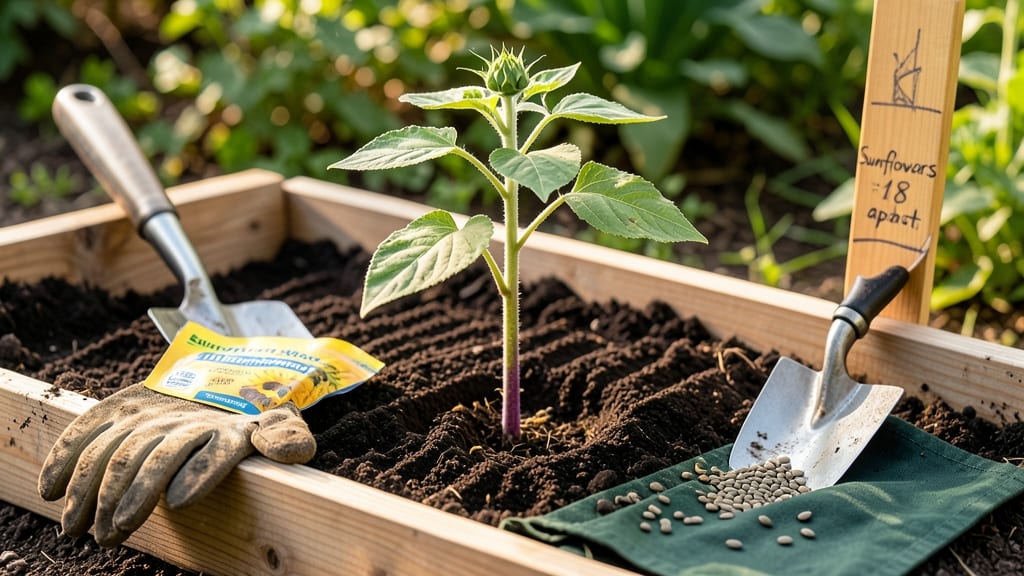
Planting sunflowers in Minnesota isn’t just about dropping seeds in the dirt—it’s about outsmarting the short growing season and frost dates that can make or break your 🌻 blooms.
With last frosts creeping in by mid-May and first frosts arriving as early as October, timing your sunflower planting is the key to a showstopping summer harvest.
You’ve got roughly 120-150 frost-free days to work with, which means waiting too long could leave your sunflowers stunted or worse—frosted before they reach maturity. But don’t worry: with the right strategies, you can still grow towering sunflowers even in Minnesota’s chillier zones.
In this guide, I’ll break down the exact planting windows for USDA Zones 3-4, including when to start seeds indoors versus direct sowing outdoors. Whether you’re in the Twin Cities or up north near Duluth, you’ll learn how to maximize your sunflower’s growth potential before the first frost hits.
Ready to turn your garden into a sunflower paradise? Let’s dive into the perfect planting schedule so your sunflowers thrive all summer long.
Minnesota sunflower planting deadlines by last frost date (Zone 3 vs. 4)
Minnesota’s USDA Zones 3 and 4 create a tight window for sunflower success. In Zone 3 (northern MN), the average last frost date is May 15-20, while Zone 4 (southern MN) sees frost-free conditions by May 1-10.
These dates determine whether your sunflowers will mature before the first frost (typically September 20-30), giving you just 120-150 frost-free days to work with.
Sunflowers need 60°F+ soil temperatures to germinate, which usually aligns with late May in Minnesota. Planting too early risks seed rot from cold, damp soil, while late planting may leave flowers struggling to mature before frost.
The key is balancing seed viability with growing season length—a challenge in Minnesota’s unpredictable climate.
For direct sowing outdoors, aim to plant 2-4 weeks after your area’s last frost date. This gives seeds time to establish roots before summer heat arrives.
In Zone 3, that means late May to early June, while Zone 4 gardeners can start as early as mid-May. Always check your local Almanac frost dates for backup deadlines if spring is delayed.
🌱
| Zone & Location | Avg. Last Frost Date | Ideal Planting Window | Backup Deadline | Soil Temp Requirement |
|---|---|---|---|---|
| Zone 3 (North MN: Duluth, Brainerd) | May 15-20 | Late May - Early June | June 10 (risky) | 60°F+ (late May) |
| Zone 3b (Central MN: St. Cloud) | May 10-15 | Early May - Late May | June 5 | 60°F+ (early May) |
| Zone 4 (South MN: Minneapolis, Rochester) | May 1-10 | Mid-May - Early June | June 15 | 60°F+ (early May) |
| All Zones (Late Planting) | N/A | June 1-15 (with protection) | July 1 (emergency) | 70°F+ (warmed soil) |
Choose fast-maturing varieties (50-60 days to harvest) for Zone 3, like 'Teddy Bear' or 'Moulin Rouge', which thrive in shorter seasons. In Zone 4, you can opt for slightly taller varieties like 'Autumn Beauty' (70-90 days), but monitor growth closely.
If you miss the ideal window, consider container growing—pots warm up faster and can be moved indoors if frost threatens.
Always test your soil temperature with a thermometer before planting. Cold soil (below 55°F) slows germination, while warmed soil (60°F+) encourages strong root development. Use black plastic mulch or row covers to raise soil temps by 5-10°F if needed.
This trick extends your planting window by 1-2 weeks in cooler areas.
For emergency late plantings, sow seeds in deep containers (12"+) and place them in a sunny, sheltered spot. Use row covers at night to protect young plants from unexpected frosts.
Even if frost hits, sunflowers can recover if the stem remains green—just remove damaged leaves and monitor for regrowth.
🌻
Remember: Sunflowers hate transplanting, so avoid starting seeds indoors unless you’re using biodegradable pots for direct transfer. Direct-sow seeds 1 inch deep and 6 inches apart in loose, well-draining soil. Thin seedlings to 12-18 inches apart once they reach 6 inches tall to prevent overcrowding and disease.
If you’re in Zone 3 and experience a late frost after planting, don’t panic—sunflowers are
How to extend your Minnesota sunflower growing season: cold-hardy varieties and protection tips
Minnesota’s cool climate and short growing season can feel like a challenge for sunflowers, but with the right cold-hardy varieties and protection strategies, you can still enjoy tall, vibrant blooms all summer long.
The key is selecting sunflower types that mature quickly and using techniques to warm the soil and shield young plants from unexpected frosts.
For gardeners in USDA Zones 3-4, choosing sunflower varieties with 50-70 day maturity gives you the best shot at success. These fast-growing types can reach full height before the first frost, even when planted just after the last frost date in mid-May.
Pair them with soil-warming methods, and you’ll give your sunflowers the head start they need.
- 🌿 Choose fast-maturing varieties: 'Moulin Rouge' (50 days), 'Autumn Beauty' (60 days), or 'Teddy Bear' (55 days) for short-season success.
- 🔥 Use black plastic mulch: Lay it down 2-3 weeks before planting to warm soil 5-10°F faster than bare ground.
- 🏡 Start seeds indoors: Begin in late March under grow lights, then transplant outdoors after last frost for a 2-week head start.
- 🛡️ Protect with cloches: Place individual cloches over seedlings until soil warms to 60°F+ for faster germination.
- 🌡️ Transplant carefully: Harden off seedlings for 7-10 days before moving outdoors to prevent transplant shock.
- 🌧️ Water deeply at night: Keep soil moist but avoid soggy roots to boost frost resistance in young plants.
One of my favorite tricks for extending the season is using row covers or mini greenhouses to create a microclimate around your sunflowers. These protective barriers trap heat and can push your growing season by 2-3 weeks, giving your plants extra time to mature.
Just be sure to remove covers during the day to prevent overheating and provide 6+ hours of sunlight.
If you’re planting in northern Minnesota (Zone 3), consider direct sowing in late May after the soil has warmed. Use a soil thermometer to check for temperatures above 60°F—this is the minimum for sunflower seeds to germinate reliably.
For southern Minnesota (Zone 4), you can start as early as late April with soil warming techniques in place.
Don’t forget that dwarf varieties like 'Little Becka' (36 inches tall) are perfect for container gardening or small spaces. They mature in just 50 days and can even be grown on patios or balconies with proper protection.
Whether you’re growing giants or miniatures, the right variety and timing will ensure your sunflowers thrive despite Minnesota’s unpredictable weather.
With these strategies, you can turn your Minnesota garden into a sunflower sanctuary, even in the shortest of growing seasons. The secret? Plan ahead, protect your plants, and choose varieties that are up to the challenge of your climate.
Your future sunflower stalks will thank you with bold blooms that last well into fall! 🌻