
Flowers
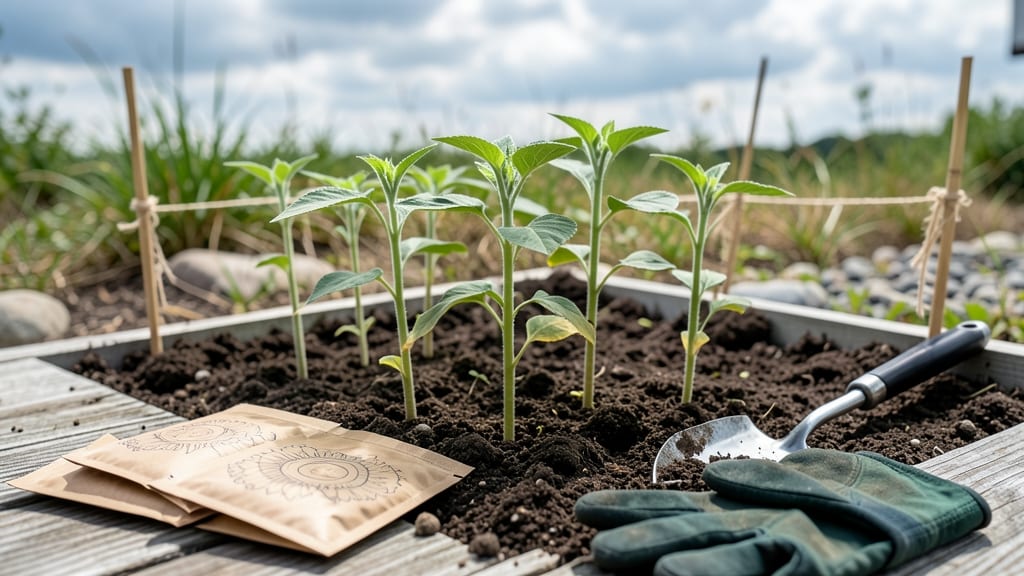
Planting sunflowers in Ohio at the wrong time means watching frost nip your 🌻 blooms before they even open. The key to vibrant summer flowers lies in timing—miss the window, and you’ll end up with leggy, weak stems or no flowers at all.
Ohio’s USDA Zones 5-6 offer a 6-week window from mid-April to mid-June, but not all dates are equal. Direct-sowing after the last frost (around April 15) gives sunflowers the warm soil they crave, while starting seeds indoors in late March can give you an edge.
Whether you’re growing dwarf varieties for containers or towering giants for cut flowers, the right timing ensures your sunflowers reach their full potential. I’ll break down the exact dates, soil temperature tips, and late-planting tricks to guarantee blooms that last from July to October.
Ready to avoid frost damage and grow sunflowers that turn heads? Let’s dive into the perfect planting schedule for Ohio’s climate—so you can enjoy those cheerful faces all summer long.
Ohio sunflower planting calendar: exact dates by USDA Zone (5 & 6
Sunflowers (Helianthus annuus) thrive in Ohio’s USDA Zones 5-6, but timing is everything. In Zone 5, the last average frost date is April 15, while Zone 6 sees it around April 22.
Plant too early, and frost will kill tender seedlings. Too late, and your blooms won’t mature before fall’s first frost (October 15). Here’s your precise planting schedule to maximize those iconic golden blooms.
For direct sowing, wait until the soil reaches 55°F—typically mid-April to early May in Zone 5 and late April to early May in Zone 6. If you’re starting seeds indoors for a head start, begin 4-6 weeks before your last frost date.
This means March 1-15 for Zone 5 and March 15-April 1 for Zone 6. Transplant seedlings outdoors 2-3 weeks after your last frost date.
Soil temperature is your best guide—use a soil thermometer to confirm it’s warm enough. Sunflowers germinate best in 60-85°F soil. In Ohio’s cooler springs, black plastic mulch can warm the soil by 5-10°F, giving you an earlier start. For direct-sown seeds, aim for April 20-May 10 in Zone 5 and April 25-May 15 in Zone 6. Late plantings can still work if you choose fast-maturing varieties (under 80 days to bloom).
🌱
| Zone | Last Frost Date | Ideal Planting Window | Soil Temp Requirement | Late Planting Deadline |
|---|---|---|---|---|
| Zone 5 | April 15 | April 20 - May 10 | 55°F+ (60-85°F ideal) | June 1 (fast varieties only) |
| Zone 6 | April 22 | April 25 - May 15 | 55°F+ (60-85°F ideal) | June 15 (fast varieties only) |
| Indoor Start (Both Zones) | N/A | March 1 - April 1 | 70°F+ (indoor heat mat) | Transplant by May 10 |
If you’re starting seeds indoors, use biodegradable pots to avoid root disturbance when transplanting. Harden off seedlings for 7-10 days before moving them outside. Place them in a protected spot (like a cold frame) for the first few nights to shield them from unpredictable Ohio frosts.
For direct sowing, scatter seeds 1 inch deep and 6 inches apart in rows 18-24 inches apart. Thin seedlings to 12-18 inches apart once they’re 3-4 inches tall.
Ohio’s summer heat can be intense, so plan to water deeply 1-2 times per week once established. Young plants need consistent moisture to prevent bolting (rapid stem elongation). Mulch around the base with straw or grass clippings to retain moisture and suppress weeds.
This is especially critical in Zone 5, where drought stress can stunt growth. In Zone 6, you’ve got a slightly longer window to enjoy those towering 10-14 foot giants before fall arrives.
For a second planting, sow dwarf varieties (like ‘Teddy Bear’) in late June—they’ll bloom in 50-60 days and add late-summer color. Just be sure to harvest seeds before October’s frost if you want to save them for next year.
Sunflowers are annuals, but their seeds can self-sow if left on the stalk, giving you a surprise garden next spring!
Pro tip: Mark your calendar for July 4th weekend—it’s the perfect time to plant ‘Autumn Beauty’ or ‘Moulin Rouge’ for fall blooms. These varieties handle cooler temps better and add vibrant reds and burgundies to your late-season garden.
Just remember: no frost protection is needed after June 1 in Zone 6, but Zone 5 gardeners should keep an eye on the weather forecast for late surprises.
🌻
How to avoid frost damage: sunflower hardiness and late-planting tips
Sunflowers (Helianthus annuus) are frost-sensitive and can’t tolerate temperatures below 32°F. Even a light frost after germination will stunt growth, while mature plants can handle 28°F for short periods. Ohio’s USDA Zones 5-6 mean frost can linger until mid-April, making timing critical for avoiding damage.
If you miss the ideal April 15–May 15 window, don’t despair—sunflowers are resilient with the right strategies. Extending the growing season with black plastic mulch or row covers can push your planting window to early June while still yielding blooms by summer’s end.
Here’s the key: soil temperature matters more than air temperature. Sunflower seeds need 55°F+ soil to germinate, which Ohio typically hits by mid-April. Use a soil thermometer to confirm—planting too early in cold soil leads to rot.
⚠️ Late Planting Warning: Ohio’s Frost Risk Zones
Ohio’s microclimates vary dramatically. Northern zones (e.g., Toledo) face frost until May 10, while southern areas (e.g., Cincinnati) may be frost-free by April 1. Use this rule: Plant after 3 consecutive days above 50°F—check NOAA’s frost maps for your county.
Pro Tip: If frost hits after germination, cover seedlings with frost cloth until danger passes. Remove during the day to prevent overheating.
For late starts, try these tricks: Black plastic mulch warms soil by 5–10°F and suppresses weeds. Lay it down 2 weeks before planting to jumpstart germination. Row covers (floating fabric) also shield young plants from light frosts while allowing sunlight through.
Choose fast-maturing varieties like ‘Autumn Beauty’ (55 days) or ‘Moulin Rouge’ (60 days) for late plantings. These dwarf types bloom quicker than giants, giving you a better chance of pre-frost harvests. Pair them with drought-tolerant soil to reduce stress.
Even with these strategies, late-June plantings may only yield small blooms. Balance your bets by starting a few seeds indoors in March—transplant hardened-off seedlings after the last frost for a head start. With the right timing and tools, Ohio’s sunflowers can thrive even in unpredictable springs.