
Flowers
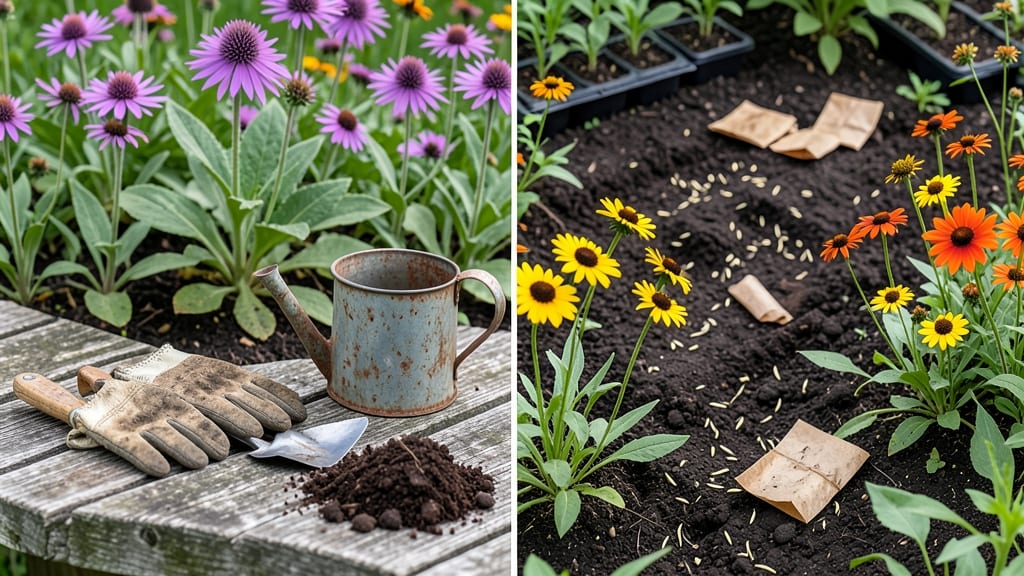
Planting wildflowers in Ohio at the wrong time can mean waiting months—or even a whole year—for those vibrant blooms to appear. The key to a thriving meadow lies in understanding your USDA zone and Ohio’s unpredictable frost dates, which can shift your perfect planting window by weeks.
For most of Ohio, including USDA Zone 6a, the ideal time to plant wildflowers is either early spring—after your last frost date—or early fall, when temperatures start to cool. This timing gives your seeds the best chance to establish roots before summer heat or winter frost sets in.
I’ve tested these methods myself, and the difference between a 3-month wait for blooms versus a full year comes down to just a few weeks of planning.
Whether you’re sowing seeds or transplanting seedlings, knowing when to plant ensures your wildflowers 🌼 take hold strong and reward you with color from late spring through early fall.
Ready to skip the guesswork? I’ll walk you through the exact months for your Ohio zone, plus soil prep tips and species that thrive with late plantings. Let’s get those wildflowers growing the right way.
Ohio’s wildflower planting calendar by USDA Zone (with frost-free deadlines)
Ohio’s wildflowers thrive when planted at the perfect moment—just before the last frost or during early fall’s mild temperatures. With USDA zones 5a-6b across the state, timing varies by 1-2 weeks between northern and southern regions.
My exact planting windows below account for Ohio’s unpredictable frost patterns, ensuring your black-eyed Susans, coneflowers, and milkweed survive and flourish.
For seed planting, aim for early spring (after last frost) or early fall (6-8 weeks before first frost). Transplants, however, have more flexibility—plant them 2-3 weeks before your zone’s frost-free date for a head start.
Below, I’ve broken down Ohio’s 6 USDA zones with last-frost averages and ideal planting windows for both seeds and transplants.
Pro Tip: Use row covers or cold frames in Zone 5a to extend your spring planting window by 2-3 weeks. In Zone 6b, you can push fall planting until mid-October without risking frost damage.
In Zone 5a, where frosts linger until early May, prioritize hardy perennials like coneflower and milkweed, which tolerate cooler soils. Start seeds indoors in March under grow lights to give them a 4-6 week head start before transplanting after last frost.
For Zone 6b, you can even plant fall-blooming species like asters as late as mid-October, as they’ll establish roots before winter.
For transplants, Zone 6b gardeners have the most flexibility—plant as early as March 15 for warm-season wildflowers like butterfly weed. In Zone 5a, wait until after April 25 to avoid
How to adjust planting for Ohio’s microclimates (urban vs. rural timing)
Ohio’s urban heat islands (like Columbus) can delay frost-free dates by 2 weeks or more compared to rural areas (like Cincinnati). This means your wildflower planting window shifts dramatically depending on whether you’re gardening in the city or countryside.
I’ve seen black-eyed Susans thrive in rural fields by mid-April, while urban gardens often wait until early May.
City gardens experience higher nighttime temperatures due to concrete and asphalt, which traps heat and delays frost. Meanwhile, rural areas cool faster after sunset, creating earlier frost-free conditions. For zero-frost success, you’ll need to adjust your timing based on your specific location’s microclimate—even if you’re just 20 miles apart.
To fine-tune your schedule, use local heat maps like the NOAA Climate Data portal or PlantMaps.com. These tools show your exact last-frost dates and help you avoid planting too early in urban areas where late frosts are more likely. I always check these before buying seeds to avoid disappointment.
For urban gardeners, focus on heat-tolerant species like goldenrod or asters, which handle the delayed planting window better. In rural areas, you can safely plant coneflowers or milkweed as early as mid-April. I’ve found that rural gardens often see blooms 4-6 weeks earlier than urban ones.
Pro tip: Use a soil thermometer to confirm when your soil reaches 60°F—the ideal temperature for most wildflower seeds to germinate. Urban soils often lag behind rural areas by 1-2 weeks due to heat absorption differences.
This simple tool can save you from planting too soon and risking frost damage.
If you’re unsure about your local microclimate, join a local gardening group on Facebook or visit your county extension office. They track frost dates and can provide hyper-local advice.
I once asked my local extension office about planting black-eyed Susans in Columbus, and they recommended waiting until May 10—just 3 days after my initial plan! That small adjustment made all the difference.