
Flowers
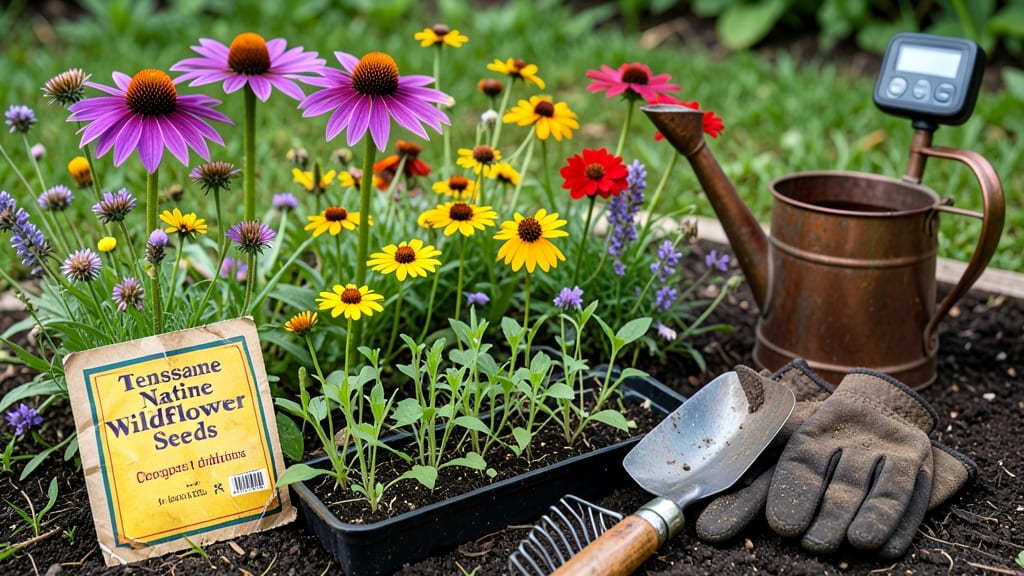
Planting wildflowers in Tennessee at the wrong time can mean the difference between a vibrant meadow bursting with color and a patch of brown dirt—even with the best seeds.
The 6a-8a zones across the state offer perfect conditions, but knowing when to sow those seeds is the key to unlocking nature’s best show.
Most gardeners assume spring is the only window, but fall planting—especially in September or October—gives wildflowers a head start, letting them establish roots before winter.
Meanwhile, late spring (March–May) is ideal for summer blooms, but timing varies by region: Nashville’s last frost hits around March 15, while Memphis warms up a week earlier.
What if you miss the traditional windows? Don’t worry—I’ll show you how to adjust for drought-resistant species or high-altitude areas where frost lingers longer. Whether you’re a first-time planter or a seasoned pro, these zone-specific tips will help you maximize blooms and turn your Tennessee landscape into a pollinator paradise.
Ready to dive in? Let’s break down the exact months, soil prep tricks, and post-planting care to ensure your wildflowers thrive—no matter where you are in the state.
Best planting months for Tennessee wildflowers by USDA Zone
Tennessee’s USDA zones 6a through 8a offer perfect conditions for wildflowers, but the right planting window depends on your specific zone and whether you’re sowing annuals or perennials. In Zone 6a (eastern highlands), frost lingers longer, while Zone 8a (west Tennessee) enjoys milder winters.
Even a two-week difference can mean the difference between vibrant blooms and stunted growth.
Most gardeners plant wildflowers in early spring (March–May) or fall (September–October), but drought-resistant varieties like black-eyed Susans or coneflowers can handle late summer sowing. Let’s break down the ideal planting months for each zone, including frost dates and soil temperature tips to ensure success.
| USDA Zone | Best Planting Window | Last Frost Date | Ideal Soil Temp | Bloom Cycle |
|---|---|---|---|---|
| 6a (East TN) | April–May (spring) or September (fall) | Mid-April | 50–60°F | June–October |
| 7a (Middle TN) | March–April (spring) or September–October (fall) | Mid-March | 55–65°F | May–November |
| 7b (Central TN) | February–March (spring) or August–September (fall) | Late February | 60–70°F | April–December |
| 8a (West TN) | January–February (spring) or September–October (fall) | Late January | 65–75°F | March–November |
In Zone 6a, where frosts can linger until mid-April, wait until soil temperatures reach at least 50°F before planting. Annual wildflowers like cosmos and zinnia thrive when sown after the last frost, while perennials such as purple coneflower benefit from an early fall planting to establish roots before winter.
For Zone 7a and 7b, you’ve got more flexibility. Spring planting in March–April works well for most varieties, but fall planting in September–October gives seeds time to germinate before winter dormancy. Black-eyed Susans and butterfly milkweed are excellent choices for these zones, as they tolerate Tennessee’s humid summers and mild winters.
Gardeners in Zone 8a (think Memphis or Jackson) can plant as early as January for a longer bloom season.
However, avoid planting too early—soil should be at least 60°F to prevent seed rot. Late summer planting (August) is also ideal for drought-resistant species like Mexican sunflower or blanket flower, which thrive in West Tennessee’s hot, dry conditions.
One pro tip: If you’re planting wildflower plugs instead of seeds, shift your timeline 2–3 weeks earlier—they establish faster.
For seed mixes, lightly rake soil to 1/4-inch depth and water gently to avoid washing seeds away. Mulch lightly after planting to retain moisture, especially in Zone 6a’s cooler climate.
Remember, fall planting is often underrated but crucial for perennial wildflowers. Seeds sown in September–October germinate in spring, giving plants a head start before summer’s heat. This method also reduces weed competition and attracts early-season pollinators like bumblebees.
For drought-prone areas, consider late summer planting (July–August) for species like goldenrod or
How to choose wildflower seed mixes for Tennessee’s climate
Tennessee’s humid subtropical and humid continental climates mean your wildflower choices should balance heat tolerance, rainfall resilience, and pollinator appeal. The wrong mix can lead to sparse blooms or plants that struggle with our 40–60 inches of annual rain.
Whether you’re aiming for a low-maintenance meadow or a deer-resistant border, selecting the right seed blend is your first step to success.
Native wildflowers like black-eyed Susan and purple coneflower thrive in Tennessee’s conditions, while ornamental mixes (e.g., cosmos or zinnia) offer bold colors but may require more water.
Below, I’ll break down the top 5 seed blends—ranked by climate suitability—and highlight their pros and cons to help you decide what’s best for your garden.
Native Tennessee Wildflower Mixes
- Drought-resistant (thrives on TN rainfall)
- Supports native pollinators (bees, butterflies)
- Deer-resistant varieties included
- Slower to establish (60+ days to bloom)
- Limited color variety (mostly purples, yellows)
- May self-seed aggressively
Ornamental Wildflower Mixes
- Vibrant colors (reds, pinks, oranges)
- Faster blooms (45–60 days)
- Cut flower-friendly varieties
- Requires more water in heat
- Attracts deer and rabbits
- Annuals may need replanting yearly
For full-sun gardens (6+ hours of sunlight), opt for mixes like Eastern Native Wildflower (e.g., American beautyberry and butterfly milkweed), which handle Tennessee’s hot summers with ease.
These blends also include milkweed, critical for monarch butterflies migrating through the state. Check out trusted suppliers like American Meadows or Seed Savers Exchange for region-specific options.
If your space gets partial shade (3–4 hours of sun), prioritize woodland wildflowers like wild columbine or trillium. These shade-tolerant varieties pair well with fern mixes for a lush, low-light garden. Just avoid heavy clay soils—amend with compost to improve drainage, especially in West Tennessee’s wetter zones.
Deer pressure? Mix in lobelia or foxglove (though foxglove is toxic to pets). For pollinator powerhouses, add bee balm or goldenrod—both thrive in Tennessee’s humidity and attract hundreds of bee species.
Pro tip: Pre-treat seeds with a fungicide to prevent powdery mildew, common in our damp springs.
Ready to plant? Start with a small test patch (10x10 feet) to gauge which mix thrives in your microclimate. Most blends ship in fall for spring planting or spring for summer blooms, but you can find dormant-season mixes for year-round sowing. Happy planting—your Tennessee meadow awaits! 🌼