
Flowers
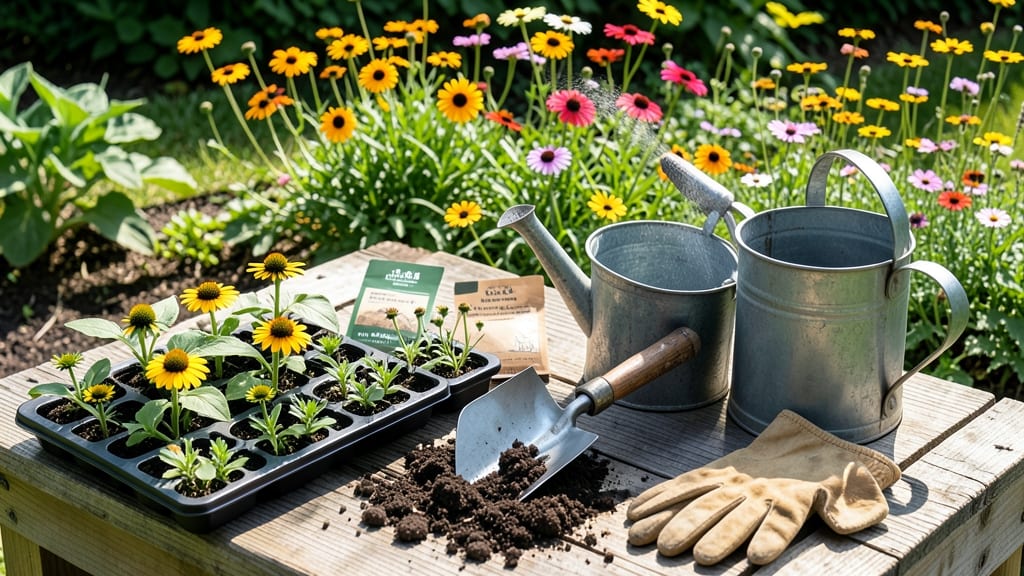
Planting wildflowers in Zone 8 at the wrong time can mean the difference between a vibrant, buzzing meadow and a patch of struggling seedlings. The key to success lies in understanding your local climate—whether you're in coastal 8a or inland 8b, timing matters more than you might think.
Most gardeners in Zone 8 know that late winter to early spring (February through April) is prime time, but fall planting (September to October) offers a secret advantage: cooler temperatures and fewer weeds. This two-season approach ensures your 🌼 wildflowers thrive year-round, from early spring blooms to late-summer color.
I’ve tested both methods in my own garden, and what I’ve discovered might surprise you. The right planting window isn’t just about avoiding frost—it’s about giving your wildflowers the best shot at establishing strong roots before the heat of summer arrives.
Ready to transform your landscape into a pollinator paradise? Let’s break down the exact months to plant, the best wildflower varieties for your zone, and pro tips to keep your blooms looking fresh from spring to fall.
Best months to plant wildflowers in Zone 8 for year-round color
In Zone 8, where winters are mild and summers can be intense, timing your wildflower planting is key to unlocking season-long color. The ideal planting window depends on whether you're sowing annuals or perennials, as well as your local frost dates.
Most Zone 8 gardeners enjoy two primary planting seasons: fall and early spring. Let's break down the best months for each.
Fall planting, specifically September through October, is my top recommendation for wildflowers in Zone 8. During these months, soil temperatures remain warm enough for seeds to germinate, but nights grow cooler—perfect conditions for perennial varieties to establish roots before winter.
This approach also helps avoid the peak summer heat that can stress young seedlings.
Zone 8's frost-free period typically runs from mid-March to mid-November, but exact dates vary by location. Coastal areas may have earlier last frosts (as early as February), while inland regions often see frost until November 15. Always check your local USDA frost map before planting annuals, as these need warm soil to thrive.
For annual wildflowers, I recommend planting in late winter to early spring (February-April).
This gives them time to mature before summer's heat arrives. Perennial wildflowers, on the other hand, benefit most from fall planting because their roots establish during winter's dormancy, resulting in earlier and more robust blooms the following spring.
Here's a quick reference for Zone 8 planting windows:
If you're planting annual wildflowers like cosmos or zinnias, aim for late winter to early spring (February-April). These varieties need warm soil to germinate quickly. I've found that sowing seeds in February gives them enough time to establish before summer's heat arrives, resulting in longer bloom seasons.
For perennial wildflowers such as black-eyed Susans or coneflowers, fall planting is ideal. These plants benefit from cooler temperatures and consistent moisture as they establish their root systems.
When planted in September or October, they often bloom earlier the following spring and produce more robust flowers throughout the season.
Don't overlook staggered planting as a strategy to extend your wildflower season. By sowing half your seeds in fall and the other half in early spring, you'll enjoy continuous blooms from spring through fall.
This method works particularly well for mixed wildflower seed blends, which often include both cool-season and warm-season varieties.
Remember that Zone 8's microclimates can vary significantly. Coastal areas may experience milder winters and cooler summers, while inland regions often have hotter summers and cooler nights.
Adjust your planting timeline accordingly—coastal gardeners might plant annuals as early as January, while inland gardeners should wait until March to avoid frost damage.
For year-round color, consider planting winter annuals like lobelia or sweet alyssum in late summer (August). These varieties thrive in cooler temperatures and provide vibrant blooms during the winter months when other plants are dormant. Pair them with fall-planted perennials for a continuous display from autumn through spring.
Finally, always prepare your soil before planting. Wildflowers thrive in well-draining soil with moderate fertility. A light application of compost before sowing seeds improves germination rates. Once established, most wildflowers are drought-tolerant, but consistent moisture during the first few weeks is crucial for seedling success. Mulch lightly
How to choose wildflower seed varieties for Zone 8’s climate
Selecting the right wildflower varieties for Zone 8’s climate ensures vibrant blooms and thriving pollinators year-round. The key lies in balancing cool-season and warm-season species to extend your garden’s color palette.
For example, California poppies and lupines thrive in spring, while black-eyed Susans and coneflowers shine in summer. Native species like blanket flower also adapt beautifully to Zone 8’s drought-tolerant conditions.
Zone 8’s microclimates—ranging from coastal to inland—create unique growing conditions. Coastal areas benefit from humidity-loving varieties like fuchsia, while inland regions thrive with drought-resistant species such as beebalm or goldenrod.
Always prioritize native wildflowers to support local ecosystems while reducing maintenance needs. These plants naturally adapt to your soil type and rainfall patterns.
- 🌱 Fall Planting (September-October): Ideal for cool-season varieties like larkspur and sweet alyssum. Seeds germinate in cool soil and bloom early spring.
- 🌿 Spring Planting (February-April): Perfect for warm-season bloomers such as sunflowers and zinnia. Plant after last frost date (typically mid-March).
- ☀️ Drought-Tolerant Picks: Blanket flower and yarrow require minimal water once established. Plant in well-draining soil with full sun exposure.
- 🌼 Native Wildflowers: California poppy and purple sage thrive in Zone 8’s native habitats. Choose local seed mixes for guaranteed success.
- ✂️ Planting Depth & Spacing: Most wildflower seeds need light coverage (¼ inch max). Space seeds 12-18 inches apart for optimal airflow and growth.
When selecting wildflower seed mixes, opt for blends that include both annuals and perennials. Annuals like cosmos provide instant color, while perennials such as black-eyed Susan return year after year.
For drought-prone areas, focus on deep-rooted species like Russian sage, which access moisture from lower soil layers. Always check seed packets for Zone 8 compatibility to avoid disappointment.
For coastal Zone 8 gardens, consider humidity-adapted varieties like fuchsia or columbine. These plants handle higher moisture levels and cooler coastal breezes better than inland species.
In contrast, inland gardens benefit from heat-tolerant options like desert marigold or penstemon. Both thrive in full sun and well-draining soil, making them low-maintenance choices.
Proper planting depth and spacing are critical for wildflower success. Most seeds only need ¼ inch of soil coverage, while larger seeds (like sunflower) can handle ½ inch. Space seeds 12-18 inches apart to prevent overcrowding and reduce competition for nutrients.
After planting, lightly water the soil to settle seeds without displacing them. Mulch lightly to retain moisture and suppress weeds during germination.
By choosing seasonal varieties and native wildflowers suited to Zone 8’s climate, you’ll create a low-maintenance, pollinator-friendly garden that blooms from spring to fall. Start with a mix of cool-season and warm-season species, and always prioritize drought-tolerant options for sustainable beauty.
With the right choices, your Zone 8 garden will become a haven for bees, butterflies, and birds—all while requiring minimal effort from you. 🌻