
Planting
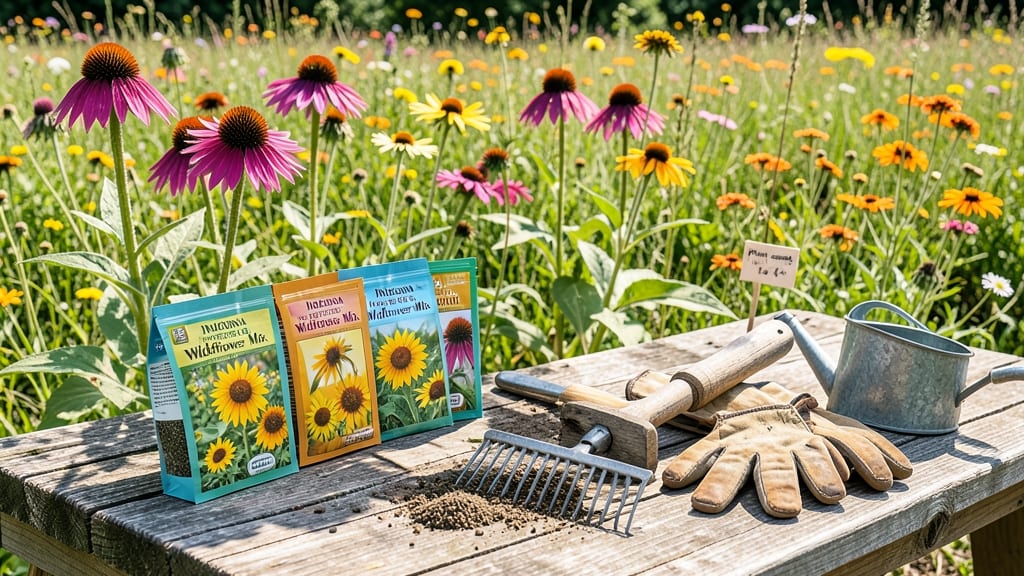
Planting wildflower seeds in Indiana at the wrong time can mean fewer blooms and more frustration—but there’s a best window that sets your meadow up for success. Whether you’re in USDA Zone 5 or 6, timing matters more than you might think, especially when comparing spring and fall planting.
I’ve tested both methods, and the results might surprise you.
Spring planting (March-April) gives you vibrant blooms early, but fall (August-September) often delivers stronger roots and longer-lasting flowers. The key is avoiding frost dates—mid-April for spring, mid-October for fall—and preparing soil just right. Let’s break down the exact steps to maximize your wildflower success.
You don’t need fancy equipment or years of experience—just a few simple tricks. From scattering seeds lightly to choosing the right native mixes, I’ll walk you through what works best in Indiana’s climate. Ready to transform your yard into a pollinator paradise? Let’s get started.
Wildflowers like 🌼 aren’t just pretty—they’re hardy, low-maintenance, and perfect for attracting bees and butterflies. Whether you’re a beginner or a seasoned gardener, these tips will help you plant with confidence. The best time to plant is now—just follow the guide!

Indiana’s ideal wildflower planting windows: spring vs fall compared by USDA Zone
Deciding when to plant wildflower seeds in Indiana can feel overwhelming, but the USDA Zones 5 and 6 create clear windows for success. Both spring and fall offer valid planting times, but each comes with unique advantages—and risks.
Let’s break down the ideal timing, soil conditions, and frost considerations for Indiana gardeners to maximize germination and blooms.
Fall planting often outperforms spring for perennial wildflowers because cooler temperatures reduce weed competition and give seeds time to establish roots before winter. Meanwhile, spring planting works better for annual wildflowers that need quick germination to outpace weeds.
Understanding these differences helps you choose the best strategy for your meadow or garden plot.
Soil temperature is the critical factor separating spring and fall success. For spring planting, aim for soil temps above 40°F—typically after Indiana’s last frost date (mid-April). In fall, plant when soil temps drop to 60-70°F, usually between late August and early October.
Here’s a direct comparison of planting windows, frost risks, and establishment periods for Indiana’s USDA Zones 5 and 6:
| Factor | Spring Planting (Zone 5/6) | Fall Planting (Zone 5/6) |
|---|---|---|
| Best Time | Late March–early April (after last frost) | Late August–early October (before first frost) |
| Soil Temp Threshold | Above 40°F | 60–70°F |
| Frost Risk | Low (post-last frost) | High (plant 4–6 weeks before first frost) |
| Establishment Period | 6–8 weeks (before summer heat) | 8–10 weeks (before winter dormancy) |
| Best For | Annual wildflowers (fast blooms) | Perennial wildflowers (long-term meadows) |
| Weed Competition | High (weeds germinate early) | Low (cooler temps slow weeds) |
Spring planting in Indiana works best for annual wildflowers like black-eyed Susans and cosmos, which germinate quickly and bloom within 60–90 days. The challenge? Weeds often outcompete wildflower seeds if planted too early.
To succeed, prepare the soil in late winter by removing debris and loosening the top inch. Once soil warms, scatter seeds lightly and press them into the soil—no need to bury them deeply.
Fall planting, however, is ideal for perennial wildflowers such as coneflowers and bee balm. These plants benefit from a longer establishment period before winter dormancy. In Indiana’s Zone 6, aim to plant by mid-October to allow roots to develop before the first frost.
For Zone 5, push planting to early October to avoid early freezes.
One common mistake is planting too late in fall, which leaves seeds vulnerable to soil heaving during freeze-thaw cycles. To prevent this, choose native wildflower seeds adapted to Indiana’s climate—they’re hardier and more resilient. Additionally, mulch lightly with straw or leaves after planting to insulate seeds and retain moisture.
If you’re torn between spring and fall, consider your goals: Instant color? Spring planting wins. Long-term meadows? Fall planting is superior. For Zone 6 gardeners, fall offers a 6-week buffer before frost, while Zone 5 gardeners should plant by September 15th to ensure success.
Pro tip: Test your soil’s moisture before planting. In spring, aim for damp but not soggy soil; in fall, seeds need consistent moisture to germinate before winter. Water lightly after planting, then let nature take over—Indiana’s rainfall often does the rest.
🌼
5 Critical factors that determine your planting success in Indiana
When planting wildflower seeds in Indiana, soil moisture is your #1 ally. Seeds need consistent dampness to germinate—think of it like giving them a drink of water every day until they sprout. I’ve seen seeds fail when planted during dry spells, even if the timing was perfect.
Use a moisture meter or the "squeeze test" (grab a handful of soil; if it crumbles, it’s too dry). Aim for 1-2 inches of soil moisture at planting time.
Weed competition can make or break your wildflower meadow. Before scattering seeds, clear the area of existing weeds—especially crabgrass and dandelions, which steal nutrients. I recommend a pre-emergent herbicide in early spring or hand-pulling weeds after planting.
Mulch lightly with straw to suppress weeds without smothering your delicate seedlings. This step alone can double your germination rates.
Choosing between native vs commercial seeds depends on your goals. Native wildflower mixes (like Indiana’s prairie blends) thrive with minimal care and attract local pollinators. Commercial mixes might offer more color variety but often require extra water.
For example, black-eyed Susans and coneflowers are native powerhouses that handle Indiana’s humidity better than exotic varieties. Always check seed labels for Indiana-friendly species.
Soil Moisture
Keep top 1-2 inches consistently damp. Use a moisture meter or "squeeze test" to check. Avoid planting during droughts—seeds need hydration to germinate.
Weed Control
Clear weeds before planting. Use pre-emergent herbicide in spring or hand-pull after seeding. Mulch with straw to suppress weeds without harming seedlings.
Seed Type
Choose native Indiana mixes for low-maintenance success. Commercial blends may need more water. Prioritize black-eyed Susans and coneflowers for resilience.
Microclimates
South-facing slopes warm faster—ideal for early spring planting. North-facing areas stay cooler; opt for fall planting to avoid frost. Test your spot’s sun exposure for 24 hours.
Post-Planting Care
Water lightly daily for 2 weeks, then reduce to 2x/week. Avoid fertilizers—wildflowers thrive in lean soil. Mow high (3-4 inches) once blooms fade to encourage regrowth.
Indiana’s microclimates play a huge role in success. A south-facing slope warms up faster in spring, making it perfect for early planting (March-April). But if your yard is north-facing or shaded, fall planting (August-September) gives seeds time to establish before winter.
I once planted 🌼 seeds in a shady spot in April—only 10% germinated. The same seeds planted in September? Over 80% sprouted. Always test your spot’s sun exposure for 24 hours before committing.
Post-planting care is often overlooked but critical. Water lightly every day for the first 2 weeks to keep soil moist, then taper to 2 times per week. Avoid fertilizers—wildflowers prefer lean soil. Once blooms fade, mow high (3-4 inches) to encourage regrowth.
I’ve seen meadows thrive for years with just this simple routine. The key is consistency; don’t let your seeds dry out during establishment.
By focusing on these 5 factors—soil moisture, weed control, seed type, microclimates, and post-planting care—you’ll turn your Indiana yard into a vibrant wildflower haven. Start with native seeds, prep your soil, and time your planting right. Your pollinators will thank you! 🌿