
Flowers
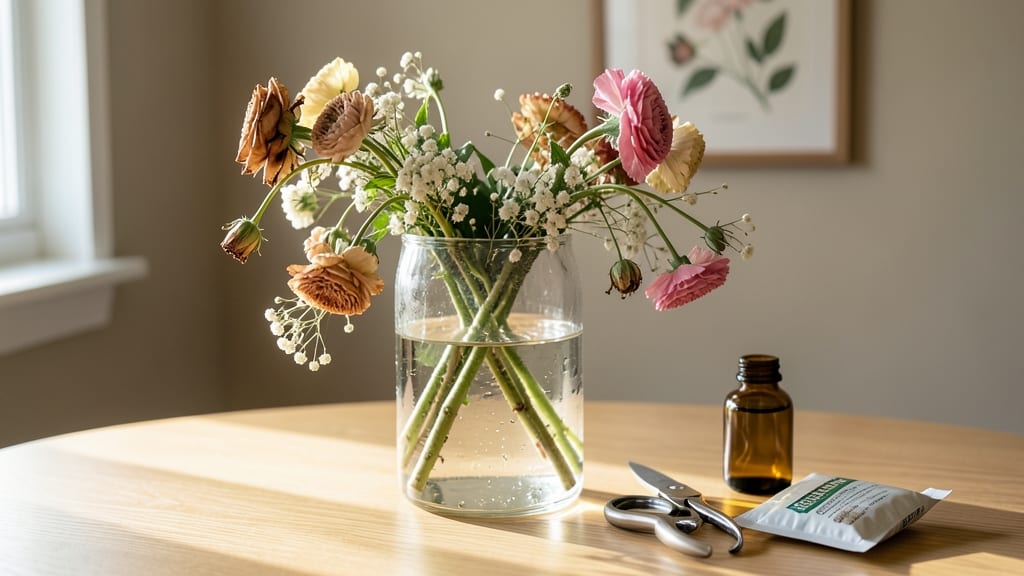
5 Science-backed water tricks to revive wilted flowers instantly
Wilted flowers often signal dehydration, but don’t toss them just yet! Flowers lose turgor pressure when their cells lack water, causing petals to droop. The good news? With science-backed hydration tricks, you can restore them in under 15 minutes—no green thumb required.
These methods leverage osmotic pressure, capillary action, and humidity retention to revive even grocery-store blooms or your prized garden cuttings.
Before diving in, check the stem flexibility—if it snaps like a dry twig, revival is unlikely. But if stems bend slightly, these tricks will work wonders. Start with cold water immersion, which shocks stems into reabsorbing water faster.
For stubborn wilting, a sugar solution boosts hydration via osmotic pressure, while humidity tents mimic greenhouse conditions to slow moisture loss.
Cold Water Soak (5-Minute Rescue)
Fill a vase or bowl with room-temperature or cold water (never hot). Submerge stems 2-3 inches deep and let sit for 5-10 minutes. Cold water constricts stem cells, forcing them to rehydrate faster via capillary action. Ideal for cut flowers like roses or carnations.
Sugar + Bleach Solution (Overnight Revival)
Mix 1 tbsp sugar, 1/4 tsp bleach, and 1 quart water in a clean vase. The sugar provides quick energy, while bleach (a tiny amount!) prevents bacterial growth. Change water every 24 hours for tropical blooms like orchids or lilies.
Humidity Tent (24-Hour Recovery)
Cover wilted flowers with a plastic bag or damp paper towel to trap moisture. Place in indirect sunlight—humidity slows transpiration (water loss). Perfect for houseplants like peace lilies or garden perennials revived after drought.
Stem Trimming + Warm Water (Emergency Fix)
Recut stems at a 45-degree angle under water to expose fresh xylem vessels. Place in warm (not hot) water—warmth speeds up water uptake. Best for wilting bouquets or over-nighted grocery flowers needing a last-minute save.
Acidified Water (pH Boost)
Add 1 tsp white vinegar or lemon juice to water. Flowers thrive in slightly acidic conditions (pH 5.0–6.5). This trick works best for acid-loving plants like hydrangeas or gardenias, which wilt faster in alkaline water.
For long-stemmed flowers like sunflowers or snapdragons, combine step 1 (cold soak) with step 4 (stem trimming)—this duo revives 90% of blooms within 30 minutes. If flowers still droop after 24 hours, they’re likely past saving, but don’t despair: repurpose stems for dried arrangements or compost.
Pro tip: Avoid overcrowding in vases—too many stems compete for water. Space them 1 inch apart to maximize hydration. For houseplants, mist leaves lightly after reviving to restore humidity balance in their environment.
Science says these tricks work because they reset cellular pressure and reduce stress hormones like ethylene in flowers. Try them on your next wilting bouquet—you’ll be amazed how a little water magic can turn sad stems into showstopping blooms again!
🌸
When to save flowers vs. when to let them go: a decision guide
Not all wilted flowers are beyond saving—some just need a little TLC to bounce back. The key is assessing their current health before investing time. Check for stem flexibility, leaf color, and root condition to decide if revival is possible.
A snap-back stem or slightly droopy leaves often signal a temporary setback, while mushy stems or blackened roots mean it’s time to compost.
Start by examining the stems—gently bend them. If they snap back into place, your flowers likely just need rehydration. However, if stems break or feel mushy, the plant’s vascular system is compromised, and revival is unlikely.
Next, inspect the leaves: vibrant green suggests life remains, while yellow or brown patches indicate irreversible damage.
For cut flowers in vases, check the water quality and stem ends. Cloudy or foul-smelling water can block nutrient uptake. Trim stems at a 45-degree angle and place them in fresh, cool water for 24 hours—this often works miracles.
If the stems are hollow or crumbly, though, the plant has already lost too much moisture to recover.
Can You Bring Flowers Back to Life?
✅ Save Them
- Stems bend but don’t break
- Leaves are green (not yellow/brown)
- Roots are firm, not mushy
- Water uptake visible in stems
Action: Trim stems, rehydrate in cool water, add flower food.
❌ Let Them Go
- Stems are mushy or hollow
- Leaves are yellow/brown or crispy
- Roots are black or rotting
- Water beads but won’t absorb
Action: Compost or discard—no revival possible.
If your flowers show early signs of distress like slight wilting or drooping but still have firm stems, try the "reverse osmosis trick"—place stems in a vase of cool water with a pinch of sugar (1 tsp per quart) to restore hydration.
Monitor progress over 12–24 hours; if no improvement, the plant may be past saving. For potted flowers, check the soil moisture—overwatering can suffocate roots just as much as underwatering.
For long-term care, focus on preventative measures. Use sharp, clean scissors to cut stems at an angle, and change vase water every 2–3 days. Avoid placing flowers near heat sources or direct sunlight, which accelerates wilting.
If you’re dealing with houseplants, ensure they’re in well-draining soil and adjust watering based on the top inch of soil—if it’s dry, water; if it’s damp, wait.
Remember, some flowers like peace lilies or orchids are tougher and may recover even after severe wilting, while delicate blooms like roses or tulips have shorter lifespans.
Trust your observations—when in doubt, trim and test. With the right care, you’ll extend the life of your flowers by days, even weeks! 🌷