
Light Requirements
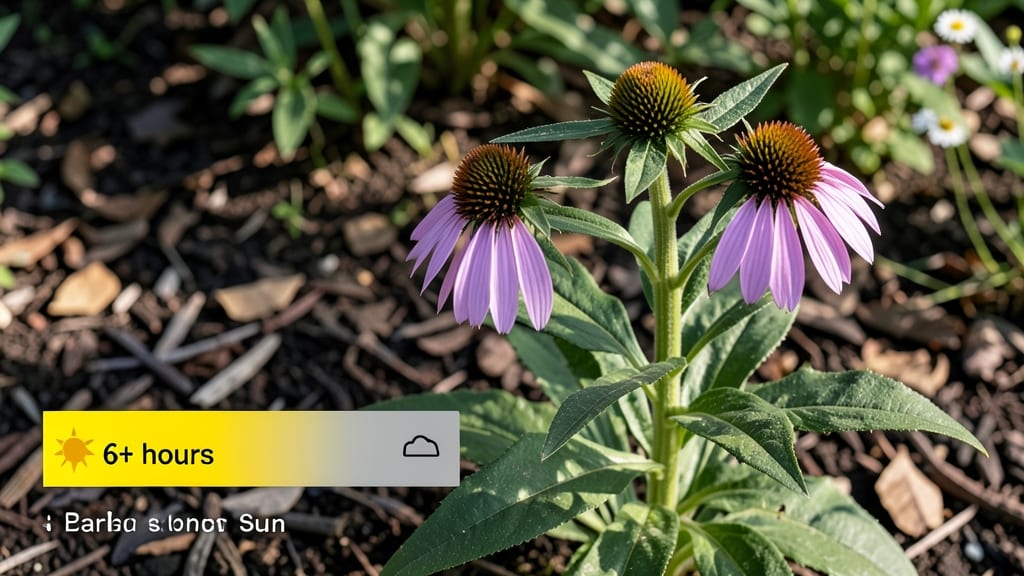
Want your coneflowers to thrive with the perfect light requirements for vibrant blooms? The key often lies in understanding how much sun or shade they need—too much or too little can leave them struggling to reach their full potential.
Coneflowers 🌱 love basking in sunlight, but they’re not one-size-fits-all. Whether you’re in a hot, dry climate or a cooler region, getting the balance right makes all the difference.
Too little light and you’ll end up with leggy stems and sparse flowers; too much, and they might wilt under the heat.
I’ve tested different light setups over the years, and what I’ve learned will help you position your coneflowers for peak performance. From full sun spots to partial shade gardens, I’ll break down the best conditions for lush growth and stunning blooms.
Ready to transform your garden? Let’s dive into the secrets of coneflower light so you can enjoy those show-stopping flowers all season long.
 Best Window Placement
Ideal sunlight conditions for coneflower blooms: full sun vs. partial shade breakdown
Coneflowers (Echinacea) are prized for their vibrant blooms and drought tolerance, but their light requirements can make or break your garden's success. These hardy perennials thrive best with 6-8 hours of direct sunlight, though some varieties tolerate 3-6 hours of partial shade.
Understanding these needs helps maximize flower size, color intensity, and season-long blooms.
In USDA Zones 3-9, where coneflowers flourish, regional sun intensity varies dramatically. Southern gardens often receive brighter, more intense sunlight than northern climates, requiring adjustments to avoid leaf scorch or stunted growth.
Let’s break down how to position your coneflowers for peak performance based on your location and garden conditions.
Coneflower Light Requirements Comparison
| Light Condition | Sun Hours/Day | Flower Size | Color Intensity | Best For Zones | Regional Notes |
|---|---|---|---|---|---|
| Full Sun | 6-8+ hours | Large (3-4 inches) | Deep, vibrant | 3-9 (all) | Southern climates: Use afternoon shade in Zones 7-9 |
| Partial Shade | 3-6 hours | Medium (2-3 inches) | Muted (paler) | 4-8 (cooler) | Northern gardens: Morning sun + afternoon shade ideal |
| Too Much Sun | 8+ hours (no shade) | Small, sparse | Faded, bleached | All zones | Risk of leaf scorch; use shade cloth (30-50%) |
| Too Little Sun | <3 hours | Minimal blooms | td style="padding: 10px; border: 1px solid #D4A574;">Dull, weakAll zones | Leggy stems; relocate to sunnier spot |
For full-sun lovers, place coneflowers in south-facing beds where they’ll receive uninterrupted morning light. In hotter climates (Zones 7-9), provide afternoon shade using lattice trellises or tall grasses to prevent heat stress.
Varieties like 'Magnus' and 'White Swan' handle full sun exceptionally well, producing bold, long-lasting blooms.
In cooler regions (Zones 3-5), partial shade becomes a practical choice, especially for eastern or northern exposures. Here, coneflowers like 'Green Envy' thrive with morning sun and afternoon shade, balancing growth vigor with color retention.
If your garden offers only 3-4 hours of sun, consider container gardening near a sunny window or patio to supplement light.
Light intensity also affects flower longevity. Coneflowers in full sun often bloom 2-3 weeks longer than those in partial shade, thanks to increased photosynthesis. However, overly intense sunlight can bleach petals and reduce vibrancy, particularly in pink and purple varieties.
To mitigate this, mulch heavily with organic matter to retain moisture and moderate soil temperatures.
When selecting a garden spot
If your coneflowers look more like sad stalks than vibrant blooms, the issue might be their light exposure. These hardy plants thrive with 6-8 hours of sunlight, but too little or too much can send them into a growth slump. I’ve seen leggy stems and sparse flowers when coneflowers aren’t getting their ideal conditions, and I’ll show you how to spot these signs and fix them. Start by checking your coneflower’s foliage and stems. Healthy leaves should be deep green and upright, while stems should be sturdy. If you notice yellowing leaves or stems stretching toward the light like they’re searching for sun, your plant is begging for more brightness. These are classic signs of light deprivation, and they’ll keep your coneflowers from blooming their best. Another red flag is fewer flowers than usual. Coneflowers need plenty of light to produce those iconic purple or pink blooms. If your plant is putting out tiny buds or no flowers at all, it’s likely not getting enough sun. Even worse, overly intense sunlight can cause leaves to scorch, turning crispy at the edges—a sure sign your coneflowers are getting too much heat. Leggy stems = Not enough light. Move to sunnier spot or use grow lights for 6+ hours. Yellowing leaves = Too much shade. Provide partial shade cloth if in hot climates or relocate. Scorched leaves = Too much sun. Add afternoon shade or mulch to retain moisture. For coneflowers struggling with too little light, try moving them to a south-facing spot or a location with reflective surfaces like a white fence or patio. If you’re in a shady garden, consider using grow lights for 4-6 hours daily to supplement natural light. I’ve had great success with LED grow lights placed 12-18 inches above the plants to mimic sunlight. If your coneflowers are getting too much sun, especially in hot climates, provide afternoon shade with shade cloth (30-50% coverage). This helps prevent leaf scorch while still allowing enough light for blooming. Mulching around the base also keeps roots cool and retains moisture, which is crucial for stressed plants. Finally, pay attention to your local climate. Coneflowers in USDA Zones 3-9 can handle full sun, but in hotter zones like 9-11, they may need afternoon shade. Observe your plants weekly—adjust their position or use temporary shade solutions until you find the perfect balance for your garden. With these fixes, your coneflowers will rebound quickly, producing bold blooms and lush foliage. Happy gardening! 🌻Signs your coneflower isn’t getting the right light (and how to fix it)
⚠️ Coneflower Light Warning Signs