
Plants
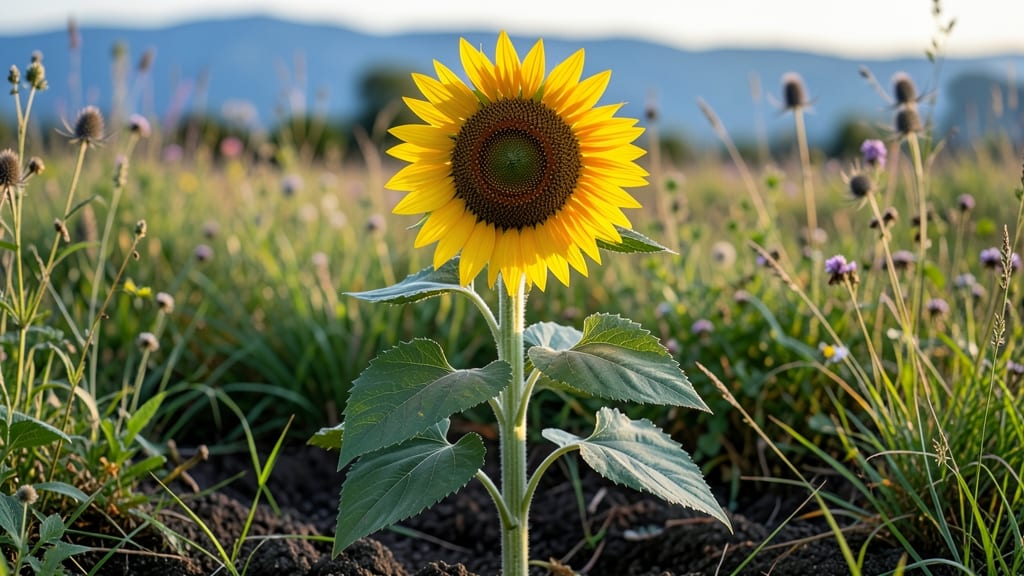
There’s nothing quite like watching a full grown sunflower reach for the sky—towering over your garden like a golden sentinel, only to collapse in a gust of wind if you’re not careful.
These giants can grow 12 feet or taller, but their strength depends on the care you give them from the moment they sprout.
If you’ve ever planted sunflowers and watched them struggle to stand upright or wilt under their own weight, you’re not alone.
The key to nurturing a sturdy, show-stopping 🌻 lies in a few simple but often overlooked strategies—like proper watering, strategic support, and knowing exactly when to harvest those prized seeds.
In this guide, I’ll break down everything you need to know to grow sunflowers that stay standing, from their ideal height by variety to the best ways to reinforce them before they top over.
Whether you’re aiming for a record-breaking bloom or just want a few stalks to brighten your space, these tips will keep your sunflowers thriving all season long.
Ready to turn your garden into a sunflower sanctuary? Let’s dive into the secrets behind healthy, towering blooms that last from summer through fall.
How tall do full grown sunflowers get? Height secrets by variety and care
Sunflowers are nature's skyscrapers, with some varieties stretching taller than a two-story house. The height of your full grown sunflower depends entirely on the variety you choose and how well you care for it.
Giant varieties can reach 12-16 feet, while dwarf types stay compact at just 2-4 feet. Understanding these differences helps you plan your garden layout and support structures before planting.
Your sunflower's height isn't just about genetics—it's also about growing conditions. Full sun exposure, rich soil nutrients, and proper watering schedules can push even medium-height varieties toward their maximum potential.
I've grown sunflowers that exceeded their expected height by 3 feet simply by providing consistent care and protection from strong winds.
The world record for tallest sunflower stands at 30 feet 1 inch (set in 2022), but this required specialized growing techniques. For home gardeners, achieving 10-14 feet is perfectly attainable with the right approach.
The key lies in selecting the appropriate variety for your space and understanding how to maximize each plant's genetic potential.
| Variety Type | Mature Height Range | Best For | Care Tips |
|---|---|---|---|
| Giant Varieties | 12-16 ft | Landscaping focal points, record attempts | Requires staking, deep watering, and rich soil |
| Standard Varieties | 8-12 ft | Cut flowers, seed production | Needs consistent moisture and support |
| Semi-Dwarf Varieties | 4-6 ft | Container growing, small gardens | Less support needed, drought-tolerant |
| Dwarf Varieties | 2-4 ft | Window boxes, patio gardens | Minimal care, ideal for beginners |
| Hybrid Varieties | 6-14 ft (varies) | Versatile uses, disease resistance | Follow seed packet instructions closely |
When selecting sunflower varieties, consider your garden's available space and wind exposure. Tall varieties like 'Mammoth' or 'Russian Giant' can reach 14-16 feet but require sturdy support to prevent toppling. These giants need at least 24 inches of spacing between plants to develop properly.
In contrast, dwarf varieties like 'Teddy Bear' stay under 4 feet and thrive in containers with just 12 inches of spacing.
Soil quality plays a crucial role in determining your sunflower's final height. Amend your garden soil with compost or aged manure before planting to provide essential nutrients. I've found that adding a balanced fertilizer (10-10-10) at planting time and again when the plants reach 3 feet tall significantly boosts growth.
The extra nutrients help the plants develop stronger stems capable of supporting their massive flower heads.
Sunlight requirements are non-negotiable for maximum height. Sunflowers need at least 6 hours of direct sunlight daily, but 8+ hours produces the tallest, most robust plants. In my experience, sunflowers grown in full sun conditions can reach 2-3 feet taller than those with partial shade.
If you're growing sunflowers in containers, place them in the sunniest spot available and rotate them daily for even growth.
Proper plant spacing prevents competition and allows each sunflower to reach its full potential. Giant varieties need 24-36 inches between plants, while standard types do well with 12-18 inches. Overcrowding leads to weaker stems and shorter plants as they compete for nutrients.
I once planted sunflowers too closely together, and their average height was 4 feet shorter than expected due to this competition.
Wind can dramatically affect your sunflower's height and stability. Strong winds cause stems to bend and grow unevenly, sometimes reducing height by 30% or more. To combat this, I recommend installing windbreaks or providing individual stakes and ties for tall varieties.
Even with support, wind can still cause some height reduction, but the structural integrity of your plants will be much better.
Breaking sunflower height records requires specialized techniques beyond basic care. The current record-holder used hydroponic growing methods, growth regulators, and
Watering and support strategies to keep full grown sunflowers standing tall
Your full grown sunflower can reach 12 feet or taller, but without proper care, those towering stems will flop like overripe corn stalks. The secret to keeping them standing strong lies in two key areas: watering consistency and structural support.
I’ve learned through trial (and a few dramatic collapses) that these giants need both deep hydration and physical reinforcement to handle their own weight.
First, let’s talk about watering—because shallow, frequent watering is the fastest way to weaken those sturdy stems. Sunflowers develop deep root systems when they get deep, infrequent watering (about 1-2 inches per week), which helps them anchor themselves.
Shallow watering keeps roots near the surface, making plants more prone to toppling in wind or rain.
Now, here’s where most gardeners go wrong: they assume sunflowers can stand on their own. That’s rarely true for varieties over 6 feet tall. Without support, even a slight breeze can snap those wooden-like stems at the base.
The good news? You don’t need fancy equipment—DIY stakes, cages, or trellises work perfectly.
⚠️ Common Mistake Alert: Overwatering vs. Undersupporting
I’ve seen full grown sunflowers drown in soggy soil while their neighbors toppled from lack of support—both equally tragic. Overwatering weakens stems by promoting soft, spindly growth, while no support turns your garden centerpiece into a windbreak casualty. The fix? Deep watering + reinforcement—always.
For watering, aim to soak the soil 6-8 inches deep every 3-5 days (adjust for heat). Use a drip irrigation system or water at the base to avoid wetting leaves, which can cause powdery mildew.
Mulch with straw or wood chips to retain moisture and protect roots from temperature swings.
When it comes to support, bamboo stakes (3-4 feet tall) work wonders for standard varieties. Insert them 2-3 inches into the soil next to each plant and tie the stem loosely with soft garden twine every 12 inches up the stalk.
For giant varieties (10+ feet), use metal cages or trellis netting—they’re sturdy enough to handle the weight.
Pro tip: If you’re growing sunflowers in containers, choose wide, shallow pots (at least 12 inches in diameter) and add a support stake at planting time. Container-grown sunflowers need even more frequent watering since their roots can’t spread as deeply.
Finally, avoid over-fertilizing with nitrogen, which promotes leafy growth at the expense of stem strength.
With these strategies, your full grown sunflowers will stand tall all season—ready to take photos, attract pollinators, and maybe even set a new height record in your neighborhood. Happy growing! 🌻