
Planting
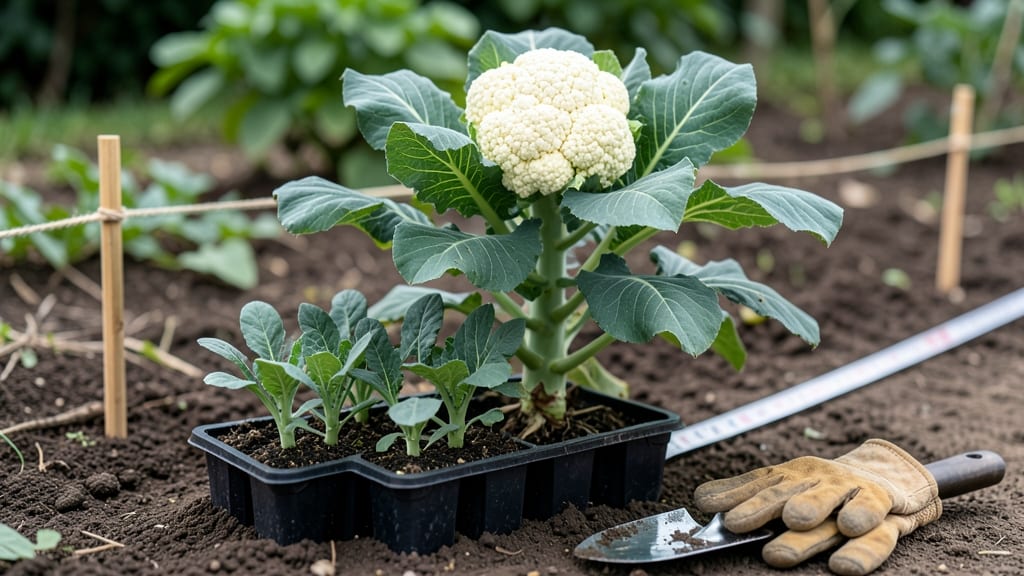
Optimal cauliflower spacing by variety: heads, size, and growth habits explained
Cauliflower spacing isn't one-size-fits-all—it depends on your variety, head size, and growth habits. Compact varieties like Romanesco need less room than giant white cauliflower heads, and row spacing affects airflow and disease prevention. Let’s break down the science so you can maximize yield and head quality.
Most gardeners focus only on plant-to-plant distance, but row spacing matters just as much. Tight rows can lead to poor airflow, while wide rows waste space. For standard varieties, aim for 18-24 inches between plants and 30-36 inches between rows.
However, dwarf varieties like 'Purple of Sicily' thrive with just 12-18 inches between plants.
Here’s the key: head size dictates spacing. Large-headed varieties (like 'Snowball Y Improved') need more room to develop fully, while baby cauliflower or broccolini can grow closer together. Even seasonal timing plays a role—early spring plantings benefit from slightly wider spacing to account for slower growth.
| Variety | Head Size | Plant Spacing | Row Spacing | Notes |
|---|---|---|---|---|
| Standard (e.g., Snowball Y) | 6-8 inches | 18-24 inches | 30-36 inches | Needs full sun; prone to bolting in heat |
| Dwarf (e.g., Purple of Sicily) | 4-6 inches | 12-18 inches | 24-30 inches | Compact; great for containers |
| Romanesco | 3-5 inches | 12-16 inches | 24 inches | Fractal pattern; slower growth |
| Broccolini | 2-4 inches | 8-12 inches | 18-24 inches | Fast-growing; cut-and-come-again |
| Late-Season (e.g., 'Late White') | 7-9 inches | 20-24 inches | 36 inches | Plant in late summer for fall harvest |
For early-season plantings, I recommend spacing plants closer together (18 inches) to take advantage of cooler temperatures and faster growth. In contrast, late-season varieties need wider spacing (24 inches) to prevent bolting before frost.
Always adjust for your soil type—sandy soil drains faster, so plants may need slightly more room.
If you’re growing cauliflower in containers, reduce spacing to 12 inches between plants but ensure each container is at least 12 inches deep. This mimics the compact spacing of dwarf varieties while still allowing roots to spread.
For raised beds, stagger plants in a grid pattern to optimize space without sacrificing airflow.
One common mistake is ignoring leaf canopy spread. Cauliflower leaves can extend 12-18 inches beyond the head, so crowding plants too closely leads to shading and pest issues.
Always account for mature foliage size when planning your layout. For example, 'Graffiti' (purple cauliflower) has a wider leaf spread than 'Snowball,' so give it extra room.
Pro tip: Use companion planting to maximize space. Pair cauliflower with shallots or thyme, which deter pests and don’t compete for nutrients. Avoid planting near tomatoes or potatoes, as they share diseases like blight. Strategic spacing and companionship can boost your yield by up to 30%.
Finally, don’t forget to thin seedlings to your target spacing once they’re 4-6 inches tall. This prevents overcrowding early on and gives remaining plants room to thrive. Mark your rows with stakes or string to maintain consistency
How crowding affects cauliflower: signs of overplanting and how to fix it
When cauliflower plants compete for nutrients, sunlight, and air circulation, their growth suffers dramatically. Overcrowding leads to stunted heads, yellowing leaves, and increased susceptibility to pests and diseases.
I’ve seen firsthand how a dense cauliflower patch can produce heads only half the expected size—all because the plants were fighting for space. The key is understanding how to recognize these signs early and take corrective action.
One of the first visual warning signs of overcrowding is yellowing lower leaves. This occurs when plants can’t access enough sunlight or nutrients due to competition. You might also notice small, misshapen heads that fail to reach their full potential.
These are clear indicators that your cauliflower needs more room to thrive. Ignoring these signs can lead to a poor harvest or even total crop failure.
⚠️ Critical Spacing Rule:
Standard cauliflower varieties need 18-24 inches apart in rows spaced 24-36 inches apart. Compact or dwarf varieties can tolerate 12-18 inches apart. Planting closer than 12 inches guarantees crowding, while 36+ inches wastes space in small gardens. Adjust based on your soil fertility—poor soil requires more space for root growth.
To fix overcrowding, start by thinning seedlings when they’re 2-3 inches tall. Use clean scissors or your fingers to snip or pull out weaker plants, leaving only the strongest ones. Aim to space remaining plants at least 18 inches apart.
This might seem harsh, but it’s far better than ending up with tiny, underdeveloped heads or a total loss due to disease.
Another effective solution is companion planting. Pair cauliflower with onions, garlic, or herbs like thyme and dill, which repel pests and improve air circulation. Avoid planting near tomatoes or strawberries, as they can compete aggressively for nutrients.
Raised beds are also a great option—they allow for better drainage and easier spacing adjustments, reducing the risk of overcrowding.
If your soil is nutrient-poor or compacted, consider amending it with compost or aged manure before planting. Healthy soil gives plants the strength to compete better for resources.
Additionally, mulching around plants helps retain moisture and suppress weeds, reducing competition from other plants. These small adjustments can make a big difference in your cauliflower’s growth and yield.
Regularly monitor your cauliflower patch for signs of stress, and don’t hesitate to transplant seedlings if they’re too close together. With the right spacing and care, you’ll enjoy large, healthy heads that are ready for harvest.
Proper spacing isn’t just about giving plants room—it’s about setting them up for success from day one.