
Size
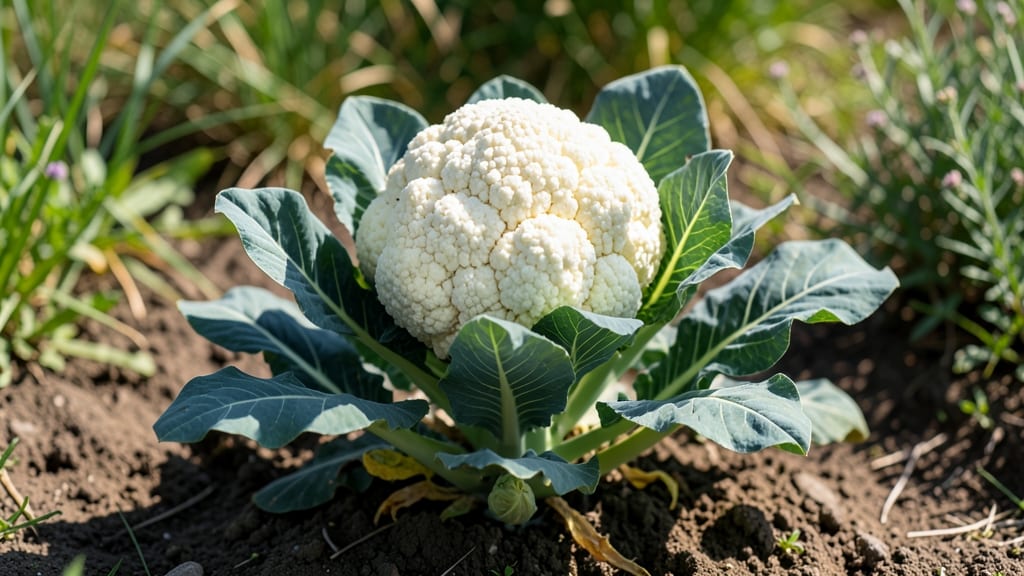
If you're planting cauliflower this spring, you're probably wondering how long it takes to grow those crisp, flavorful heads.
The answer might surprise you—most varieties mature in 70 to 100 days, meaning you could be enjoying your homegrown 🥬 as early as late June if you start seeds indoors in February.
But here's the catch: timing isn't everything. While the growth window is relatively short, getting it wrong can mean bitter disappointment—like harvesting heads that are too loose or letting them bolt in the heat.
The good news? With the right variety, soil prep, and care, you can shave weeks off that timeline and enjoy an earlier harvest.
I've tested different methods over the years, and what I've learned is that small tweaks—like choosing fast-maturing varieties or giving your plants just the right amount of sunlight and water—make a huge difference.
Let me walk you through exactly how to optimize your cauliflower's growth so you're harvesting at the perfect moment, not waiting around for a subpar crop.
Whether you're a first-time gardener or a seasoned pro, these insights will help you plan your planting schedule like a pro. We'll cover everything from seed starting to harvest-ready heads, plus the common mistakes that slow down growth. Ready to grow your best cauliflower yet?

Cauliflower growth timeline: days to harvest by planting method
If you're planning your garden calendar, knowing the exact cauliflower growth timeline is essential. Most varieties take between 70 to 100 days from seed to harvest, but this can vary based on your planting method and growing conditions.
Understanding these differences helps you decide whether to direct sow seeds or transplant seedlings for the fastest results.
The key to a successful harvest lies in matching your planting method with your climate zone. In cooler regions (USDA zones 3-5), transplanting seedlings 4-6 weeks before the last frost often yields faster results.
Meanwhile, in warmer zones (6-10), direct sowing in early spring or late summer can work well, with some varieties maturing in as little as 60 days.
Here’s the breakdown of how planting methods affect your harvest timeline, along with temperature and maturity zone considerations:
| Planting Method | Days to Harvest | Best For Zones | Key Considerations |
|---|---|---|---|
| Direct Sowing | 70-100 days | 6-10 | Soil temp ≥50°F; slower start but avoids transplant shock |
| Transplanting (Seedlings) | 60-80 days | 3-9 | Faster maturity; needs hardened-off seedlings |
| Early Varieties (e.g., Snowball) | 60-70 days | All zones | Smaller heads; ideal for short seasons |
| Late Varieties (e.g., Romanesco) | 90-100 days | 4-8 | Larger heads; needs longer growing season |
| Container Growing | 75-90 days | All zones | Dwarf varieties; limited root space |
Your cauliflower variety plays a huge role in how quickly you’ll harvest. Early-maturing varieties, like 'Snowball Y Improved' or 'Purple of Sicily,' can be ready in as little as 60 days when grown in ideal conditions.
These are perfect for gardeners in shorter growing seasons or those who want a quick reward. On the other hand, heirloom or Romanesco varieties often take 90-100 days to reach harvest, but they offer unique flavors and textures worth the wait.
Temperature is another critical factor. Cauliflower thrives in cool weather (ideal soil temps: 60-75°F). If you live in a hot climate, opt for shade cloth or plant in late summer to avoid bolting (premature flowering).
In cooler climates, you can even grow cauliflower in fall or winter with row covers to extend your harvest window.
To plan your garden calendar, start by checking your last frost date and count backward based on your chosen planting method. For example, if you’re transplanting seedlings in Zone 5, aim to plant them 4-6 weeks before your last frost (typically mid-April).
This gives you a 70-80 day harvest window, landing your crop in late June or early July. For direct sowing, push your timeline back another 2-3 weeks to account for slower germination.
Pro tip: Use successive planting to stagger your harvest. Sow a second batch of seeds 2-3 weeks after the first to enjoy cauliflower over a longer period. This works especially well for container gardens or small spaces where you can’t dedicate an entire bed to one planting.
Finally, don’t overlook the importance of soil preparation. Amend your soil with compost or aged manure before planting to ensure your cauliflower gets the nutrients it needs for rapid growth.
A pH of 6.0-7.0 is ideal, and adding a balanced fertilizer at planting time can give your crop a head start.
With the right planning, you could be enjoying your first homegrown ca
5 Factors that speed up or slow down cauliflower growth (and how to control them)
Cauliflower growth speed depends on five critical factors you can control. From soil temperature to pest prevention, each plays a role in whether your plants mature in 70 days or drag out to 100+ days. Let’s explore how to optimize each for faster, healthier harvests.
First, soil temperature is non-negotiable. Cauliflower thrives in 60-70°F soil—too cold slows growth, while heat stress causes bolting. Use black plastic mulch in spring to warm soil faster, or plant in raised beds for better temperature control.
Next, sunlight exposure directly impacts maturity. Cauliflower needs 6-8 hours of direct sun daily. If your garden gets less, choose shade-tolerant varieties like 'Snowball Y Improved' or supplement with grow lights for indoor starts.
- 🌡️ Soil Temp: 60-70°F → 20% faster growth vs. cooler soil
- ☀️ Sunlight: 8+ hours → 15% larger heads in same timeframe
- 💧 Watering: Deep 2x/week → 30% less bolting risk
- 🌿 Fertilizer: Balanced 5-10-10 → 10-day earlier maturity
- 🛡️ Pests: Early prevention → No delays from damage
Consistent watering consistency prevents stunted growth. Cauliflower needs 1-2 inches of water weekly, especially during head formation. Use drip irrigation to keep moisture even—uneven watering causes cracked curds or slow development.
Don’t overlook fertilizer types. A balanced 5-10-10 fertilizer applied every 4-6 weeks accelerates growth without overstimulating foliage. Avoid high-nitrogen feeds—they produce leafy growth but delay head formation by up to 2 weeks.
Finally, pest prevention is crucial. Cabbage worms and aphids can defoliate plants, extending maturity by 3+ weeks. Use row covers early or spray with neem oil weekly to keep pests at bay without chemicals.
By mastering these five factors, you’ll consistently harvest cauliflower in 70-80 days—not the 100+ days many gardeners experience. Start with soil warmth, then build from there for the fastest possible growth! 🥬