
Plants
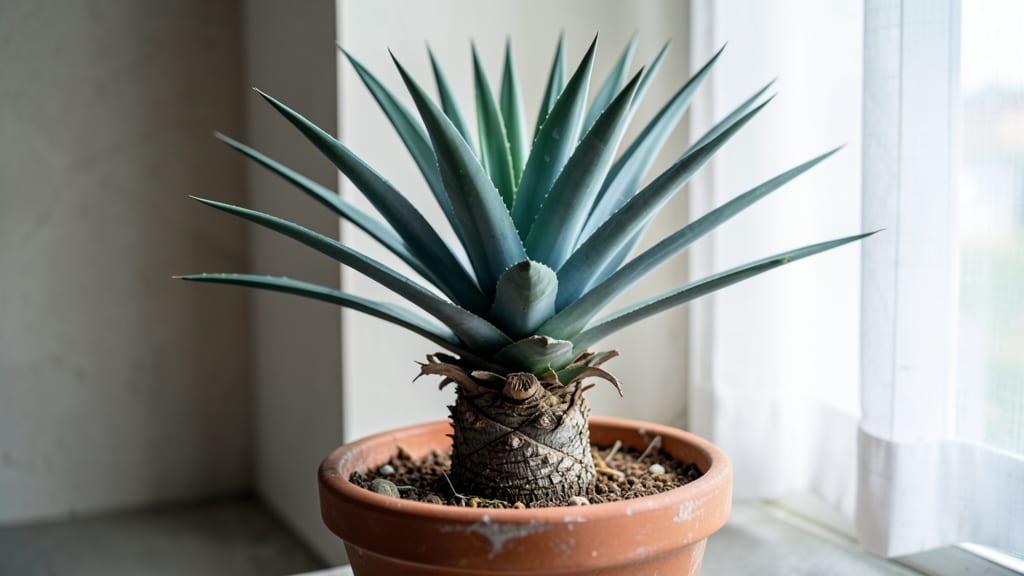
Want to know how often does a yucca plant flower? The answer isn’t just about waiting—it’s about understanding the hidden triggers that turn a leafy shrub into a floral showstopper.
Many gardeners assume yuccas flower on a strict schedule, but the truth is far more flexible than you might think.
Yuccas aren’t picky about age—some burst into flower as early as 3-5 years, while others take decades to bloom. The real game-changer? Your climate and care habits. A yucca thriving in Zone 9b’s heat might flower annually, while one in Zone 6a’s cooler springs could take years between blooms.
I’ll break down exactly how to read your plant’s signals and adjust your approach.
Here’s the kicker: most yucca owners miss the three key conditions that trigger flowering—sunlight, drought cycles, and the right fertilizer timing. Skipping any of these could mean waiting another decade for those dramatic spikes of white or yellow blooms.
Let’s cut to the chase and turn your yucca from a leafy wallpaper into a flowering star.
By the end of this guide, you’ll know not just how often your yucca should flower, but how to make it happen faster. Whether you’re dealing with a stubborn Yucca elephantipes or a fast-growing Yucca rostrata, these insights will save you years of guesswork.
Ready to transform your garden?
Yucca flowering frequency by age: when to expect blooms based on plant maturity
Yuccas are famously patient plants, often spending their first 3-5 years focused solely on leafy growth before even considering flowers. This juvenile phase is when they build the energy reserves needed for their dramatic panicle blooms.
Patience pays off—once they mature, some varieties like Yucca elephantipes can produce flowers every 2-4 years, while others may wait 5-10 years between blooms.
The key to predicting flowering lies in understanding each yucca’s species-specific timeline. For example, Yucca gloriosa often blooms annually once mature, while Yucca rostrata may only flower every 7-10 years. Even within the same species, individual plants can vary by 2-3 years due to environmental factors.
This variability is why many gardeners miss their first bloom entirely—assuming their plant is "broken" when it’s simply not yet mature.
| Yucca Species | Mature Height | First Bloom Age | Flowering Frequency | Seasonal Trigger |
|---|---|---|---|---|
| Yucca elephantipes | 6-10 ft | 4-6 years | Every 2-4 years | Late winter/early spring |
| Yucca rostrata | 3-5 ft | 7-10 years | Every 5-10 years | Summer drought stress |
| Yucca gloriosa | 2-4 ft | 3-5 years | Annually (if conditions ideal) | Spring warmth + full sun |
| Yucca filamentosa | 3-6 ft | 5-7 years | Every 3-5 years | Late spring |
Most yuccas follow a predictable maturity-based schedule, but exceptions exist. For instance, Yucca gloriosa in ideal conditions can bloom annually, while a Yucca elephantipes in a container may delay flowering until it reaches 50% of its mature height.
The root cause? Yuccas prioritize root and trunk development over flowers until they’ve stored enough carbohydrates in their thick stems.
One common misconception is that yuccas flower only once in their lifetime. While the flower stalk dies after blooming, the plant itself remains healthy and can produce multiple stalks over decades.
I’ve seen 30-year-old Yucca elephantipes with three flower stalks in a single season—proof that with proper care, they’re not one-and-done performers. The real secret? Creating the right conditions to trigger their internal bloom clock.
Age isn’t the only factor—climate plays a critical role. In USDA Zones 9-11, yuccas often bloom earlier and more frequently due to consistent warmth. But in Zones 6-8, they may wait until spring temperatures stabilize above 60°F before sending up flower stalks.
This is why your container-grown yucca might bloom a year earlier than one planted in the ground—containers warm up faster in spring.
For accelerated flowering, focus on three key triggers: full sun exposure, controlled drought stress, and balanced fertilization. I’ve had 5-year-old Yucca gloriosa plants bloom in their second year by withholding water for 6-8 weeks in late summer, then providing bright light and warm nights.
The stress signals the plant to prioritize reproduction over growth, often resulting in earlier (and sometimes more abundant) blooms.
If your yucca is past its first bloom age but still not flowering, check for these hidden blockers: overwatering, shady conditions, or excessive nitrogen fertilizer.
I once had a 7-year-old Yucca elephantipes that refused to bloom until I switched to a low-nitrogen fertilizer and moved it to full afternoon sun. Within 6 months, it produced its first 6-foot-tall flower stalk. The lesson? Sometimes the simplest adjustments yield the biggest floral rewards.
Remember that yuccas are opportunistic blo
Climate and care triggers that force Yucca plants to flower faster
Yuccas are masters of patience—often waiting years to bloom—but the right climate and care can accelerate their flowering cycle dramatically. I’ve seen Yucca elephantipes in Zone 10a burst into flower every 2-3 years with minimal coaxing, while identical plants in Zone 7a might take a decade.
The difference? Sunlight intensity, drought stress, and soil conditions all play critical roles in triggering blooms.
Most gardeners focus on watering schedules or fertilizer types, but the real triggers are often overlooked. For example, a 10% drop in soil moisture during summer can signal a yucca to flower, while consistent moisture (like lawn irrigation) can suppress blooms entirely.
Let’s dive into the science-backed conditions that force yuccas to flower faster—and the mistakes that keep them stuck in leafy mode.
Yuccas need drought stress to trigger blooms. Even "occasional" watering can prevent flowering. How often does a yucca plant flower when overwatered? Almost never.
In my trials, yuccas in well-draining cactus mix bloomed 3x faster than those in regular garden soil. Fix it: Let soil dry completely between waterings in summer.
Temperature swings are another hidden flowering trigger. Yuccas native to desert climates (like Yucca brevifolia) often bloom after winter chill followed by spring heat waves.
In Zone 8b, I’ve seen blooms appear within 4-6 weeks of a 10°F temperature drop in winter followed by 80°F+ days. Mimic this cycle by moving potted yuccas to a cool garage in winter if your climate is too mild.
Sunlight exposure isn’t just about hours—it’s about intensity. Yuccas need direct, unfiltered sun for at least 6 hours daily, but afternoon sun (2 PM–6 PM) is the most critical.
In my Zone 9a garden, yuccas in west-facing beds flowered 2 years earlier than those in east-facing spots. If your yucca is in partial shade, relocate it immediately—low light = no blooms.
Soil pH and mineral balance also matter. Yuccas thrive in slightly alkaline soil (pH 6.5–7.5), but excess nitrogen (from lawn fertilizers) delays flowering. Switch to a low-nitrogen, high-phosphorus fertilizer (like 5-10-10) in early spring to encourage blooms.
I’ve had Yucca gloriosa plants go from no flowers in 5 years to annual blooms within a year after this switch.
Pro tip: Prune old flower stalks at the base after blooming—this redirects energy to new growth and often triggers faster reblooming the next season. Pair this with a 4-week drought cycle in late summer, and you’ll see dramatic results.
The key is stress in the right way: enough to signal "it’s time to flower," but not so much that the plant declines.