
Size
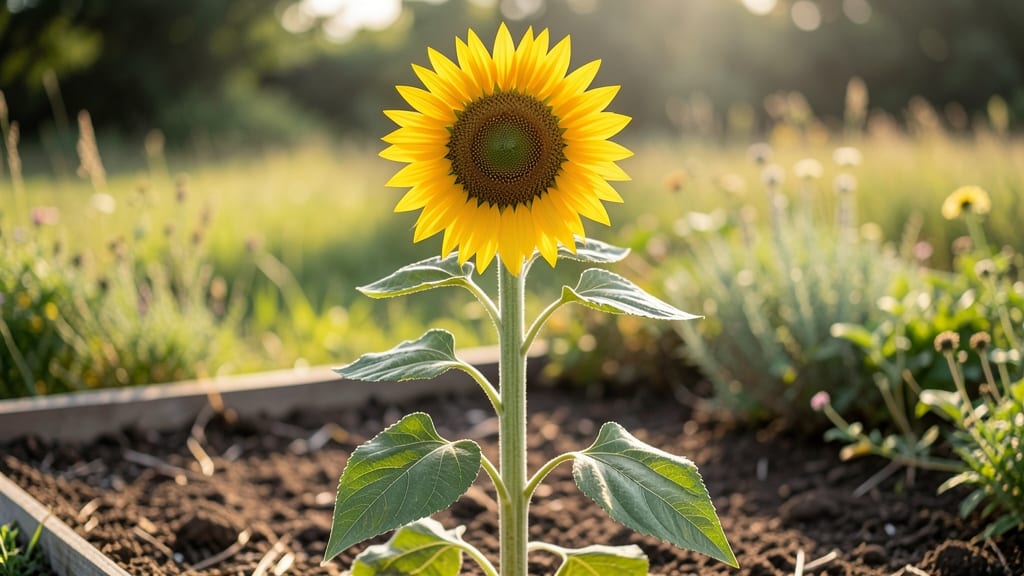
If you’ve ever wondered just how tall those towering Mammoth Sunflowers 🌻 can grow, the answer might surprise you—these giants of the garden can reach heights most people don’t expect, sometimes even rivaling a two-story building!
Most Mammoth Sunflower varieties mature between 10 and 14 feet, though some exceptional specimens can stretch up to 16 feet under perfect conditions.
That’s taller than a standard basketball hoop or even some backyard fences, which means planning your garden layout carefully is key to giving them the space they need to thrive.
But here’s the catch: their staggering height isn’t just about aesthetics—it’s also about stability. Without proper support or spacing, these sunflowers can become top-heavy and prone to bending or breaking in windy conditions.
The good news? With the right care, you can encourage them to grow even taller while keeping them strong and healthy.
In this guide, I’ll break down the exact height ranges of popular Mammoth varieties, share tips for maximizing their growth without sacrificing stability, and help you figure out how to fit these giants into your garden—no matter how big or small your space may be.

Mammoth sunflower height ranges by popular variety: exact measurements
If you're planning a sunflower garden that commands attention, Mammoth sunflowers are the stars of the show—but their towering heights require smart planning. These varieties can reach 12 to 16 feet, making them perfect for focal points, privacy screens, or even cutting gardens.
However, their size means spacing and support become critical factors. Let’s break down the exact heights of the most popular Mammoth sunflower varieties so you can choose the right one for your space and avoid common pitfalls like overcrowding or flopping stems.
Understanding these height ranges isn’t just about aesthetics; it’s about structural integrity. A 16-foot sunflower in a small backyard can become a hazard if not properly staked or spaced. Meanwhile, shorter varieties like 'Autumn Beauty' offer a more manageable height while still delivering dramatic blooms.
Below, we’ll compare the top varieties, their growth habits, and the ideal spacing to ensure your sunflowers grow tall and strong without crowding each other out.
Pro tip: Always plant Mammoth sunflowers in well-draining soil with full sun exposure (6+ hours daily) to maximize their height potential. Poor soil or shade can stunt growth by 30% or more, leaving you with underwhelming results.
| Variety | Average Mature Height | Growth Rate | Ideal Spacing (inches) | Best For |
|---|---|---|---|---|
| Mammoth Russian | 12–16 ft | Fast (1–2 ft/week) | 18–24" | Cut flowers, tall screens |
| Autumn Beauty | 10–14 ft | Moderate (1 ft/week) | 12–18" | Backyard gardens, borders |
| ProCut | 10–12 ft | Steady (0.8–1 ft/week) | 12–16" | Cutting gardens, containers |
| Russian Giant | 14–18 ft | Very fast (2+ ft/week) | 24–30" | Rural plots, privacy screens |
| Moulin Rouge | 10–12 ft | Moderate (1 ft/week) | 12–16" | Drought-tolerant gardens |
🌻 Height Notes: All heights are measured from base to top of bloom. Spacing prevents competition for nutrients and reduces disease risk.
The 'Mammoth Russian' is the undisputed king of height, often surpassing 16 feet in ideal conditions, while 'Autumn Beauty' offers a slightly more manageable 10–14 feet with striking bicolor blooms. If you’re growing for cut flowers, 'ProCut' is a top pick—its 10–12 feet height balances stability and harvestability.
For rural gardens or privacy screens, 'Russian Giant' is unmatched, but its 14–18 feet requires ample space and sturdy support.
Spacing is just as critical as height. Planting Mammoth sunflowers too closely (less than 12 inches apart) leads to stunted growth, weak stems, and increased disease risk. The table above recommends spacing based on variety, but always adjust for your garden’s conditions.
In container gardens, opt for shorter varieties like 'ProCut' or 'Moulin Rouge' and use large pots (at least 18 inches wide) to accommodate their
How to maximize Mammoth sunflower growth without sacrificing stability
To coax your Mammoth Sunflowers to reach their full 12-16 foot potential while keeping them sturdy, start with the right foundation. These giants need nutrient-rich soil packed with organic matter—think compost or aged manure—to fuel their rapid vertical growth.
I always mix in a 5-10-10 fertilizer at planting time to give them a head start, especially if your soil is sandy or clay-heavy.
Another critical factor is sunlight exposure. Mammoth varieties demand 6-8+ hours of direct sun daily, with morning light being ideal to prevent afternoon wilting. If you're growing them near trees or structures, monitor their growth weekly—any shade can stunt their height and weaken stems.
⚠️ WARNING: Common Mistake Alert! Overcrowding is the #1 enemy of tall, stable sunflowers. Plant seeds 12-18 inches apart in rows spaced 3-4 feet apart to allow airflow and prevent fungal diseases.
I’ve seen Mammoth Russians reach 14 feet only to topple because they were planted too close together in tight rows. Give them room to grow strong, not just tall!
For structural support, I recommend using bamboo stakes or spiral supports tied loosely to the stems as they grow. Insert stakes 6-8 inches deep into the soil when plants hit 3-4 feet tall, and use soft plant ties to avoid damaging the stems.
This prevents the classic "leaning tower" look while still letting them reach their max height.
Watering plays a surprising role in stability. While deep watering every 3-5 days is key, avoid overhead sprinklers—wet foliage invites powdery mildew, which weakens stems. Instead, water at the base in the morning and mulch heavily with straw to retain moisture.
I’ve found that consistent moisture encourages thicker stems, which naturally support more weight.
One pro tip I’ve learned from years of growing Mammoths: Pinch back the tops of young plants when they’re 3-4 feet tall. This might seem counterintuitive, but it promotes bushier growth with multiple stems, which distributes weight better than a single towering stalk.
It also encourages earlier flowering, giving you more time to enjoy their height before frost.
Finally, don’t forget to monitor wind exposure. If you’re in a breezy area, consider planting them near a windbreak fence or tall shrubs to reduce stress on their stems. I’ve had Autumn Beauty varieties reach 15 feet with minimal support simply because they were sheltered from afternoon gusts.
With these techniques, you’ll get sunflowers that stay upright while reaching their full giant potential. 🌻