
Flowers
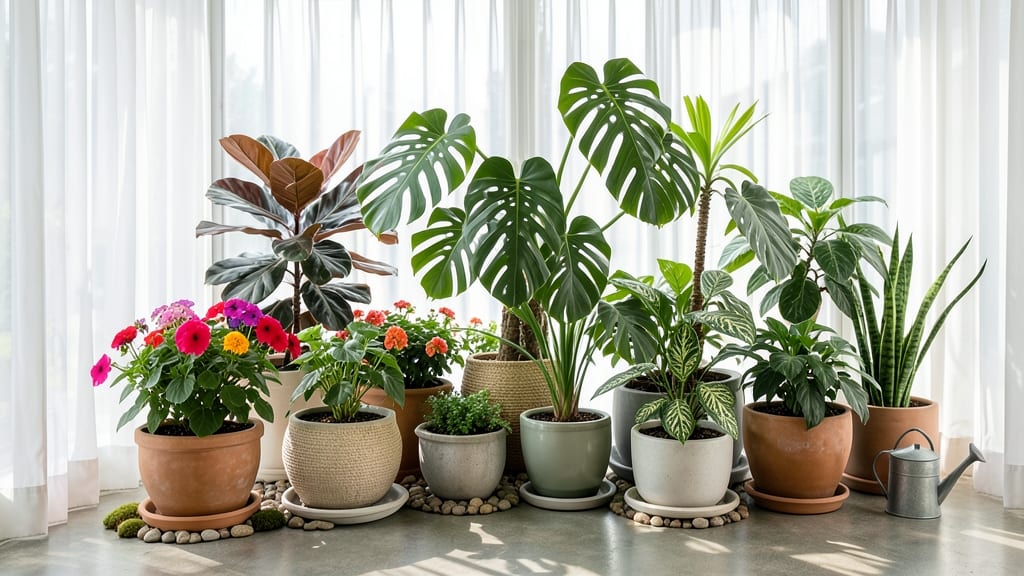
Looking to turn your outdoor space into a showstopper with ideas for large flower pots? You don’t need a sprawling garden—just a few well-chosen containers can transform even the smallest patio into a lush, vibrant retreat.
Large pots aren’t just functional; they’re the game-changer for adding height, texture, and drama to any area. Whether you’re drawn to towering 🌸 Large Flowering Plants or cascading greenery, the right planter can elevate your design instantly.
The best part? You can mix styles—modern, rustic, or boho—to match your personal taste.
From selecting the perfect materials to choosing plants that thrive in containers, I’ll walk you through everything you need to know. You’ll discover how to maximize space, create focal points, and keep your pots looking fresh all season long—no green thumb required.
Ready to make your outdoor space the envy of the neighborhood? Let’s dive into easy, creative designs that bring your vision to life with minimal effort. Your patio (or balcony!) deserves this upgrade.
Creative large flower pot design ideas for every style
Large flower pots aren’t just functional—they’re the ultimate canvas for transforming any outdoor space into a vibrant showstopper. Whether you’re working with a tiny balcony or a sprawling backyard, the right oversized planter design can instantly elevate your aesthetic while keeping your plants thriving.
The key is balancing visual drama with practicality, ensuring your pots are as easy to care for as they are to admire.
From sleek geometric shapes that scream modern elegance to rustic repurposed containers brimming with charm, there’s a design to match every style. I’ve tested these ideas in my own garden, and trust me—your plants (and neighbors) will thank you for the upgrade.
Let’s dive into 10 bold yet functional ways to make your large flower pots the stars of your outdoor space.
🌿 10 Stunning Large Flower Pot Designs
-
🔺 Geometric Planters
Sleek rectangular or cube-shaped pots in matte black, white, or terracotta create a minimalist vibe. Perfect for urban gardens or contemporary patios. -
🪜 Tiered Pots
Stacked multi-level planters add vertical interest and maximize space for trailing plants like fuchsias or string of pearls. Choose wrought iron or ceramic for durability. -
🛁 Repurposed Bathtubs
Fill a vintage freestanding tub with monstera leaves or orchids for a boho-chic focal point. Line with a waterproof liner if needed for drainage. -
🪵 Hanging Planters
Suspend oversized macramé or woven baskets from pergolas or trees. Ideal for trailing succulents or petunias to cascade beautifully. -
🪲 Barrel Planters
Rustic wooden or metal barrels (even whiskey barrels!) add farmhouse charm. Paint them galvanized green or leave them natural for texture. -
🌿 Window Box Hybrids
Combine long, narrow troughs with deep planters for a layered look. Plant lavender at the edges and roses in the center for height. -
🪨 Concrete Accent Pots
Textured concrete pots with mosaic tiles or pebble embeds add a high-end touch. Use them for drought-tolerant plants like aloe or yucca. -
🪵 Pallet Wood Planters
Upcycle wooden pallets into raised garden beds or vertical planters. Stain them dark brown for a modern twist. -
🪴 Self-Watering Planters
Built-in reservoirs eliminate guesswork. Great for herbs or citrus trees that need consistent moisture. -
🌺 Themed Color Blocks
Group pots in monochromatic schemes (e.g., all terracotta) or complementary colors (e.g., blue + orange). Add metal accents for cohesion.
When selecting a design, prioritize drainage holes—even the most stunning pot won’t work if your plants drown. I always double-check by flipping the pot upside down before planting. For heavy materials like concrete or stone, consider pot feet or elevated stands to protect decks and patios from water damage.
Don’t overlook the power of plant pairing. Combine tall plants like ornamental grasses with spiller plants like petunias to create dynamic layers. Pro tip: Use mulch (like cypress or pine straw) to keep soil moist and suppress weeds—it also adds a polished finish.
Seasonal swaps are another game-changer. Swap out summer annuals for evergreens or holiday-themed pots in fall. For example, a deep red pot with poinsettias in December instantly transforms your space. The key is flexibility—your pots should adapt to your garden’s ever-changing needs.
Lighting can take your design to the next level. Solar-powered LED lights wrapped around the rim of a pot or string lights draped overhead create a magical ambiance at night. I love using warm white lights for a cozy feel or color-changing LEDs for a playful touch.
Finally, think about scalability. If you’re renting or planning to move, opt for lightweight materials like fiberglass or plastic. But if you’re settling in, invest in heavier, high-quality pots that’ll last for years.
My cast stone planters have been in the same spot for five years—and they’re still going strong!
Ready to get creative? Start with one bold pot as a statement piece, then build from there. Your outdoor space will thank you with year-round beauty and a whole lot of curb appeal. 🌸
How to choose the best materials for durability and aesthetics
When selecting materials for your large flower pots, durability and aesthetics go hand in hand. The wrong choice can leave you with cracked planters or faded colors after just one season. I’ve tested everything from lightweight fiberglass to heavy ceramic—here’s what really works for both looks and longevity.
Start by considering your climate and location. Coastal areas need salt-resistant materials like resin, while urban spaces benefit from lightweight options like fiberglass for easy moving. Mixing textures, like pairing concrete bases with mosaic accents, can create a high-end look without sacrificing function.
Durability depends on the material’s ability to withstand weather extremes, from scorching sun to freezing temps. Some materials, like treated wood, may crack over time, while others, like metal, can rust if not properly coated. Always prioritize materials with UV protection to prevent fading.
Here’s a quick breakdown of the best options for your large flower pots, including their pros and cons to help you decide:
Material Comparison for Large Flower Pots
- ✅ Durable and stylish
- ✅ Great for indoor/outdoor
- ❌ Heavy and fragile
- ❌ Can crack in freezing temps
- ✅ Lightweight and affordable
- ✅ Resistant to weather
- ❌ Limited color options
- ❌ Can fade over time
- ✅ Lightweight and versatile
- ✅ Mimics natural materials
- ❌ Can become brittle
- ❌ Higher upfront cost
- ✅ Natural and rustic look
- ✅ Good insulation for roots
- ❌ Requires sealing
- ❌ Prone to rot
- ✅ Industrial and modern
- ✅ Durable and long-lasting
- ❌ Can get too hot in sun
- ❌ Requires rust protection
For a high-end look, consider mixing materials—like pairing a concrete planter with a copper rim or adding mosaic tiles to a fiberglass pot. This combo adds visual interest while keeping the functional benefits of each material. Just ensure all parts are weatherproofed to avoid deterioration.
Don’t overlook maintenance requirements. Ceramic pots may need re-glazing, while wood needs sealing every few years. Resin and fiberglass are low-maintenance but can fade without UV protection. Choose based on how much time you’re willing to invest in upkeep.
My top pick? Resin for its balance of durability, lightweight design, and customizable aesthetics. It’s perfect for large pots because it won’t crack under heavy soil loads and can mimic the look of natural materials like stone or wood.
Plus, you can find resin pots in endless colors and textures to match any design scheme.