
Flowers
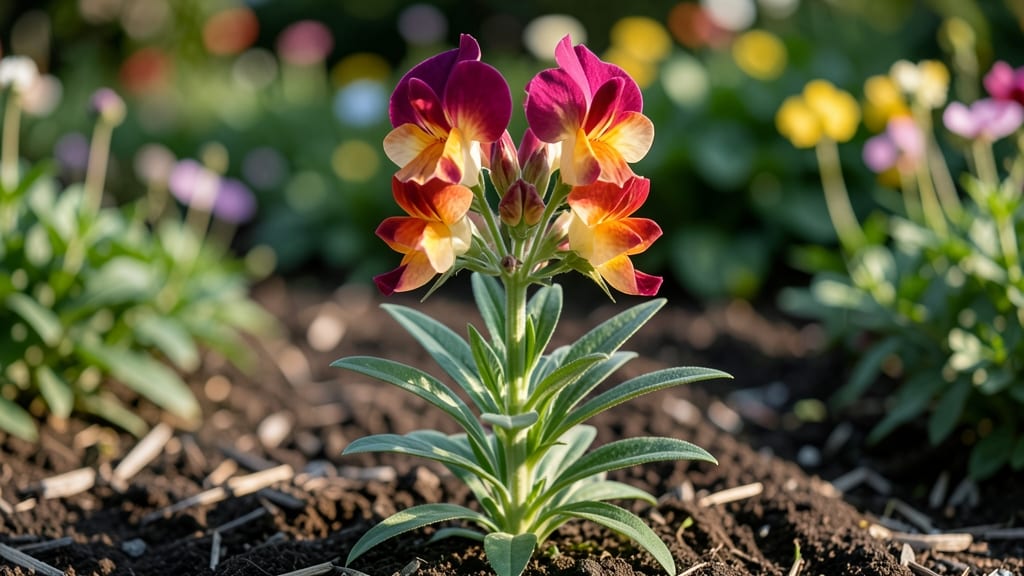
If you’ve ever wondered why your snapdragon flower height seems to vary wildly from one plant to the next—whether they’re barely reaching your knees or towering over your head—you’re not alone.
The truth is, snapdragons (🌸) come in a stunning range of heights, from delicate 12-inch dwarfs perfect for window boxes to 5-foot giants that command attention in garden borders.
But what you may not realize is that their final height depends on more than just genetics—sunlight, soil quality, and even how you prune can make a big difference.
In this guide, I’ll break down the exact height ranges for popular snapdragon varieties, so you can pick the perfect fit for your space. You’ll also discover simple, science-backed tips to control their growth naturally—whether you want bushier blooms or taller stems.
Ready to transform your garden with snapdragons that match your vision? Let’s dive into the secrets behind their heights and how to get the most out of every plant.

Snapdragon height ranges: from dwarf varieties to giant bloomers
Snapdragons offer one of the most diverse height ranges in the flower world, making them perfect for everything from container gardens to tall borders.
Whether you need a 12-inch accent plant for your patio or a 5-foot focal point for your backyard, there’s a snapdragon variety to match your vision. Understanding these height ranges helps you plan spacing, support needs, and even companion plantings for a cohesive look.
Most snapdragon varieties fall into four distinct height categories: dwarf (12–24 inches), semi-dwarf (24–36 inches), standard (36–48 inches), and giant (48–54 inches).
Each category thrives under slightly different growing conditions, so choosing the right one for your space—and providing the right care—will ensure your snapdragons reach their full potential.
Height isn’t just about aesthetics—it also affects sunlight exposure, watering needs, and even pollinator attraction. Taller varieties often need staking or trellises to prevent flopping, while dwarf types can spill beautifully over hanging baskets or window boxes. Let’s break down the best options for each height tier, along with their ideal growing conditions.
| Height Range | Varieties | Spacing Needs | Sunlight Needs | Best Uses |
|---|---|---|---|---|
| 12–24 inches | 'Tiny Tower', 'Pocket Rocket', 'Lilliput' | 8–12 inches apart | Full sun to partial shade | Containers, window boxes, fairy gardens |
| 24–36 inches | 'Matrix', 'Colorado', 'Cupcake' | 12–18 inches apart | Full sun (6+ hours) | Border edges, mixed beds, hanging baskets |
| 36–48 inches | 'Black Prince', 'Monarch', 'Rocket' | 18–24 inches apart | Full sun (6–8 hours) | Back of borders, cut flower gardens, trellises |
| 48–54 inches | 'Giant Imperial', 'Titan', 'Black Knight' | 24–30 inches apart | Full sun (8+ hours) | Focal points, tall hedges, vertical gardens |
For dwarf snapdragons (12–24 inches), varieties like 'Tiny Tower' and 'Pocket Rocket' are ideal for small spaces. These compact beauties thrive in containers or window boxes and can even grow well in partial shade, making them versatile for patios or shaded balconies.
Space them 8–12 inches apart to allow airflow and prevent disease.
If you’re aiming for medium-height snapdragons (24–36 inches), look for 'Matrix' or 'Colorado' series, which offer vibrant colors and long bloom times. These varieties love full sun and perform best in well-draining soil.
Plant them 12–18 inches apart to create a lush, full border that won’t overwhelm smaller gardens.
Tall snapdragons (36–48 inches) like 'Black Prince' or 'Monarch' are perfect for adding drama to your garden. They need more sunlight (6–8 hours daily) and benefit from staking or trellises to support their height. Space these varieties 18–24 inches apart to give their roots room to establish and prevent competition for nutrients.
The giant snapdragons (48–54 inches) are the showstoppers of the group, with varieties like 'Giant Imperial' reaching nearly 5 feet tall. These towering plants need full sun (8+ hours) and rich, fertile soil to reach their maximum height.
Plant them 24–30 inches apart and consider using strong stakes or cages to keep them upright, especially in windy areas.
When choosing snapdragons for your garden, also consider their
How to control snapdragon height naturally: pruning and support tips
If your snapdragons are reaching heights you didn’t plan for—or worse, flopping over like overgrown weeds—don’t worry. With the right techniques, you can naturally control snapdragon flower height to fit your garden’s vision.
Whether you want bushier blooms or taller stems, pruning and support strategies work wonders without harsh chemicals.
The key lies in understanding when and how to prune. Snapdragons respond beautifully to light pruning throughout the season, especially when you remove spent blooms. This not only keeps them compact but also encourages more flowers by redirecting energy from seed production back to growth.
For taller varieties, staking or trellising can transform leggy stems into striking vertical displays.
Here’s a step-by-step guide to managing your snapdragon’s height naturally, from deadheading to seasonal pruning:
Remove spent blooms by pinching them off just above the next set of leaves. This prevents seed formation and promotes bushier growth.
Cut back overly tall stems by one-third in early summer to encourage lateral branching and a fuller shape.
Insert bamboo stakes or lightweight trellises near tall varieties to support upright growth and prevent flopping.
When seedlings reach 6 inches tall, pinch off the top set of leaves to stimulate branching and a stockier plant.
Reduce nitrogen-heavy fertilizers to prevent excessive leafy growth at the expense of flower production and height.
For tall snapdragons (3+ feet), consider training them vertically in container gardens or along fences. This not only saves space but also creates a stunning vertical garden display. Just be sure to tie stems loosely to supports to avoid damaging the delicate stems.
Timing matters too! Prune in the morning on a cloudy day to reduce stress on the plant. Avoid heavy pruning in late summer, as this can stunt fall blooms.
With these techniques, you’ll have snapdragons that thrive at your desired height—whether that’s a compact border or a dramatic vertical accent. 🌸