
Flowers
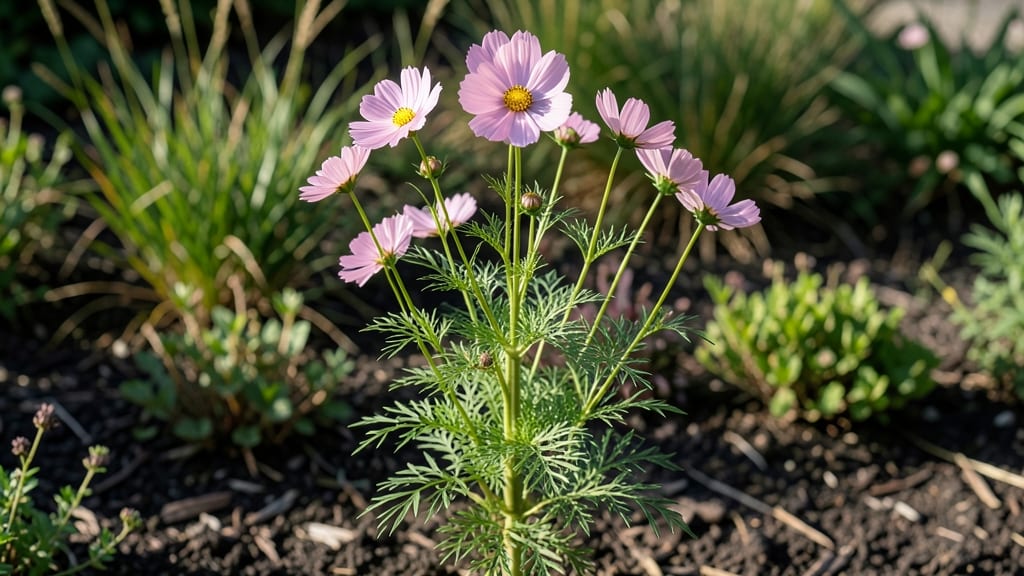
When you picture cosmos flower height transforming your garden, do you imagine delicate 1-foot spills or dramatic 6-foot towers? The truth is, cosmos flower height varies wildly—and choosing the right variety could transform your space from cluttered to curated.
With Cosmos bipinnatus reaching 4-6 feet and dwarf varieties like 'Purity' staying under 2 feet, the possibilities are endless. Whether you're designing a cottage garden border or a container display, height matters for both aesthetics and function. Let’s break down how to pick the perfect size for your vision.
Beyond variety selection, soil quality and sunlight exposure play surprising roles in determining how tall your cosmos will grow. Some gardeners swear by strategic pruning, while others let their plants reach their natural potential.
I’ll share the secrets to controlling height—naturally and effectively—so you can get the look you love without sacrificing blooms.
Ready to turn your garden into a height-perfect showstopper? We’ll cover everything from spacing tips for tall varieties to the best dwarf cosmos for small spaces. Your dream garden starts with the right plants—and the right height.

Cosmos flower height by variety: dwarf to giant growth charts
Choosing the right cosmos variety for your garden isn’t just about color—it’s about height control. Whether you need compact blooms for containers or towering stems for cut flowers, cosmos offer a stunning range from 6 inches to 6 feet.
I’ve grown these varieties myself, and their mature heights often surprise even experienced gardeners.
The key to maximizing bloom potential lies in understanding each variety’s genetic growth habit and ideal spacing requirements. For example, a 12-inch dwarf cosmos planted too closely will compete for sunlight, while a 6-foot giant needs room to avoid flopping.
Let’s explore the full spectrum of cosmos heights and how to plan your garden layout accordingly.
🌱 Pro Tip: Most cosmos reach 50% of their mature height by mid-summer, making early spacing adjustments critical for full bloom displays.
| Variety | Mature Height | Spacing (inches) | Best For | Bloom Time |
|---|---|---|---|---|
| 'Purity' Series | 6-12" | 6-8" | Containers, borders | Summer-fall |
| 'Sensation Mix' | 12-18" | 8-12" | Cut flowers, pollinators | Summer-fall |
| 'Bright Lights' | 18-24" | 12-16" | Pollinator gardens | Summer-fall |
| 'Cosmic Orange' | 24-36" | 16-20" | Cut arrangements | Summer-fall |
| 'Seashells' | 36-48" | 20-24" | Backdrop planting | Summer-fall |
| 'Double Click' | 48-60" | 24-30" | Privacy screens | Summer-fall |
| 'Cosmos sulphureus' | 30-40" | 12-18" | Drought areas | Summer |
| 'Peppermint Stick' | 24-36" | 12-16" | Pollinators, borders | Summer-fall |
| 'Cosmos atrosanguineus' |
How to control cosmos flower height naturally (without pruning)Cosmos flowers are known for their effortless beauty, but their height can vary dramatically—from compact 12-inch varieties to towering 6-foot giants. The good news? You can naturally influence their stature without cutting them back. By adjusting soil conditions, sunlight exposure, and companion plants, you’ll guide their growth to fit your garden’s vision—whether you want a lush border or a dramatic vertical display. One of the simplest ways to control height is through soil amendments. Cosmos thrive in well-draining soil, but adding a handful of compost or aged manure can boost their nutrient intake, leading to stronger stems and more controlled growth. For shorter cosmos, mix in sand or perlite to improve drainage and discourage excessive vertical growth. This is especially useful if you’re growing cosmos in containers or small spaces. Sunlight plays a critical role too. While cosmos love full sun (6+ hours daily), they’ll grow taller and leggier if deprived of light. If you notice your cosmos stretching toward the sun, consider moving them to a sunnier spot or adding a reflective surface (like a white wall or mirror) to maximize light exposure. This trick can reduce height by up to 20% while keeping blooms vibrant. 🌱 3 Natural Ways to Control Cosmos Height
Another clever strategy is companion planting. Cosmos grow best when paired with plants that create a natural windbreak or compete for vertical space. Try planting them alongside bushy salvia, coreopsis, or lavender, which will fill in gaps and discourage cosmos from growing too tall. This not only controls height but also creates a stunning, layered garden display. For gardeners who love the dramatic look of tall cosmos, embrace their natural stature by using them as vertical accents. Place them at the back of borders or along fences to create a lush, natural screen. Their feathery foliage and abundant blooms will draw the eye upward, making them perfect for cut flower arrangements or wildflower meadows. If you’re growing cosmos in containers, choose dwarf varieties like 'Sensation Mixed' or 'Bright Lights', which max out at 18-24 inches. Use smaller pots (12-16 inches wide) to restrict root growth, which naturally limits height. Mulch with straw or shredded leaves to keep soil cool and prevent leggy stems. Remember, cosmos are self-seeding and adaptable—so don’t stress over perfection. Whether you’re aiming for a compact border or a towering backdrop, these natural techniques will help you shape their growth without pruning. Let your cosmos shine in whatever form they take! 🌻 |