
Flowers
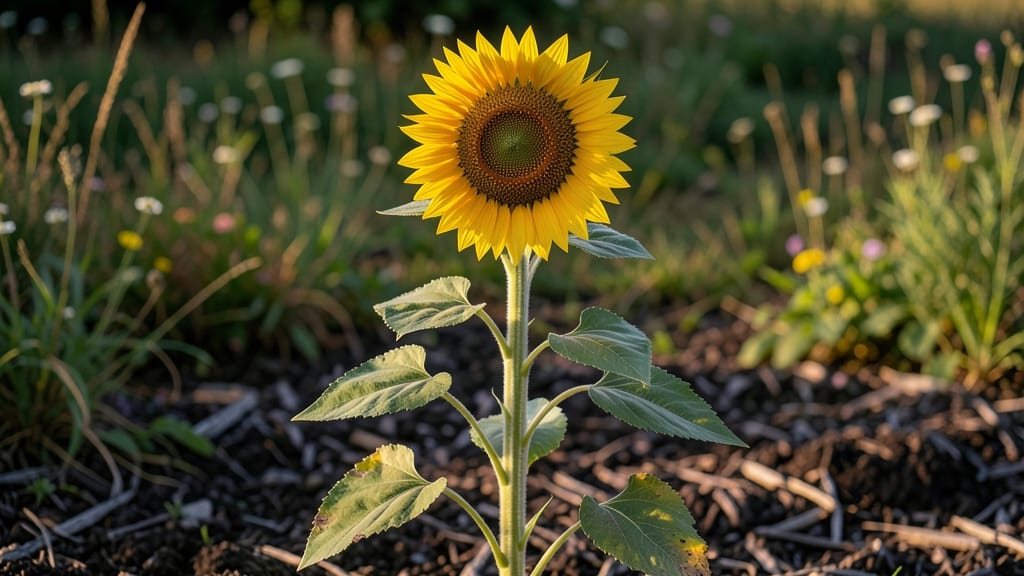
Did you know how tall are sunflowers can vary dramatically, with some reaching taller than a two-story building while others stay perfectly sized for small gardens? Understanding their heights is the key to choosing the perfect variety for your space, whether you're dreaming of towering 🌻 stalks or compact blooms.
Sunflowers aren't one-size-fits-all - their heights range dramatically from 2 feet to 16 feet, depending on the variety. The 'Teddy Bear' type stays cozy at just a few feet tall, while 'Mammoth' varieties can reach skyward.
This diversity means you can grow sunflowers in everything from urban balconies to rural fields.
What makes this even more exciting is how easily you can control their growth. With the right soil, sunlight, and spacing, you can encourage taller stems or keep them compact. I'll show you exactly how different varieties perform and what factors influence their final height.
Whether you're planning a dramatic backyard centerpiece or a space-saving container garden, knowing your sunflower's potential height will help you create the perfect display. Let's explore the fascinating world of sunflower sizes and how to get the most from your plants.

Sunflower height by variety: giant vs. dwarf chart for garden planning
Choosing the right sunflower variety is like picking the perfect skyscraper for your garden—some need skyscraper space while others thrive in cozy corners. The height differences between varieties can be dramatic, ranging from waist-high dwarfs to towering giants that dwarf even the tallest gardeners.
Understanding these variations helps you plan for sun exposure, wind resistance, and companion planting effectively.
Giant sunflowers can reach 12 to 16 feet, making them stunning focal points but requiring ample space and sturdy support. Meanwhile, dwarf varieties stay between 2 to 4 feet, perfect for containers or small gardens.
The key to maximizing your sunflower garden lies in selecting varieties that match your space and aesthetic goals while ensuring they get the 6-8 hours of sunlight they crave.
Below is a detailed comparison of sunflower varieties by height category, including their ideal growing conditions and space requirements. This chart will help you visualize how each variety fits into your garden layout and which types are best suited for your specific needs.
| Variety Type | Height Range | Examples | Space Needs | Ideal Use |
|---|---|---|---|---|
| Dwarf | 2-4 ft | 'Teddy Bear', 'Moulin Rouge', 'Puck' | 6-12 inches apart | Containers, borders, small gardens |
| Semi-Dwarf | 5-8 ft | 'Autumn Beauty', 'ProCut', 'Sunspot' | 18-24 inches apart | Cut flowers, mid-height borders |
| Standard | 8-12 ft | 'Russian Giant', 'Mammoth', 'Serenity' | 2-3 feet apart | Back of borders, focal points |
| Giant | 12-16 ft | 'Russian Mammoth', 'American Giant', 'Soraya' | 3-4 feet apart | Large gardens, fields, dramatic displays |
Dwarf sunflowers like 'Teddy Bear' are ideal for small gardens or container gardening. Their compact size makes them perfect for window boxes or patio planters, where space is limited.
These varieties typically bloom earlier than their taller counterparts, providing quick color and attracting pollinators like bees and butterflies to your garden.
Semi-dwarf varieties strike a balance, offering height without overwhelming space. Types like 'Sunspot' reach 5 to 8 feet and are excellent for cut flower gardens or as mid-height accents in mixed borders. They also require less staking than giant varieties, making them a low-maintenance choice for intermediate gardeners.
Standard sunflowers, such as 'Russian Giant', are the workhorses of the garden. Their 8 to 12-foot stature makes them perfect for creating dramatic focal points or lining pathways. These varieties are also popular for cut flower arrangements due to their long stems and vibrant blooms.
Plant them at the back of borders to ensure they don’t overshadow smaller plants.
For those with ample space, giant sunflowers like 'Russian Mammoth' can reach 14 to 16 feet, creating a stunning visual impact that rivals small trees. These varieties are best suited for large gardens, fields, or community gardens where their towering presence can be fully appreciated.
However, they require sturdy support to prevent toppling, especially in windy conditions.
When planning your sunflower garden, consider not just the height but also the growth habit of each variety. Some sunflowers grow single stems, while others produce multiple branches, which can affect their overall space requirements.
For example, 'ProCut', a semi-dwarf variety, produces multiple stems, making it ideal for bountiful cut flower harvests.
Another factor to consider is the maturity time of each variety. Dwarf sunflowers often mature faster, providing quicker color and blooms, while giant varieties may take longer to reach their full height and flower.
This timing can influence when you plant and how you stagger your sunflower varieties for a continuous bloom season.
Whether you're aiming for a whimsical cottage garden or a grand statement piece, selecting the right sunflower height will ensure your garden thrives with beauty and functionality. Use this chart as your guide to create a sunflower display that’s as practical as it is picturesque.
Factors that influence sunflower height (and how to optimize growth)
Sunflowers thrive on dramatic growth spurts, but their final height depends on more than just genetics. The right balance of soil quality, sunlight exposure, watering practices, and plant spacing can push them toward their full potential—or hold them back.
If you’re aiming for towering giant varieties or compact dwarf sunflowers, understanding these factors will help you fine-tune their growth.
Let’s break down the key variables that control sunflower height—and how you can optimize each one for your garden’s specific needs. Whether you’re dealing with stunted growth or unexpected sprawl, these actionable tips will keep your sunflowers on track.
🌱 Top 5 Factors Affecting Sunflower Height
- 🌿 Soil Quality: Nutrient-rich, well-draining soil with a pH of 6.0–7.5 fuels rapid growth. Amend with compost for taller stems and stronger roots.
- ☀️ Sunlight Exposure: 6–8+ hours of direct sun daily is non-negotiable. Less light = shorter, weaker stems. Use reflective surfaces (like white mulch) to boost light in shady spots.
- 💧 Watering Consistency: Deep watering every 3–5 days (1–2 inches per week) prevents stress. Overwatering causes root rot, while underwatering stunts growth. Mulch to retain moisture.
- 📏 Spacing & Support: Crowded plants compete for nutrients, leading to shorter, weaker stems. Space giants 18–24 inches apart; dwarfs need 12 inches. Stake tall varieties to prevent lodging.
- ✂️ Pruning & Maintenance: Remove side buds early to direct energy to the main stem. Deadhead spent blooms to encourage second flushes of growth in perennial varieties.
For taller sunflowers, focus on deep, fertile soil and full-sun exposure. If you’re growing in containers or small spaces, opt for dwarf varieties like ‘Teddy Bear’ (2–4 ft) and prune aggressively to control height.
Even with ideal conditions, some varieties—like ‘Russian Giant’—will naturally top 12–16 feet, while others stay under 3 feet.
Watch for signs of stunted growth, such as yellowing leaves (nutrient deficiency) or leaning stems (poor support). Adjust your care routine immediately: add a balanced fertilizer (10-10-10) for nutrient-deficient soil or install stakes/bamboo supports before stems weaken.
With the right approach, your sunflowers will reach their full height potential—whether you’re aiming for a backyard skyscraper or a container-friendly mini.
Pro tip: Track your sunflowers’ growth weekly. Use a measuring tape or ruler to monitor progress and tweak your methods as needed. The key to optimizing height lies in consistency—soil, sun, water, and space must all align for the best results.