
Flowers
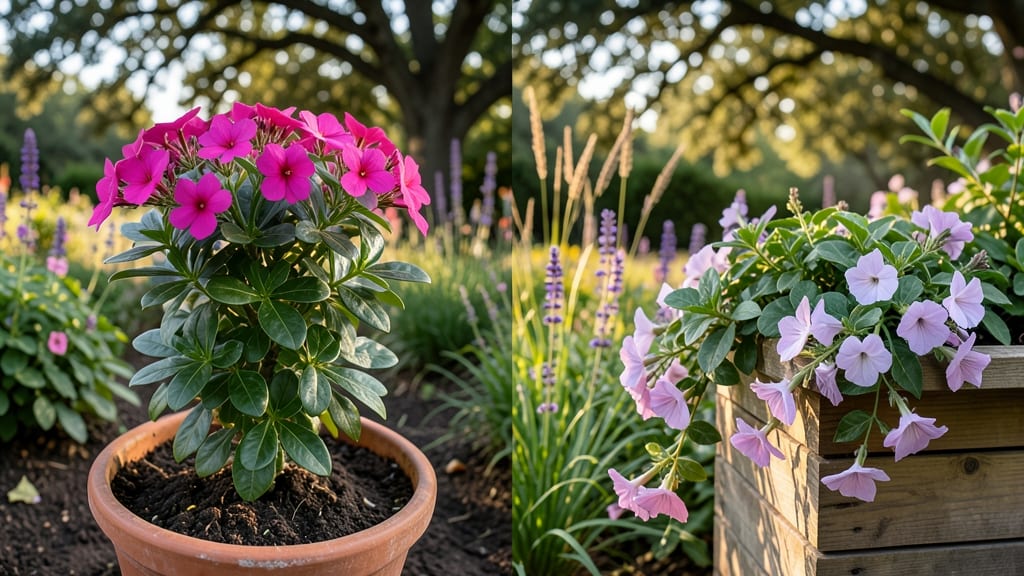
Deciding whether your vinca flowers 🌸 should bask in full sun or thrive in shade isn’t just about light—it’s about unlocking their full potential.
These hardy plants adapt beautifully, but their care shifts dramatically depending on whether they’re soaking up rays or basking in dappled shade, and getting it right means the difference between vibrant blooms and leggy, sparse growth.
If you’ve ever wondered why your vincas look lackluster or struggle to flower, the answer might be hiding in their light exposure.
I’ll break down exactly how sunlight—or the lack of it—reshapes their growth, from leaf color to bloom intensity, so you can tweak your care routine for year-round color that impresses every season.
From sun-loving varieties that burst with color to shade-tolerant types that keep their cool, we’ll cover soil tricks, watering hacks, and pruning secrets tailored to your garden’s lighting.
Whether your vincas are sprawling in a sunny border or tucked under a tree, you’ll learn how to keep them happy—and blooming—no matter where they call home.
Ready to transform your vincas from “meh” to “wow”? Let’s dive into the light-specific care that’ll have your garden buzzing with low-maintenance beauty all year long.
 Best Window Placement
How sunlight affects Vinca flower growth and blooming patterns
Vinca flowers adapt beautifully to varying light conditions, but their growth habits and blooming intensity shift dramatically based on sunlight exposure. In full sun, these plants develop brighter blooms and more robust foliage, while partial shade encourages lush, trailing growth with softer colors.
Understanding these differences is key to maximizing your vinca's potential year-round.
For Vinca major (periwinkle), 6+ hours of direct sun per day yields vibrant pink, purple, or white flowers and prevents leggy stems. Meanwhile, Vinca minor (creeping myrtle) thrives in morning sun with afternoon shade, producing dense ground cover with clusters of delicate blooms.
Let’s explore how to optimize their care based on your garden’s light conditions.
| Factor | Full Sun (6+ Hours) | Partial Shade (3-6 Hours) |
|---|---|---|
| Bloom Intensity | ⭐⭐⭐⭐⭐ (Brightest) | ⭐⭐⭐ (Moderate) |
| Leaf Color | Deep green | Lighter green |
| Growth Habit | Compact, upright | Trailing, sprawling |
| Water Needs | Moderate (dries faster) | Consistent (soil stays moist) |
| Best Varieties | 'Alba', 'Rosea' | 'Illumination', 'Silver Dust' |
| Seasonal Adjustments | Mulch in summer | Prune leggy stems |
In full sun, vinca flowers produce more abundant blooms but require well-draining soil to prevent root rot from heat stress. I’ve noticed that Vinca major in my south-facing garden bed blooms nearly year-round, with pink flowers lasting from spring to fall.
The trade-off? Leaves may scorch if afternoon sun is intense—always provide afternoon shade in USDA zones 8-10.
Conversely, partial shade (3-6 hours of sunlight) softens vinca’s growth, making it ideal for woodland gardens or understory plantings. Here, Vinca minor spreads aggressively, creating a lush green carpet with smaller, pastel blooms.
To boost flowering in shade, I fertilize lightly in spring with a 10-10-10 balanced formula and prune back leggy stems to encourage bushier growth.
Seasonal adjustments are critical for vincas in transition zones. In spring, vincas in full sun benefit from morning watering to reduce evaporation, while shade-grown plants need consistent moisture to prevent wilting.
By late summer, I reduce watering slightly for sun-exposed vincas to harden them off before fall dormancy.
Watch for leaf color changes as a sign of light stress. Yellowing leaves in full sun often indicate overheating, while pale, sparse foliage in shade suggests insufficient light.
I’ve found that Vinca 'Illumination', with its variegated foliage, thrives in dappled shade but struggles in deep shade, where its white leaf edges fade.
For container gardening, vincas in full sun need larger pots (12+ inches) with drainage holes to prevent root rot. In shade, smaller containers (8-10 inches) work well, as they retain moisture longer.
I’ve had success growing Vinca 'Silver Dust' in hanging baskets near east-facing windows, where it receives gentle morning light.
Pro tip: Rotate containers every few weeks to ensure even sunlight exposure, preventing one
Shade-tolerant Vinca care: soil, water, and pruning tips for low-light gardens
Growing vincas in shade might seem tricky, but with the right approach, you’ll unlock their full potential for lush foliage and steady blooms. These shade-lovers thrive when given the right conditions—think moist, well-draining soil enriched with organic matter and a gentle watering routine that mimics their natural habitat.
Unlike their sun-happy cousins, shade vincas focus more on leafy growth than dramatic flowers, but with a few tweaks, you can still enjoy vibrant color year-round.
One of my favorite shade vincas, Vinca major (periwinkle), spreads beautifully under trees or along shady borders, but only if the soil stays consistently moist. The key is balancing moisture without drowning the roots—overwatering in shade is a common pitfall that leads to root rot.
Let’s dive into the soil, water, and pruning secrets that’ll keep your shade vincas thriving, even when sunlight is scarce.
⚠️ WARNING: Shade vincas hate soggy soil!
Even in low light, vincas need well-draining soil to prevent root rot. If your garden soil is heavy clay, amend it with compost or perlite (1 part compost to 3 parts soil).
Avoid planting vincas in spots where water pools after rain—elevated beds or sloped areas work best. A quick soil test for pH between 6.0 and 7.0 ensures optimal nutrient uptake, too.
Start by amending your garden soil with 2-3 inches of compost or well-rotted manure before planting. This boosts organic matter, which helps retain moisture while improving drainage—a must for shade vincas. If you’re container gardening, use a lightweight potting mix with added perlite or sand to prevent compaction.
Mulch with 2-3 inches of shredded bark or pine needles to keep roots cool and conserve moisture, especially in hot, shady spots.
Watering shade vincas requires a delicate touch. Unlike sun-loving varieties, they prefer consistent moisture but can’t handle soggy conditions. Water deeply once a week during dry spells, aiming for 1 inch of water per week. In deep shade or containers, you may need to water every 5-6 days.
Always water at the base of the plant in the morning to reduce fungal risks. Let the top 1-2 inches of soil dry out between waterings—this prevents root suffocation while keeping leaves lush.
Pruning shade vincas isn’t just about tidying up—it’s about encouraging bushier growth and more blooms. In early spring, trim back any woody or leggy stems by one-third to promote new growth. Throughout the growing season, pinch back tips of new shoots to encourage branching.
After flowering, cut back spent blooms to redirect energy into foliage. Avoid heavy pruning in fall, as this can stress shade-adapted vincas preparing for dormancy.
Watch for signs of nutrient deficiencies in shade vincas, like pale yellow leaves (nitrogen deficiency) or stunted growth (phosphorus shortage). Feed lightly with a balanced 10-10-10 fertilizer in spring and again after mid-summer blooms.
In containers, fertilize every 4-6 weeks during the growing season. Remember, shade vincas are low-maintenance—over-fertilizing can harm them, so always follow the “less is more” rule.
With the right soil, water, and pruning routine, your shade vincas will reward you with dense foliage and steady blooms all season long. Whether they’re creeping under a tree or spilling over a container, these resilient plants prove that even low-light gardens can burst with color—no sun required!