
Flowers
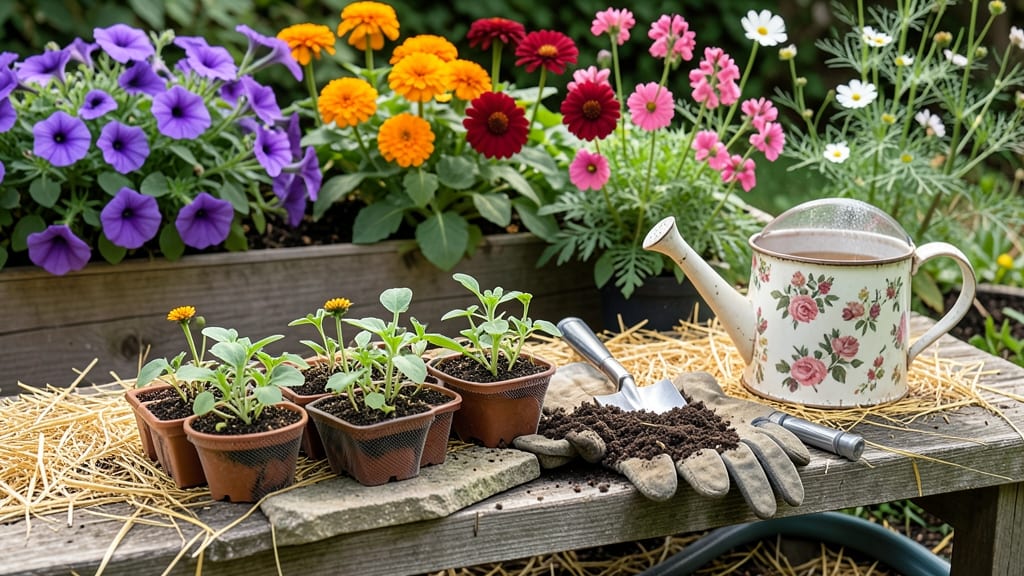
Timing your flower planting in Colorado can feel like solving a puzzle—get it wrong, and your 🌸 might wilt before they even take root. The key isn’t just knowing when to plant, but understanding how elevation and microclimates shift those dates dramatically across the state.
From Denver’s Front Range to the high plains, last frost dates vary by weeks, and soil temperatures matter just as much as calendar months. Whether you’re prepping for spring blooms or fall perennials, I’ll break down the exact windows that work for your specific zone—no guesswork required.
You’ll discover how to adjust for urban heat islands, high-desert valleys, and alpine gardens, plus which flowers thrive in Colorado’s extremes. Let’s turn your garden into a year-round showstopper with the right timing and prep.
Ready to plant with confidence? I’ll walk you through soil prep, frost dates, and even container gardening hacks for city dwellers. Your vibrant garden starts with the right move—here’s how to make it happen.
Colorado flower planting calendar by elevation zones (2024)
Colorado’s dramatic elevation changes—from 5,280 feet in Denver to over 14,000 feet in the mountains—create wildly different planting windows. What thrives in Zone 5 on the Front Range may freeze in Zone 7 on the Western Slope.
To avoid frost damage, align your planting with last-frost dates and microclimate adjustments.
Spring is the prime time for most flowers, but fall planting (6-8 weeks before first frost) gives perennials a head start. For example, Denver’s last frost averages April 15, while Aspen’s can linger until May 10.
Mountain gardens (Zone 4-5) often wait until late May to avoid late snow.
Use this elevation-based guide to pinpoint your planting window. Whether you’re in Boulder’s urban heat island or Telluride’s alpine zone, timing is everything for vibrant blooms.
For annuals like marigolds or zinnias, wait until soil temperatures hit 50°F (use a soil thermometer). Cold-hardy perennials such as coneflowers or lavender can go in 2–4 weeks earlier than tender varieties. Always check microclimates: a south-facing wall may warm up faster than open ground.
Bulbs are a special case—plant tulips and daffodils in fall (October–November) for spring blooms, but high-altitude gardens may wait until late October to avoid frost heave. Summer-blooming bulbs like dahlias go in after last frost.
Urban gardeners in Denver or Colorado Springs can push spring planting 1–2 weeks earlier thanks to urban heat islands. Conversely, mountain valleys like Parker may need to delay until mid-May due to late frosts. Always monitor weather forecasts and have frost cloth ready.
Fall planting is your secret weapon for perennials and cool-season annuals. Start 6–8 weeks before first frost—for Denver, that’s August 15–September 15. Pansies, snapdragons, and kale thrive when planted in fall, blooming beautifully until winter’s end.
Pro tip: Use hardiness zone maps (USDA or Colorado State University’s) to fine-tune your timing. For example, Zone 6 in Fort Collins has a longer growing season than Zone 5 in Leadville, even at similar elevations. Adjust for
How to adjust planting dates for Colorado’s microclimates
Colorado’s microclimates can shift planting windows by weeks—even just a few miles up or down in elevation. In Denver’s urban heat islands, sidewalks and buildings trap warmth, letting you plant marigolds or zinnias 2-3 weeks earlier than in nearby high-desert valleys like the San Luis Valley.
Meanwhile, alpine gardens above 10,000 feet may need to wait until June 1 for frost-free soil.
Your first step is soil temperature testing. Use a soil thermometer—50°F is the magic number for most flowers, but cold-hardy varieties like sweet peas can handle 40°F.
In Boulder’s foothills, this might mean planting in mid-April, while Grand Junction’s Western Slope could be ready by March 15.
Wind protection is non-negotiable in Colorado’s exposed areas. Use windbreaks like tall grasses or lattice fences to shield delicate flowers like petunias. In Fort Collins, this can add 10–14 days of usable growing time.
For containers, move pots to sheltered spots during afternoon winds—they dry out 3x faster in exposed urban areas.
Finally, adjust for fall planting. In Zone 5 (e.g., Steamboat Springs), aim for August 1–15 to establish roots before frost. Use cold-hardy annuals like pansies or stock, which bloom until snowfall. For perennials, divide and transplant in early September to avoid winter dieback.
With these tweaks, your Colorado garden will bloom earlier, longer, and more reliably—no more guessing games. Start small, test your microclimate’s quirks, and soon you’ll have a year-round floral display that thrives in the Rockies. 🌿