
Flowers
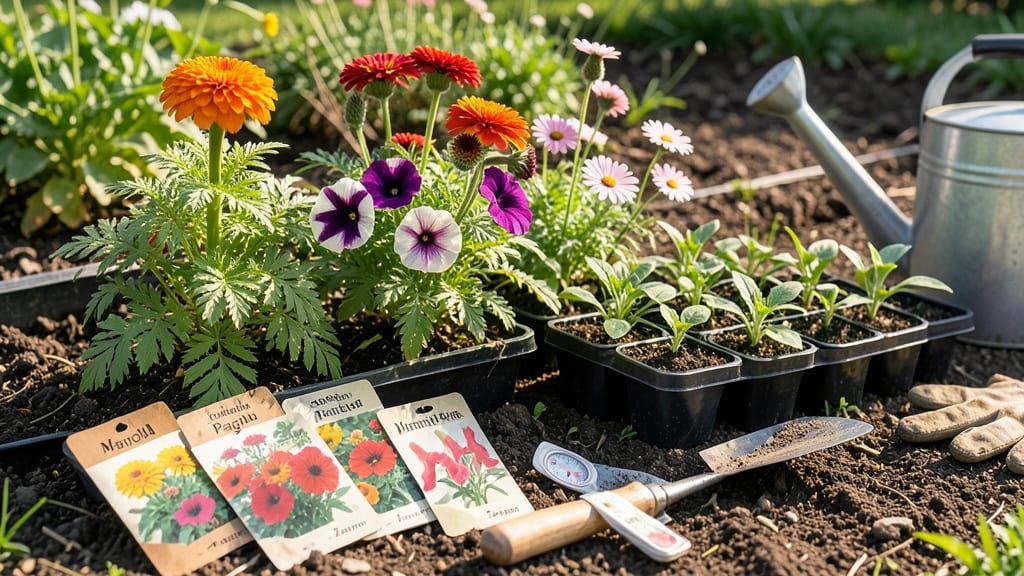
When to plant flower seeds in Colorado isn’t just about following a calendar—it’s about outsmarting the state’s unpredictable frost dates and elevation swings.
Plant too soon in Denver’s lowlands, and a late freeze will wipe out your seedlings; wait too long in the high country, and your blooms may never catch up. The key is knowing your elevation zone and adjusting your schedule accordingly.
Most Colorado gardeners in zones 5-7 can start flower seeds indoors by mid-March for spring blooms, but high-altitude areas above 7,000 feet often need a 2-3 week delay.
Direct sowing outdoors typically begins after your last frost—usually mid-April to early May—but this shifts dramatically depending on whether you’re in the Front Range or the Western Slope.
Whether you’re dreaming of vibrant cosmos along your porch or hardy delphiniums in your mountain garden, getting the timing right means fewer disappointments and more reliable blooms.
I’ll break down the exact windows for your elevation, plus the best frost-resistant varieties to plant, so you can enjoy a garden that thrives year after year.
Ready to skip the guesswork? Let’s dive into the elevation-specific planting schedule that’ll have your Colorado garden bursting with color—without the frost-related heartbreak.
Colorado’s flower seed planting calendar by elevation zones (with frost-date adjustments)
Colorado’s elevation zones create wildly different planting conditions. At 3,000 feet, your last frost might be April 15, while at 8,000 feet, you could still see frost in June.
This guide breaks down indoor starts and direct sowing windows for three key elevations, plus frost-sensitive varieties that thrive in each zone.
For low elevations (3,000–5,000 ft), like Denver or Colorado Springs, you’ll have a longer growing season but hotter summers. Mid-elevations (5,000–7,000 ft)—think Fort Collins or Boulder—offer cooler temps but shorter seasons.
High elevations (7,000+ ft) demand earlier starts and cold-hardy picks like delphiniums or larkspur.
Use this elevation-specific calendar to time your flower seed starts perfectly. For example, cosmos and zinnias can handle late sowing, while snapdragons need early starts. Always check your local last frost date—Colorado’s can vary by 2–4 weeks between valleys and mountains.
At low elevations, start cosmos seeds indoors in early February for blooms by June. Direct-sow zinnias after May 15, when soil warms to 55°F. For mid elevations, begin snapdragons indoors by late February—these need 10 weeks to mature before frost risks subside.
High-elevation gardeners should prioritize cold-tolerant varieties like larkspur, which can handle light frosts. Start these indoors by March 15 and transplant after July 1. Use row covers to extend your season if you’re eager for delphiniums or aster blooms.
Pro tip: Adjust for microclimates. A south-facing slope warms faster than a north-facing yard, so delay sowing by 1–2 weeks in shaded spots. Always test soil temperature with a seedling heat mat—50°F is the minimum for most annual flowers.
Fall planting is also key in Colorado. Sow hardy annuals like pansies or calendula in late summer (August–September) for winter color. These thrive with 6–8 weeks of cool-season growth before frost.
Remember: Colorado’s frost dates shift yearly. Check the National Weather Service or your local Cooperative Extension for updates. With this calendar, you’ll avoid the #1 mistake: planting too early and losing seedlings to frost.
🌱
Best flower seeds for Colorado’s climate: heat-tolerant, drought-resistant, and cold-hardy picks
Colorado’s dry air and temperature swings demand flowers that balance heat tolerance with cold resilience. My top picks thrive in USDA Zones 5-7, from Denver’s urban gardens to mountain valleys. These varieties handle low humidity and intense sun while requiring minimal watering once established.
For low-elevation gardens (3,000–5,000 ft), focus on drought-resistant annuals like blanket flower and yarrow. In high-altitude zones (7,000+ ft), cold-hardy perennials such as black-eyed Susan and columbine shine. Below, I’ve curated a list of high-performing seeds with soil prep and spacing tips tailored to Colorado’s microclimates.
Heat-tolerant annual with red/yellow blooms. Thrives in full sun and poor soil. Spacing: 12–18" apart.
Before planting, amend your soil with compost to improve drainage—critical for Colorado’s clay-heavy soils. For annuals, sow seeds ¼ inch deep after the last frost date (typically mid-April in low elevations). Perennials like columbine can handle early spring sowing or fall planting for established roots.
To maximize blooms, deadhead spent flowers regularly and mulch with gravel or straw to conserve moisture. My yarrow and blanket flower plants return year after year with minimal care, proving Colorado’s harsh conditions can yield stunning gardens when you choose the right seeds.
For container gardens, opt for compact varieties like petunias or marigolds. These thrive in small spaces and urban balconies, adding color without competing for water in drought-prone areas. 🌻