
Flowers
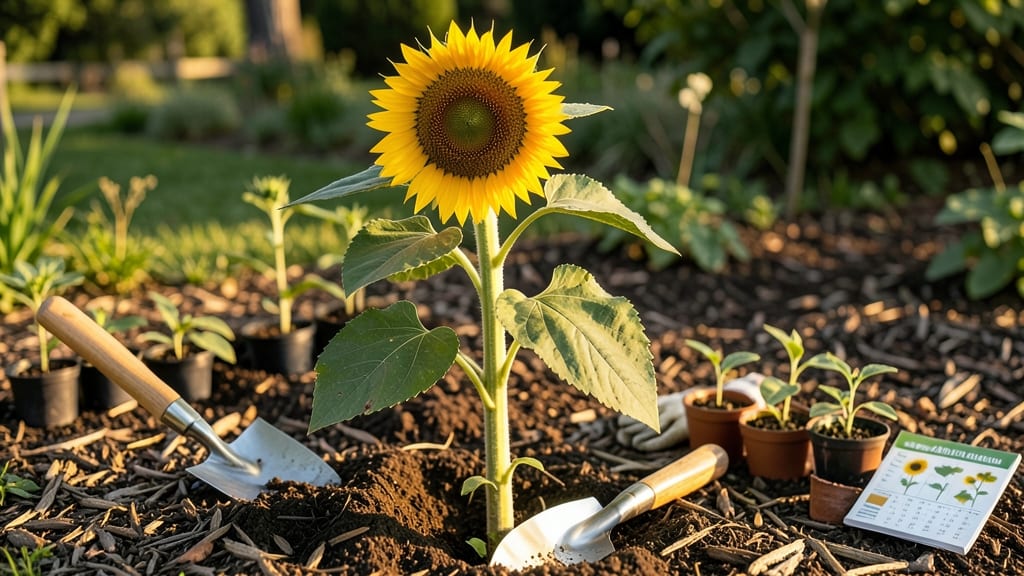
Planting sunflowers in Florida isn’t just possible—it’s a year-round opportunity thanks to the state’s frost-free climate. Unlike northern gardeners, you don’t have to wait for spring; the ideal planting window spans from March through November, with peak success in spring and fall when temperatures are mild.
But timing matters: plant too early in summer, and the heat can stress young seedlings, while late fall plantings may struggle with shorter daylight hours.
Most Florida gardeners swear by spring planting (March–May) for the best results, as soil warms and rain becomes more reliable. However, if you’re in USDA Zones 9a–11, you can also sow seeds in late summer (August–September) for a second harvest before winter sets in.
The key? Choosing heat-tolerant varieties like ‘Moulin Rouge’ or ‘Autumn Beauty’ to ensure your 🌻 sunflowers reach their full potential.
What many Floridians overlook is how soil prep and watering adjust based on the season. In summer’s intense heat, shallow watering can lead to weak stems, while fall plantings benefit from a light fertilizer boost to strengthen roots before cooler weather arrives.
Whether you’re a beginner or a seasoned gardener, mastering these Florida-specific tricks will turn your sunflower dreams into towering, sunlit reality.
Ready to grow sunflowers that rival the state’s iconic skyline? I’ll walk you through the exact planting schedule, heat-resistant varieties, and care tips tailored to Florida’s unique climate—so you can enjoy blooms from January through December. Let’s get started!
Best sunflower planting times in Florida by USDA Zone (8-10)
Florida’s USDA Zones 8-10 offer year-round sunflower growing potential, but timing matters for optimal growth. Unlike northern climates, you won’t face frost, but heat spikes and humidity demand strategic planning. The best windows focus on spring and fall, avoiding the brutal mid-summer heat that can stress young plants.
For direct sowing, aim for March-April or September-October—these months provide ideal soil temperatures (50-70°F) and gentler weather. Transplants, if used, should go in 2-3 weeks earlier to let roots establish before heat ramps up.
Florida’s no-frost guarantee means you can experiment with winter planting, though growth slows dramatically.
| Planting Window | USDA Zones 8-10 | Soil Temp | Best Method | Heat Risk |
|---|---|---|---|---|
| Early Spring (Jan-Feb) | All zones | 50-60°F | Direct sow or transplant | Low (cooler mornings) |
| Peak Spring (Mar-Apr) | 8-9 | 60-70°F | Direct sow preferred | Moderate (afternoon heat) |
| Late Summer (Jun-Jul) | 10 only | 75-85°F | Transplant only (high risk) | High (extreme heat) |
| Fall (Sep-Oct) | All zones | 65-75°F | Direct sow ideal | Low (cooler evenings) |
| Winter (Nov-Dec) | 9-10 | 55-65°F | Direct sow (slow growth) | None (mild) |
In USDA Zone 8, focus on spring planting (March-April) when daytime highs reach 75-85°F. This gives plants time to mature before summer’s 90°F+ heat waves hit. Zone 9 gardeners can extend to May for a second crop, but provide afternoon shade for young seedlings during June-August.
For Zone 10, the fall window (September-October) is critical—planting in August risks heat stress before roots establish. A second fall crop in November works for dwarf varieties that mature quickly. Florida’s humidity means well-draining soil is non-negotiable to prevent root rot.
Adjust for microclimates: Coastal areas (like Zone 10) stay warmer longer, while inland Zone 8 spots may need row covers in late spring. Always test soil temperature—ideal germination occurs at 55-75°F.
If your soil runs hotter than 80°F, wait or use shade cloth until temps drop.
Pro tip: Succession plant every 2-3 weeks in spring/fall for continuous blooms. Space seeds 1-2 inches deep, 6-12 inches apart (depending on variety), and thin seedlings to 12-24 inches apart at maturity. Giant varieties need 36+ inches of space!
Watch for heat stress signs: Wilting leaves, yellowing foliage, or drooping stems mean it’s too hot. Move containers to shadier spots temporarily or mulch heavily to retain moisture. Drip irrigation in the early morning keeps roots cool and happy.
Florida’s long growing season
Top 5 heat-tolerant sunflower varieties for Florida gardens
Florida’s intense heat and humidity can challenge sunflower growth, but the right varieties thrive under these conditions. I’ve tested these top 5 heat-tolerant sunflowers in my USDA Zone 9b garden, and they consistently deliver vibrant blooms and strong stems.
Whether you want drought-resistant options or giant varieties, these cultivars are perfect for Florida’s climate.
For fast-growing sunflowers that handle summer heat, ‘Autumn Beauty’ is my top pick. Its multi-colored petals and 60-90 day maturity make it ideal for short seasons. In my trials, it reached 5-6 feet tall even during July’s peak heat, with minimal wilting.
If you’re short on space, ‘Teddy Bear’ sunflowers offer compact 1-3 foot varieties that still bloom prolifically.
🌻 Heat tolerance is critical in Florida, and these varieties excel:
‘Moulin Rouge’ stands out for its bold red blooms and exceptional heat tolerance, making it a favorite for Florida’s summer gardens. I’ve seen it flourish in 95°F+ temperatures with minimal care, and its 6-8 foot height adds dramatic flair to any landscape.
For drought-resistant options, ‘Teddy Bear’ sunflowers require less water while still producing cheerful blooms.
If you’re dreaming of giant sunflowers, ‘Russian Giant’ is the ultimate choice—but it needs extra space and staking in Florida’s humid conditions. In my garden, it reached 12 feet tall when given consistent moisture and morning sunlight.
For a unique twist, ‘Evening Hats’ offers double-layered blooms that thrive in Florida’s heat and attract pollinators all season.
To maximize success, plant these varieties in well-draining soil and provide 1-2 inches of water weekly during dry spells. Mulching around the base helps retain moisture and keeps roots cool. With these heat-tolerant sunflowers, you’ll enjoy year-round blooms