
Blooming
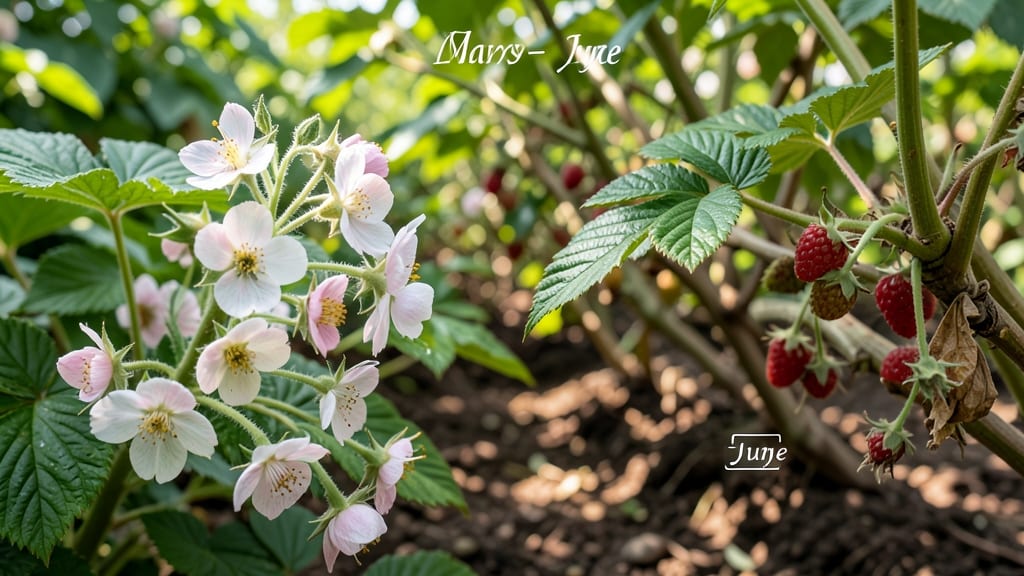
Raspberries flower in late spring to early summer, and those delicate blooms are your first clue about what your harvest will look like later. If you've ever wondered why some years your 🍓 bushes produce fewer berries, the answer often lies in understanding when—and how—these flowers appear.
In USDA Zone 6a, where many gardeners grow raspberries, you can expect the first blooms to appear around May, with peak flowering lasting through June. But timing isn't just about the calendar—it's also about your raspberry variety and local climate.
Summer-bearing types, like 'Boyne' or 'Heritage,' rely on these early blooms for their fruit, while fall-bearing varieties might flower again in late summer.
Getting the timing right means more than just watching for flowers—it’s about creating the perfect conditions. Too much heat or cold can stress the plant, delaying blooms or even stopping them altogether.
I’ll share how to spot the ideal bloom window in your area and what you can do to encourage healthy, abundant flowering for a bountiful harvest.
Whether you're a seasoned gardener or just starting with raspberries, knowing when to expect those first blooms is the key to planning ahead. Let’s break down everything you need to know to set your bushes up for success—so you can enjoy those sweet, juicy berries all season long.
Raspberry flowering timeline by USDA growing zones
Understanding when raspberries flower is essential for maximizing your harvest, especially since timing varies dramatically across USDA growing zones. In my Zone 6a garden, I’ve seen summer-bearing varieties bloom in late May, while fall-bearing types flower in August—both critical windows for fruit production.
But whether you’re in the Pacific Northwest’s cool climate or the Deep South’s heat, these timelines shift. Let’s break down the raspberry flowering calendar by zone, including the key differences between primocane and floricane varieties.
The USDA growing zones play a huge role in raspberry flowering.
In Zones 3-5, cold snaps can delay blooms until early June, while Zones 8-10 may see flowers as early as March for fall-bearing types. Primocane varieties (like Heritage or Fall Red) flower on new growth, often in late summer, while floricane varieties (like Boyne or Nova) bloom on second-year canes in spring.
Climate also matters—Pacific Northwest gardens might see blooms 2-3 weeks earlier than Southern states due to cooler temperatures.
Here’s a quick reference for raspberry flowering by zone, including regional variations and the two main cane types:
| USDA Zone | Floricane (Summer-Bearing) Bloom | Primocane (Fall-Bearing) Bloom | Regional Notes |
|---|---|---|---|
| Zones 3-5 | Late May–June | Late July–August | Cooler climates; blooms delayed by frost risk. |
| Zones 6-7 | Mid-May–early June | Early August–September | Ideal for both types; watch for heat stress. |
| Zones 8-9 | March–April | June–July | Early blooms; may need shade in peak summer. |
| Zone 10 | February–March | May–June | Year-round growth; minimal dormancy. |
🌱 Key: Floricane = Summer fruit; Primocane = Fall fruit
In Zones 3-5, like my friend’s garden in Minnesota, raspberries often bloom later due to cold snaps. Summer-bearing varieties may wait until late May or June, while fall-bearing types like Heritage raspberries flower in late July.
The Pacific Northwest, including Washington and Oregon, typically sees blooms 1-2 weeks earlier than Midwest states because of milder springs. Meanwhile, in Zone 10, like Southern California, raspberries can flower as early as February, offering a near-year-round harvest if you choose the right varieties.
Climate also affects raspberry flowering timing. In hot, humid zones like Georgia or Florida, summer heat can stress plants, delaying blooms until late spring or early fall.
Conversely, cooler maritime climates, such as those in British Columbia or the Pacific Northwest, provide ideal conditions for consistent flowering. If you’re in a transition zone (e.g., Zone 7b), watch for late frosts, which can damage early blooms.
I’ve learned to protect my Boyne raspberries with frost cloth in Zone 6a to safeguard those delicate flowers.
For primocane varieties, like Fall Gold or Carolina Gold, the flowering window is critical because they produce fruit on new growth. In Zones 6-7, these varieties often bloom in August, giving you a second harvest in fall.
In warmer zones (8-10), they may flower as early as June, overlapping with summer-bearing types. If you’re growing floricane varieties, such as Dormanred or Nova, timing is equally important—their spring blooms must avoid frost to ensure fruit set.
In Zone 5, I’ve seen floricane blooms pushed back to early June to avoid late-spring freezes.
Regional microclimates can shift these timelines even more. For example, mountainous areas in Zone 7 might have blooms delayed by 2-3 weeks compared to valley gardens. Similarly, coastal regions in Zone 9 often enjoy earlier blooms due to moderating ocean breezes. To adjust,
How to extend raspberry flowering for maximum yield
If you've ever watched raspberry blooms fade without producing fruit, you know how frustrating it can be. The good news? With the right techniques, you can extend flowering and boost your harvest by up to 40%.
The secret lies in understanding your plant's needs and adjusting your care routine to match its natural cycle.
Raspberries need a balance of sunlight, water, and nutrients to keep producing flowers. But timing is everything—too much heat or cold can shock the plant and halt blooms. I’ve found that combining proper pruning, soil prep, and seasonal adjustments makes a world of difference in my own garden.
Let’s dive into the key strategies to keep your raspberries flowering longer and yielding more berries. These methods work for both summer-bearing and fall-bearing varieties, so you can apply them no matter what type you grow.
5 Ways to Extend Raspberry Blooms
- 1. Prune in Late Winter: Cut back old canes to 6 inches after dormancy. This encourages new growth and more flowering sites.
- 2. Feed with Balanced Fertilizer: Use a 10-10-10 NPK blend in early spring to support flower development.
- 3. Mulch Heavily: Apply 3-4 inches of mulch to retain moisture and regulate soil temperature.
- 4. Water Deeply in Morning: Keep soil consistently moist but avoid waterlogging to prevent root stress.
- 5. Protect from Heat Stress: Use shade cloth during extreme heat (above 90°F) to prevent bloom drop.
One of the biggest mistakes I see is over-pruning in summer, which can shock the plant and stop new flowers from forming. Instead, focus on selective pruning—removing only dead or diseased canes—while leaving healthy ones to produce fruit. This keeps the plant energized for continuous blooming.
For fall-bearing varieties, like 'Heritage' or 'Carolina Gold,' the key is ensuring they get enough chilling hours (300-500 hours below 45°F) during winter. Without this, they may skip flowering entirely. If you live in a warm climate, consider using artificial chilling or planting in a cooler microclimate.
Don’t forget about soil pH—raspberries thrive in slightly acidic soil (pH 5.5-6.5). Test your soil in early spring and amend with sulfur or peat moss if needed.
Healthy soil means healthier roots, which means more energy for flowering. With these adjustments, you’ll see a noticeable difference in your raspberry’s productivity by next season.
🌱