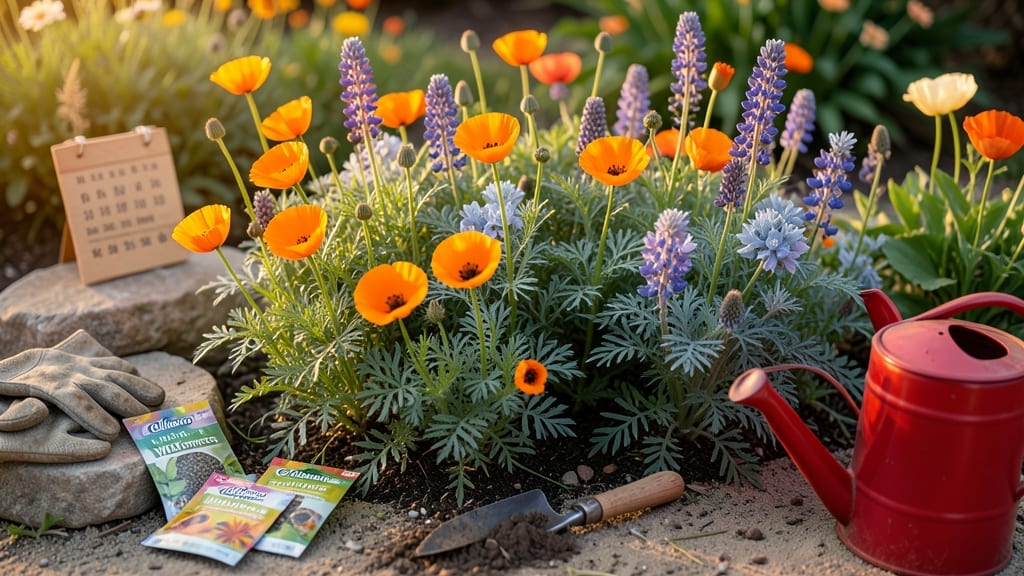
Planting flowers in California isn't as simple as tossing seeds into the ground in spring—your location’s microclimate can make or break your blooms. Whether you're in foggy coastal areas or the scorching Central Valley, timing matters more than you think.
One wrong move, and your vibrant 🌱 flowers could wilt before they even sprout.
I’ve spent years watching gardens thrive (and fail) across the state, and the key difference? Knowing exactly when to plant for your specific zone. Coastal gardeners can start earlier than inland growers, while desert regions play by their own rules.
Let’s break down the perfect planting windows so you can enjoy nonstop color without the guesswork.
From drought-resistant natives to cool-season favorites, we’ll cover what to plant and when—plus how to adjust for late frosts in unexpected pockets. Ready to turn your yard into a year-round paradise? Let’s get started with the exact months that work for your corner of California.
Whether you’re a first-time gardener or a seasoned pro, these insights will help you skip the trial-and-error phase. No more waiting until it’s too late—just vibrant, healthy flowers that bloom on schedule. Let’s make your garden the envy of the neighborhood.
Jan
❄️
Feb
❄️
Mar
🌱
Apr
🌱
May
🌱
Jun
🌱
Jul
☀️
Aug
☀️
Sep
🍂
Oct
🍂
Nov
🍂
Dec
❄️
California’s 5 flower planting zones by microclimate (with exact months)
California’s microclimates create wildly different growing conditions—from the coastal fog of San Francisco to the scorching desert of Palm Springs. Your flower planting schedule must adapt to these extremes.
Unlike most states, California’s USDA zones don’t tell the full story because local weather anomalies (like Santa Ana winds or coastal upwelling) can shift frost dates by weeks.
I’ve broken down the five key microclimates where gardeners plant flowers: coastal, valley, desert, mountain, and high-desert. Each has its own frost-free window for annuals, perennials, and bulbs.
For example, coastal areas like Santa Barbara can plant spring bulbs in November, while desert regions like Joshua Tree wait until February.
Here’s the critical rule: Plant annuals after your last frost date and perennials 4-6 weeks before the first frost. But California’s frost dates vary wildly—even within a single county. Use this guide to align your flower planting calendar with your local microclimate for zero-frost stress.
Pro Tip: For bulbs like tulips or daffodils, plant them 6-8 weeks before the ground freezes in your zone. In coastal areas, that’s November-December; in the Central Valley, it’s October-November. Desert regions? Wait until December.
| Microclimate |
Last Frost Date |
First Frost Date |
Best Time to Plant Annuals |
Best Time to Plant Perennials |
Bulb Planting Window |
| Coastal (e.g., San Francisco, Santa Barbara) |
Mid-December |
Late January |
February-March |
September-October |
November-December |
| Valley (e.g., Sacramento, Fresno) |
Mid-January |
Mid-December |
March-April |
August-September |
October-November |
| Desert (e.g., Palm Springs, Joshua Tree) |
Never (or late Dec) |
Never (or late Dec) |
February-March |
September-October |
December-January |
| Mountain (e.g., Lake Tahoe, Sierra Foothills) |
Late April |
Mid-October |
May-June |
April-May |
September-October |
| High Desert (e.g., Bishop, Ridgecrest) |
Late March |
Mid-November |
April-May |
March-April |
Best flowers to plant by season in California (with frost-alert timing)
California’s seasonal shifts can be tricky—what thrives in coastal San Francisco might freeze in Sacramento’s late spring. My secret? Planting drought-tolerant natives and heat-loving annuals at the right time ensures blooms all year. Even in frost-prone areas like the Sierra foothills, the right schedule keeps your garden vibrant.
Let’s start with cool-season bloomers like snapdragons and pansies, which love fall planting (September-October) and early spring (February-March). These tough beauties handle light frosts and even coastal fog. Meanwhile, heat-loving annuals like zinnias and marigolds wait until April-May when soil warms.
For drought-resistant natives, timing matters less—but watering does. California poppies and lupines seed in late fall (November) for spring blooms, while buckwheats thrive with summer planting (June-July). These low-water wonders are perfect for Central Valley or desert gardens.
-
🌱 Spring (March-May) – Heat-lovers: Zinnias, Marigolds, Sunflowers (wait until soil warms after last frost).
-
🌿 Summer (June-August) – Drought-tolerant: California Fuchsia, Blanket Flower, Desert Marigold (plant after June Solstice).
-
🍂 Fall (September-October) – Cool-season: Snapdragons, Pansies, Sweet Peas (plant 6-8 weeks before first frost).
-
❄️ Frost Alert – Sierra Foothills/Valley: Wait until May 15 for annuals (late frosts common!).
Pro tip: Use mulch to protect tender perennials like lavender or rosemary during unexpected cold snaps. I’ve seen 30°F nights in April wipe out unprotected plants—don’t let that happen to you!
For bulbs, like tulips or daffodils, plant in fall (October-November)—they need cool winter dormancy to bloom. But skip tropical bulbs (like canna lilies) in frost zones—they’re summer-only stars.
Adjust for your local frost date: Check USDA Zone 8-10 maps, but remember—elevation changes everything. A 5,000-foot valley might frost 2 weeks later than a coastal plain. When in doubt, start seeds indoors 6-8 weeks before your last frost.
★★★★★4.8(12 reviews)
|