
Flowers
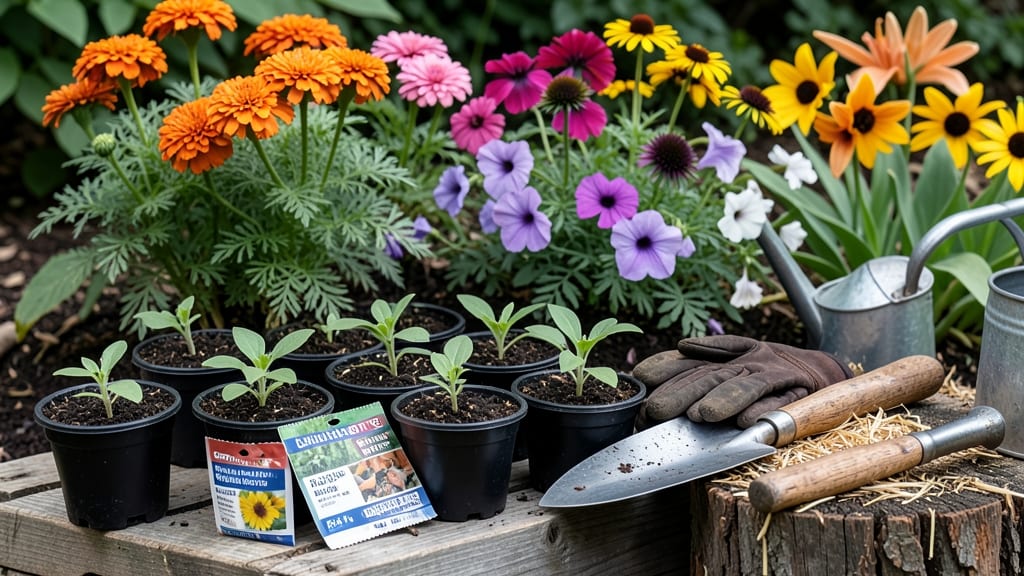
Timing your flower planting in Kansas can make the difference between vibrant blooms and frost-killed dreams—get the exact USDA zone-specific dates to maximize your garden's success.
If you've ever wondered why some gardens thrive while others struggle, the answer often lies in when you plant. Kansas's USDA Zones 5b-7a bring unique challenges, from unpredictable spring frosts to early fall freezes.
Whether you're a seasoned gardener or just starting, knowing the right window for planting 🌸 flowers can mean the difference between a stunning garden and a disappointing one.
I’ve spent years perfecting my approach, and what works best is planting annuals like marigolds and petunias after the last frost in May.
For perennials and bulbs, timing matters just as much—some need to go in the ground as early as March, while others can wait until August for fall blooms. Let me walk you through the exact steps to get it right.
You’ll learn how to align your planting with Kansas’s frost-free averages, which vary by region, and how to adjust for microclimates. By the end, you’ll have a clear, actionable plan to ensure your garden stays ahead of the weather—no guesswork required.
Kansas USDA Zones 5-7: exact flower planting dates by month
Kansas spans USDA Zones 5-7, where precise planting timing determines whether your flowers thrive or wither. The last spring frost typically arrives between April 15-30, while the first fall frost hits around October 15-30.
These dates vary slightly between cities like Wichita (Zone 7a), Kansas City (Zone 6a), and Topeka (Zone 5b), so I’ve tailored this guide to help you avoid frost surprises.
For annual flowers, timing is critical—plant too early, and frost will kill tender seedlings. For perennials and bulbs, the window is wider, but even they need proper soil temperatures.
Below, I’ve broken down month-by-month planting for each zone, including cold-hardy favorites like black-eyed Susans and coneflowers that handle Kansas’ unpredictable weather.
🌱
In Zone 5b (Topeka), where frosts linger longer, I recommend waiting until mid-May to plant heat-loving annuals like petunias or geraniums. For Zone 6a (Kansas City), you can push the envelope slightly earlier—late April works for cold-hardy varieties like pansies or snapdragons.
Meanwhile, Wichita’s Zone 7a gardeners can start tender seedlings indoors in March and transplant by mid-April.
For fall planting, aim to get bulbs and perennials in the ground 6-8 weeks before your first frost.
In Zone 5b, that’s mid-August, while Zone 7a can stretch it to early October. Mums and asters are my go-to fall bloomers—they thrive in cooler temps and add autumn color when other flowers fade.
🌿
Don’t forget about soil preparation—Kansas’ clay-heavy soils can be tricky. Amend with compost or sand to improve drainage, especially for container-grown flowers. I also recommend mulching after planting to retain moisture and regulate soil temperature.
For Wichita’s hot summers, mulch helps prevent root stress from heat, while Topeka’s cooler springs benefit from mulch’s insulating properties.
If you’re planting seeds directly (like marigolds or zinnias), sow them 1-2 weeks after your last frost date. These fast-growing annuals tolerate light frosts and can even self-seed for next year’s garden.
For slow-starting perennials like black-eyed Susans, give them a head start by planting divided roots in early spring.
🪴
Pro tip: Use a frost clock or local weather alerts to track last frost dates—they can shift 1-2 weeks year to year. I also recommend hardening off indoor starts for 10-14 days before transplanting to toughen them up.
And if a late frost threatens? Cover delicate plants with frost cloth or old bedsheets—it’s a lifesaver for tomato plants and petunias alike.
Finally, remember that native Kansas flowers like coneflowers and
Best flowers to plant in Kansas by season (with frost resistance ratings)
Kansas' USDA Zones 5b-7a offer a perfect mix of four distinct seasons, but frost dates can make or break your flower garden. Choosing frost-resistant varieties and planting at the right time ensures longer bloom seasons and healthier plants.
Native Kansas flowers like black-eyed Susans and coneflowers thrive here, but tender annuals need extra care.
Below, I’ve categorized the best-performing flowers by season, including their frost tolerance ratings (1 = tender, 5 = hardy) and ideal planting windows. Pro tip: Mulch heavily in fall to protect roots during early freezes, especially for tender perennials like dahlias.
🌱 Frost Tolerance Rating Guide
For spring planting (March-May), focus on cool-season flowers like pansies (4/5 frost rating) and snapdragons (3/5). These bloom early and tolerate light frosts after establishment. Native wildflowers such as purple coneflower (5/5) and blanket flower (5/5) are ideal for low-maintenance gardens—they self-seed and attract pollinators.
Summer (June-August) is prime time for heat-loving annuals like marigolds (2/5) and zinnias (2/5), but mulch heavily to retain moisture. Drought-tolerant options like lantana (3/5) thrive with minimal watering. Deadhead spent blooms to encourage continuous flowering through September’s first frost.
Fall (September-October) rewards patient gardeners with late-season bloomers like chrysanthemums (4/5) and asters (5/5). Plant bulbs such as tulips (3/5) in October for spring color. Use row covers to extend the season for tender perennials like canna lilies (2/5).
Winter (November-February) is for preparation. Divide perennials in early spring or fall, and plant spring-blooming bulbs like daffodils (5/5) and crocuses (5/5) in November for early-season color. Mulch deeply (3-4 inches) to insulate roots during Kansas’ harsh winters.
Pro tip: Group plants by frost tolerance in your garden layout. Place hardy perennials (5/5) in exposed areas and tender annuals (1/5) near sheltered spots or containers for easy winter protection. With the right choices, your Kansas garden can bloom from spring to fall! 🌸