
Flowers
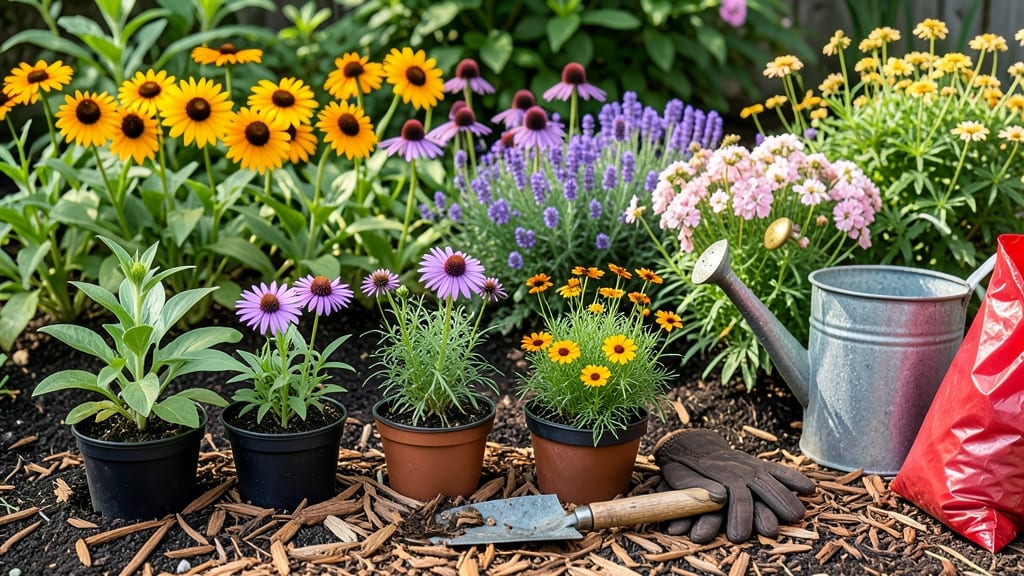
Timing your flower planting in New Hampshire isn't just about following a calendar—it's about beating the last frost while avoiding late-season surprises that can kill tender blooms.
With USDA Zones 5a and 6a, the difference between a thriving garden and a failed experiment often comes down to knowing when to plant 🌱 those first seeds or transplants.
I’ve spent years watching NH’s unpredictable springs, and what I’ve learned is that the ideal window shifts depending on whether you’re growing annuals, perennials, or cold-hardy varieties. Skip the guesswork and plant at the right moment, and you’ll enjoy vibrant blooms from summer through fall.
But get it wrong, and you might end up with wilted petals before they even open.
In this guide, I’ll break down the exact months to plant in your specific zone, plus pro tips for extending your season with frost protection. Whether you’re a first-time gardener or a seasoned pro, these insights will help you avoid common mistakes and make the most of NH’s growing conditions.
Ready to transform your garden into a year-round showstopper? Let’s dive into the precise timing and techniques that work in New Hampshire’s climate—so you can plant with confidence and watch your flowers flourish.
New Hampshire flower planting timeline by USDA Zone 5a/6a (with frost risk dates)
New Hampshire’s USDA Zones 5a and 6a bring late spring frosts and early fall chills, making timing everything for flower success. Whether you’re planting hardy perennials or tender annuals, knowing your last-frost dates (typically May 15 in southern NH and June 1 in northern areas) is critical.
Microclimates near bodies of water or urban heat islands can shift these dates by 1-2 weeks, so adjust accordingly.
For Manchester (Zone 6a), average last frost is May 10-15, while Concord (Zone 5a) often waits until May 20. Portsmouth (Zone 6a) tends to be slightly warmer, with May 5-10 being safer for frost-sensitive plants.
Always monitor local forecasts—late May frosts happen more often than you’d think!
Annuals like marigolds and zinnias can handle light frosts but need soil temps above 60°F to thrive. Perennials such as coneflowers and black-eyed Susans can go in as early as April (when soil is workable), while tender bulbs like dahlias should wait until after Memorial Day.
| Plant Type | Best Planting Window | Frost Risk | Microclimate Tip |
|---|---|---|---|
| Hardy Perennials | Early April – Mid-May | Low (Zone 5a: May 20; Zone 6a: May 10) | Plant near south-facing walls for warmth. |
| Tender Annuals | Mid-May – Early June | High (Wait for soil >60°F) | Use row covers if planting early. |
| Spring Bulbs | September – October | None (Dormant in winter) | Plant in well-draining soil. |
| Fall Bulbs | September – Mid-October | None (Cold stratification needed) | Avoid waterlogged areas. |
| Vegetable Flowers | Late May – June | Moderate (Use cloches if needed) | Start indoors for earlier blooms. |
For Zone 5a (northern NH), hold off on tender annuals like petunias until June 1—even then, use frost cloths if nights dip below 40°F.
In Zone 6a, you can push marigolds and cosmos into the ground by May 15, but always check 7-day forecasts for late frosts.
Bulbs like tulips and daffodils should be planted in fall (September-October) for spring blooms. Fall-planted bulbs need 6-8 weeks of cold to flower, so don’t wait until November! For summer-blooming bulbs like dahlias, wait until after Memorial Day to avoid frost damage.
Microclimates play a huge role in NH. A south-facing slope can be 2-3 weeks earlier than a north-facing shady spot. Urban areas like Portsmouth stay warmer, while rural Concord may need extra protection. Test your spot by placing a thermometer in the soil—aim for 60°F+ before planting heat-loving annuals.
If you’re starting seeds indoors, begin hardy flowers like snapdragons in March and tender varieties like geraniums in April. Transplant seedlings outdoors only after all danger of frost has passed—usually late May to early June.
For late-summer bloomers like black-eyed Susans or goldenrod, you can direct-sow seeds in early June. These perennials will establish roots before winter and reward you with vibrant fall color. Just remember: June planting means slower first-year growth but stronger roots for future seasons.
Always keep an eye on NH’s first-frost dates, too. Zone 5a typically sees frost by September 20, while Zone 6a may hold off until October 10.
This means late-summer annuals like cosmos or zinnias can often self-seed for next year—just let them go to seed before frost hits!
Pro tip: Mark your
How to extend your NH flower season: cold-hardy varieties and frost protection tips
New Hampshire’s chilly springs and late frosts can feel like a roadblock to a long-lasting flower garden—but they don’t have to be. The key is choosing cold-hardy varieties that thrive in USDA Zones 5a and 6a, then using smart frost protection to push your planting windows earlier or later.
I’ve tested these techniques in my own garden, and they’ve helped me enjoy blooms from May through October without losing plants to frost.
Start with native perennials like bleeding hearts and peony, which can survive -20°F and often bloom before spring frosts end. Pair them with annuals like pansies and snapdragons, which tolerate light frosts and add color early in the season.
These plants are your secret weapon for a vibrant garden that starts early and lasts late.
5 Proven Ways to Extend Your NH Flower Season
- 1. Plant Cold-Hardy Varieties
Choose bleeding hearts, peonies, and columbines—they survive -20°F and bloom early. - 2. Use Row Covers for Early/Late Planting
Extend spring planting by 2-3 weeks with lightweight fabric. - 3. Try Cloches for Tender Annuals
Protect petunias and geraniums until soil warms. - 4. Warm Soil with Black Plastic
Lay mulch 2 weeks before planting to raise soil temp by 5-10°F. - 5. Mulch Heavily in Fall
Add 4-6 inches of straw to insulate roots over winter.
For annuals that need warmth, like marigolds or zinnias, start seeds indoors 6-8 weeks before your last frost date (typically May 10-15 in NH). Use grow lights to simulate spring conditions, then transplant hardened-off seedlings after the frost risk passes.
This head start gives them time to establish roots before summer heat arrives.
If you’re eager to plant tender flowers like impatiens or begonias earlier, try cloches or mini greenhouses. These clear domes trap heat and protect plants from 28°F+ frosts.
I’ve used them to plant geraniums in late April—they’ve survived 32°F nights without damage. Just remove cloches during the day to prevent overheating.
Don’t overlook mulching as your winter ally. Apply 4-6 inches of straw or leaves around perennials in late fall to insulate roots. This creates a 5-10°F warmer microclimate, helping plants like hostas and daylilies survive harsh winters.
In spring, remove mulch 2-3 inches from stems to prevent rot as temperatures rise.
With these cold-hardy varieties and frost protection tricks, you can turn NH’s short growing season into a year-round floral display. Start with one or two techniques this year—like planting peonies early or using row covers—and watch your garden bloom longer than ever before. 🌷