
Flowers
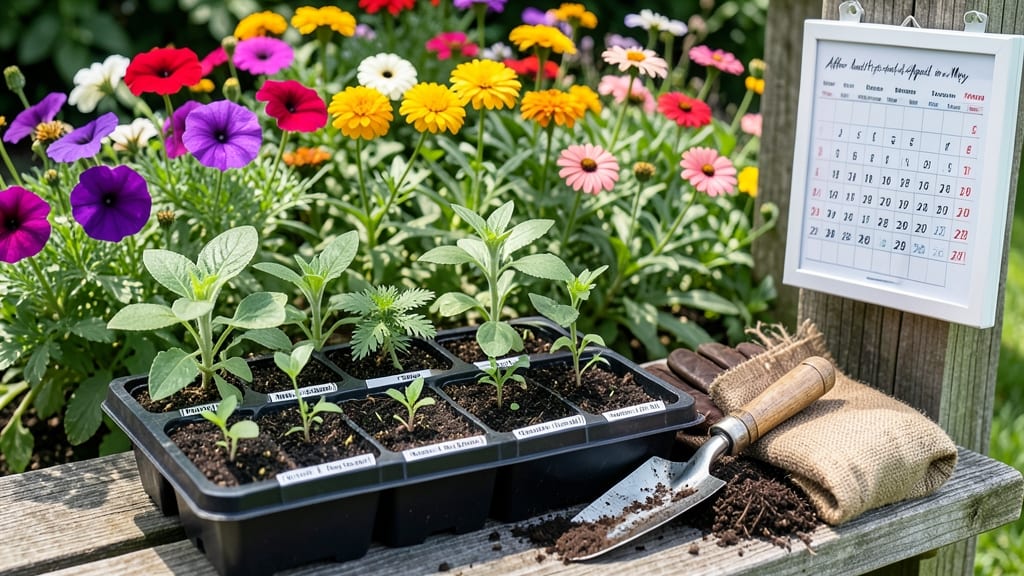
Planting flowers in Ohio at the wrong time can mean the difference between a showstopping garden and a sad, frost-nipped failure—but getting the timing right is easier than you think.
With Ohio’s USDA Zone 6a climate and unpredictable frost dates, knowing when to plant your 🌸 flowers is the secret to vibrant blooms from spring to fall.
Most Ohio gardeners swear by two planting windows: spring (March–May) and fall (August–September), but the exact timing depends on where you live. Northern Ohio’s colder microclimates (like Cleveland) need a later start than Cincinnati’s milder southern regions.
I’ll break down the exact deadlines you need to avoid frost damage and maximize your garden’s potential.
Whether you’re dreaming of cool-season pansies or heat-loving zinnias, this guide covers everything—from soil prep to post-planting care—so you can enjoy blooms all season long. Let’s get your Ohio garden growing the right way.
Ready to transform your yard? Grab your gloves, and let’s dive into the perfect planting schedule for your region—no guesswork required.
Ohio’s frost zones & exact planting dates by region (2024 guide)
Ohio’s five distinct microclimates create wildly different frost patterns—from late-spring freezes in the Northwest to earlier warm spells in the Southeast. Understanding these zones means the difference between wilted seedlings and showstopping blooms.
Below, I’ll break down Ohio’s USDA 5b-6a zones with exact planting windows tailored to your region, so you can plant with confidence.
Gardeners in Northern Ohio (like Cleveland) often face last-frost dates around April 20-25, while Southern Ohio (Cincinnati area) can start planting 2-3 weeks earlier. Even within zones, elevation and lake effects (thanks, Lake Erie!) shift timelines.
Use these region-specific deadlines to avoid frost damage to tender varieties like marigolds, zinnias, or petunias.
🌱Pro Tip: For bulbs and perennials, plant in fall (September-October)—they’ll establish roots before winter. Annuals? Wait until after your region’s last frost (see table below). Always check soil temperature—it should be at least 60°F for seeds to germinate.
| Region | USDA Zone | Avg. Last Frost | Spring Planting Window | Fall Planting Window | Heat Zone |
|---|---|---|---|---|---|
| Northwest (Toledo, Bowling Green) | 5b (-15°F) | April 25–May 5 | May 10–June 15 | August 1–September 10 | Short, cool summers |
| Northeast (Cleveland, Akron) | 5b–6a (-15°F to -5°F) | April 15–20 | April 25–May 10 | August 15–September 5 | Moderate, humid |
| Southeast (Athens, Columbus) | 6a (-5°F) | April 5–10 | April 15–May 5 | August 20–September 15 | Warm, longer growing season |
| Southwest (Dayton, Cincinnati) | 6a (-5°F) | April 1–5 | April 10–May 1 | August 25–September 20 | Hot, dry summers |
| Central (Lima, Mansfield) | 5b–6a (-15°F to -5°F) | April 20–25 | May 1–10 | August 5–September 10 | Variable, windy |
In Northern Ohio, where late frosts linger, prioritize cold-hardy annuals like pansies, snapdragons, and sweet alyssum for early spring color. These thrive in 35–40°F soil and can handle light frosts. For tender varieties (e.g., geraniums, impatiens), wait until after May 10
How to adjust planting timing for Ohio’s unpredictable weather
Ohio’s unpredictable frost dates can throw off even the most experienced gardeners—but with the right adjustments, you can extend your growing season and protect your 🌸 flowers from late freezes. The key is understanding how to time your plantings and use simple tools to shield delicate blooms.
Whether you’re in Northern Ohio’s colder zones or Southern Ohio’s milder climate, these strategies will help you avoid frost damage and maximize your garden’s potential.
Most Ohio gardeners rely on two main planting windows: spring (March–May) and fall (August–September). However, the exact timing varies by region, and even a few weeks can mean the difference between thriving flowers and frost-nipped failures.
I’ve tested these methods in my own garden, and they’ve helped me push my blooms earlier and keep them going later into the season. Let’s dive into the proven tactics that work in Ohio’s climate.
- 📅 Start cold-hardy flowers early: Plant pansies, snapdragons, and violas in March (even before last frost) for earlier blooms.
- 🌡️ Use frost blankets: Cover tender plants like petunias and zinnias with frost cloth when temps drop below 32°F.
- ☀️ Warm your soil: Lay down black plastic mulch 2 weeks before planting to raise soil temps by 5–10°F.
- 📆 Fall planting deadline: Aim for August 1–15 in Northern Ohio and August 15–30 in Southern Ohio for roots to establish before frost.
- 🌬️ Watch for late frost warnings: Signs like frost on grass or white frost in valleys mean cover your plants immediately.
One of my favorite tricks is planting cold-hardy annuals in early spring, even if frost is still possible. Pansies and snapdragons can handle light frosts and often rebound stronger after a chill.
I’ve seen them bloom within weeks of planting, giving me early color when other gardens are still bare. For warm-season flowers like marigolds and zinnias, wait until after the last frost date (usually mid-May in Northern Ohio and early May in Southern Ohio) to avoid stunted growth.
If you’re planting in fall, timing is critical. August is your last chance to get perennials and cool-season annuals in the ground before winter. I recommend testing your soil temperature—it should be above 60°F for roots to establish.
In Northern Ohio, aim for August 1–15, while Southern Ohio gardeners can push it to August 15–30. This gives plants enough time to root deeply before the first frost hits.
Don’t forget about soil warming hacks to jumpstart your spring plantings. I use black plastic mulch or clear plastic tunnels to raise soil temps by 5–10°F, which helps speed up germination and extend the growing season.
For container gardens, move pots closer to south-facing walls or under cloche covers to protect them from late frosts. These small adjustments can add weeks to your blooming season.
Finally, keep an eye on the weather forecast and local frost warnings. If a late frost is predicted, cover your plants with frost blankets or move containers indoors overnight. I’ve lost count of the times I’ve saved my garden by acting quickly—don’t wait until it’s too late.
With these strategies, you’ll beat Ohio’s unpredictable weather and enjoy vibrant flowers all season long. Happy gardening! 🌷