
Flowers
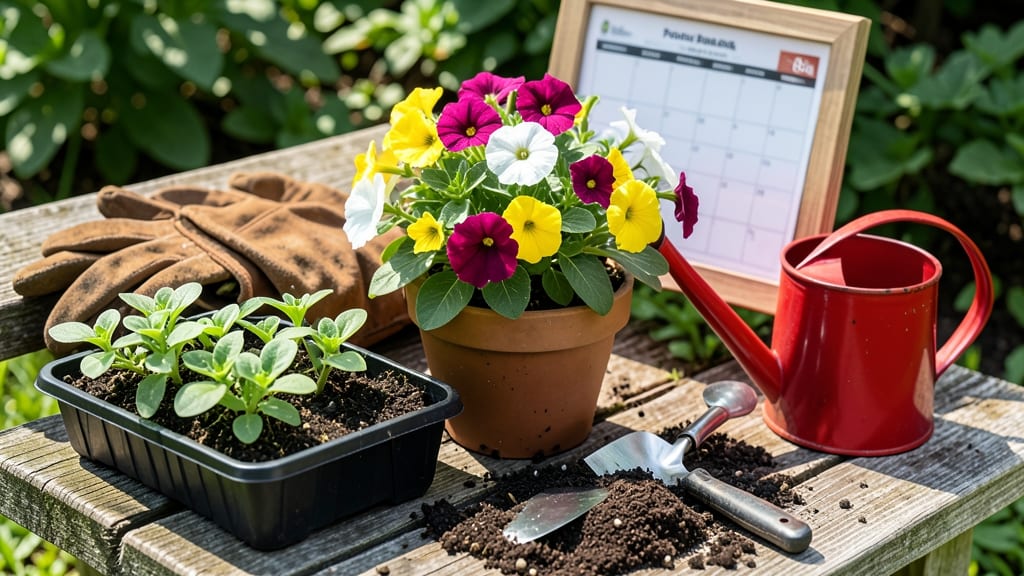
Timing when to plant flowers in Portland, Oregon, isn’t just about following a calendar—it’s about matching chill-hour requirements to your local microclimate. With USDA Zone 8a weather that swings from damp winters to surprisingly warm summers, getting it right means the difference between vibrant blooms and wilting disappointment.
Most gardeners in Portland know spring is the prime time to plant 🌸 flowers, but did you realize that bulbs like daffodils need to go in the ground by November to establish roots before winter?
Or that perennials like rhododendrons thrive when planted in early fall? These nuances make all the difference in your garden’s success.
In this guide, I’ll break down the exact planting windows for Portland’s most beloved flowers—annuals, perennials, and bulbs—so you can align your schedule with the city’s unique frost dates and rainfall patterns. No more guessing whether your petunias will bolt or your tulips will fade too soon.
You’ll learn how to adjust for Portland’s quirks, from urban heat islands to wet winters, and discover the best local varieties that actually thrive here. Let’s turn your flower garden into a year-round showstopper—starting with the right timing.
Portland’s best flower planting months by chill-hour needs
Portland’s USDA Zone 8a/8b climate means we get 300–900 chill hours annually, shaping when flowers thrive. Cool-season blooms like tulips and pansies need 400–600 chill hours to flower, while warm-season favorites like zinnias prefer 0–300 chill hours and bloom after last frost.
Timing plantings by chill-hour requirements ensures vibrant blooms year-round.
In Portland, the last average frost date is March 15, and the first frost typically arrives November 1. This creates a 165-day frost-free window—perfect for strategic planting. Fall planting (September–October) gives cool-season flowers time to establish roots before winter, while spring planting (March–May) aligns with warm-season bloomers.
Bulbs like daffodils and hyacinths need 600–900 chill hours and should be planted in fall (September–October). Perennials such as coneflowers thrive with 300–500 chill hours and can be planted in early spring (March–April) or fall (September).
Annuals like marigolds (0–100 chill hours) wait until after last frost (May).
Chill-hour mismatches cause flowers to bolt (send up seed stalks) or fail to bloom. For example, planting tulip bulbs in spring skips their chill-hour needs, while zinnias planted in fall won’t survive winter. Portland’s microclimates (urban heat islands vs. rural areas) can shift chill hours by 100+ hours, so adjust timing accordingly.
| Flower Type | Chill-Hour Needs | Best Planting Months | Portland Notes |
|---|---|---|---|
| Bulbs (Tulips, Daffodils) | 600–900 hours | September–October | Plant 6–8 weeks before first frost for spring blooms. |
| Perennials (Coneflowers, Lavender) | 300–500 hours | March–April or September | Fall planting reduces stress; spring planting avoids drought. |
| Annuals (Zinnias, Petunias) | 0–100 hours | May–June (after frost) | Start indoors 6–8 weeks before last frost for earlier blooms. |
| Cool-Season (Pansies, Snapdragons) | 400–600 hours | August–September or March | Fall plantings bloom in winter; spring plantings bloom in spring. |
| Native Wildflowers (Oregon Sunshine, Yarrow) | 300–400 hours | March–April | Drought-tolerant; ideal for low-maintenance gardens. |
For bulbs and perennials, I recommend planting in late September to give roots time to establish before winter. Spring planting (March–April) works for perennials like black-eyed Susans and daylilies, which need 300–400 chill hours to bloom. Annuals like zinnias (0–100 chill hours) can be direct-sown in May after the frost risk passes.
Portland’s urban heat islands (e.g., downtown) may experience 100+ fewer chill hours than rural areas. If you’re in a warmer microclimate, opt for low-chill varieties like ‘Iceberg’ roses (300 hours) or ‘Profusion’ clematis (400 hours).
Conversely, cooler microclimates (e.g., Mount Hood foothills) can handle higher-chill flowers like ‘Tardiva’ tulips (900 hours).
Extend your blooming season by layering plantings. For example, plant pansies in August for winter color, then sow zinnias in May for summer blooms. Succession planting every 2–3 weeks ensures continuous flowers. Always amend soil with compost before planting to improve drainage and nutrient uptake
Top 5 flowers to plant in Portland by season (with chill-hour matching)
Portland’s USDA Zone 8a climate means we get a mix of cool, wet winters and surprisingly warm summers. To maximize blooms, match your flowers to Portland’s chill-hour needs—the number of hours below 45°F a plant needs to thrive.
For example, tulips need 300–600 chill hours, while petunias thrive with almost none. Let’s dive into the best flowers for each season and how to time them perfectly.
Urban heat islands in downtown Portland can add 5–10°F to temperatures, while rural areas stay cooler. Adjust planting times accordingly: plant heat-loving annuals like geraniums earlier in urban areas and cool-season flowers like pansies slightly later in rural spots. Microclimates matter!
🌱 Styled List: Portland’s Top 5 Flowers by Season & Chill-Hour Needs
For Portland’s urban gardens, prioritize drought-tolerant flowers like coneflowers and lavender, as city soils can dry out faster. In rural areas, focus on moisture-loving perennials like asters or hostas. Always amend soil with compost before planting—Portland’s clay-heavy soil benefits from organic matter.
Pro tip: Use mulch to regulate soil temperature. In summer, it keeps roots cool; in winter, it protects bulbs from freezing. For chill-sensitive plants like geraniums, wait until May 15 (after the last frost) to plant, even if the calendar says spring has arrived.
Timing is everything in Portland. By matching chill-hour needs to your microclimate, you’ll enjoy longer bloom seasons and fewer wilting surprises. Start with these five standouts, and your garden will reward you with color from spring through fall.