
Plants
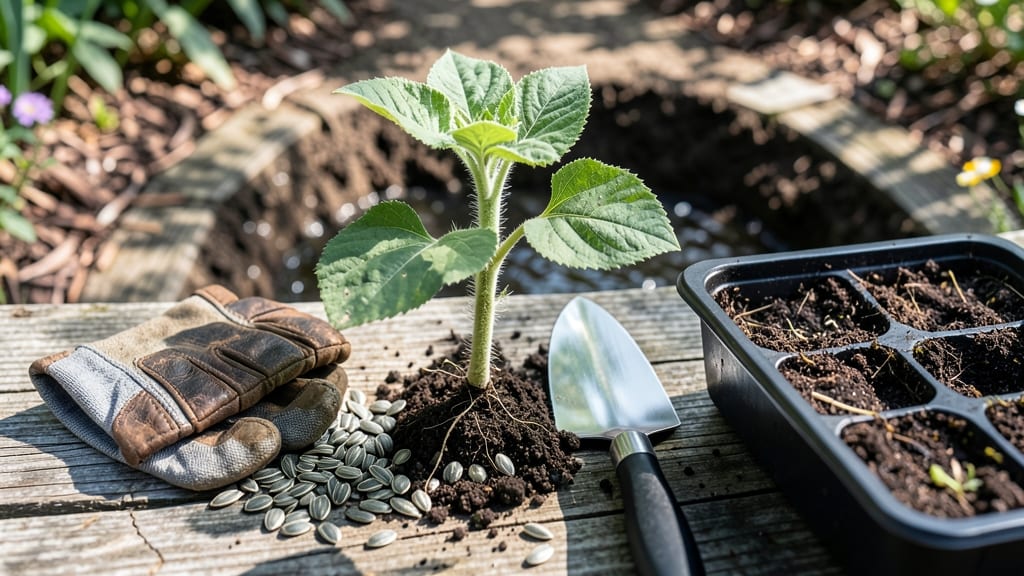
To plant sunflower seeds in Zone 7 and watch those 🌻 giants reach their full potential, timing is everything—and getting it wrong means stunted blooms or no flowers at all.
The sweet spot for Zone 7 gardeners is mid-April to early June, when soil temperatures finally climb above 55°F, signaling it’s safe to sow seeds directly in the ground.
Most gardeners in Zone 7 wait until after the last frost date (typically around April 15), but rushing too early can leave seeds vulnerable to cold snaps.
The key is balancing frost risk with soil warmth—sunflowers won’t germinate properly in chilly soil, no matter how eager you are to see those towering stems emerge.
Here’s the game-changer: plant your seeds 1 inch deep and 6 inches apart, then monitor soil temperatures with a simple thermometer or even a DIY potato test. If you’re aiming for continuous blooms, consider succession planting every 2-3 weeks through June for a summer-long display of golden faces.
I’ll walk you through exact frost-free windows, soil prep tips, and how to adjust for your local microclimate—so you can skip the guesswork and grow sunflowers that rival the ones at the farmers’ market. Let’s get those seeds in the ground the right way.
Zone 7 sunflower planting dates by exact last frost timing
Timing your sunflower seeds in Zone 7 depends on your last frost date, regional microclimates, and soil warmth. Most Zone 7 gardeners experience their average last frost between March 15 and April 15, but this varies significantly by location.
For example, the Piedmont region often warms up faster than the Appalachian foothills, where cold snaps linger longer. Planning for these variations ensures your sunflowers get the 6-8 hours of full sun they need to thrive.
Sunflowers are warm-season annuals that tolerate light frost but won’t germinate in cold soil. The key is planting after the soil temperature reaches at least 50°F, which typically aligns with mid-April to early May in most of Zone 7.
However, early varieties like 'Moulin Rouge' can handle slightly cooler conditions, while giant varieties like 'Russian Giant' need warmer soil to avoid stunted growth.
Here’s how to adjust your planting schedule based on your specific Zone 7 location and microclimate:
| Planting Window | Last Frost Date Range | Soil Temp Requirement | Best Varieties | Notes |
|---|---|---|---|---|
| Early Season | March 20 - April 5 | 50-55°F | 'Moulin Rouge', 'Teddy Bear' | High-risk areas only; use row covers if frost threatens. |
| Mid-Season | April 10 - May 1 | 55-60°F | 'Autumn Beauty', 'ProCut' | Ideal for most of Zone 7; balanced growth and bloom. |
| Late Season | May 5 - June 1 | 60-65°F | 'Russian Giant', 'Mammoth' | Best for long-season varieties; extends harvest into fall. |
| Succession Planting | Every 2-3 weeks (April-June) | 55°F+ | All varieties | Ensures continuous blooms and seed production. |
If you’re in the Appalachian region of Zone 7, err on the side of late planting (after April 15) because cold air pockets can delay soil warming. In contrast, Piedmont areas like Raleigh or Charlotte often see soil temperatures hit 55°F by early April, making mid-April plantings ideal.
Always monitor your local weather forecasts and use a soil thermometer for accuracy—sunflowers won’t germinate below 50°F, even if the air is warm.
For microclimates, like a sunny south-facing slope, you can plant 2-3 weeks earlier than the average date. Conversely, low-lying areas or shady spots may need a delayed planting until soil warms consistently.
Test your soil’s readiness by pressing your hand into the ground—if it feels cool to the touch, wait a few more days. Direct sowing is best for sunflowers; they hate transplanting, so avoid starting seeds indoors unless you’re using succession planting for a prolonged harvest.
Pro tip: Use black plastic mulch or straw mulch to warm the soil faster and retain moisture. This is especially helpful in Zone 7’s unpredictable springs, where a late frost can nip tender seedlings.
Plant seeds 1 inch deep and 6 inches apart in rows 18-24 inches apart to give mature plants room to spread. Thin seedlings to the strongest 2-3 per hill once they’re 4-6 inches tall to prevent overcrowding.
Remember, sunflowers have a long growing season—some varieties take up to 120 days to mature. If you plant too late (after June 1), your giant varieties may not reach full height before first frost in October.
However, dwarf varieties like 'Teddy Bear' can handle slightly later plantings and still produce <
Ideal soil temperature and depth for sunflower seed germination
Sunflower seeds need consistent warmth to germinate, and in Zone 7, early springs can leave soil too cool for reliable sprouting. The minimum soil temperature for sunflower germination is 55°F, but seeds germinate fastest when soil reaches 60–65°F.
This warmth triggers enzymes that break down seed coatings, allowing roots to emerge within 7–14 days under ideal conditions.
Planting depth plays a crucial role too. Sunflower seeds should be sown 1–1.5 inches deep—any shallower risks drying out, while deeper planting can delay or prevent germination.
The seed’s energy reserve needs to stretch just enough to reach the surface, so aim for a spot where the soil feels loose and crumbly rather than compacted. Loosen the soil to 6 inches deep before sowing to improve drainage and root penetration.
⚠️ callout warning ⚠️
Testing soil warmth is simpler than you think. A soil thermometer ($10 at garden centers) gives precise readings, but you can also use the potato test: bury a raw potato near your planting spot for 24 hours.
If it feels warm to the touch when dug up, your soil is ready. This DIY method works surprisingly well and costs nothing. For extra warmth, cover the bed with clear plastic sheeting for 3–5 days before planting to accelerate soil heating.
If germination takes longer than 2 weeks, check for three common issues: soil too cold, seeds too deep, or dry soil. Sunflower seeds need consistent moisture but can rot if overwatered.
Keep soil evenly moist (not soggy) until sprouts appear. A light sprinkle of compost or vermiculite on top helps retain moisture while preventing crusting.
For Zone 7 gardeners pushing the early planting window, consider starter pots indoors under grow lights. Germinate seeds at 70–75°F for 5–7 days, then transplant seedlings outdoors once soil warms. This method buys you 2–3 weeks of head start, but only if you’re prepared to harden off seedlings gradually.
Avoid transplant shock by acclimating them to outdoor conditions over 5–7 days before moving them to the garden.
Once your sunflowers sprout, focus on staking or support for taller varieties like ‘Russian Giant,’ which can reach 12+ feet. Even dwarf varieties benefit from 1–2 inches of compost mixed into the soil at planting to fuel rapid growth.
With the right soil temperature and depth, your sunflowers will reward you with bold blooms and plump seeds—all while adding a cheerful splash of color to your garden. 🌻