
Flowers
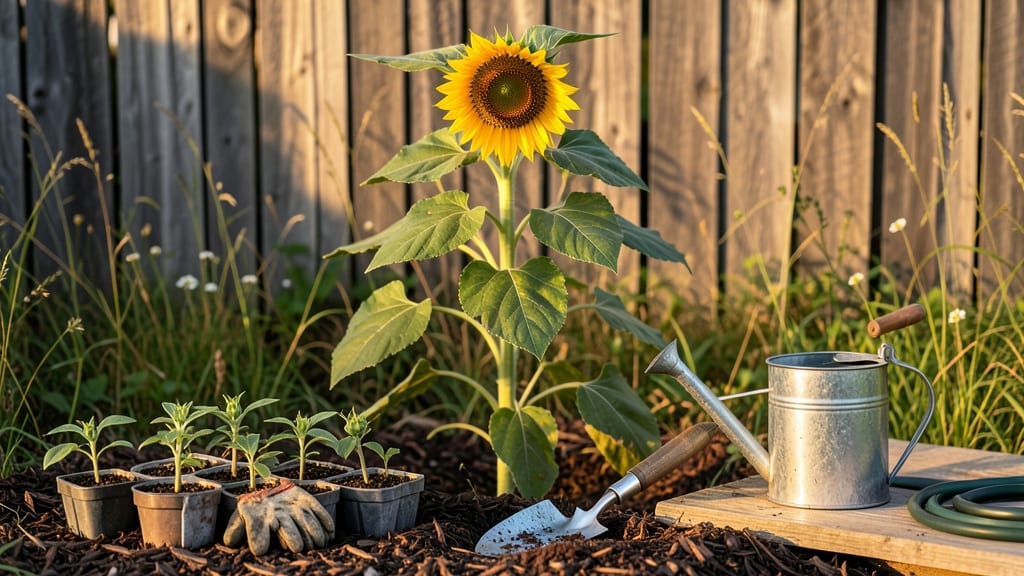
Planting sunflowers in Arizona at the wrong time means your 🌻 might bolt too fast or wilt before blooming—even in the desert’s intense sun. The key to success?
Starting seeds between November and March when soil temps drop below 90°F, avoiding the brutal summer heat that can stress young plants.
Unlike cooler climates, Arizona’s USDA Zone 9b gives you a longer window to grow sunflowers, but timing matters. High-elevation areas (like Flagstaff) can handle slightly later plantings, while low desert zones (like Phoenix) need early starts to beat the heat. I’ll show you exactly how to adjust for your microclimate.
You’ll also discover which sunflower varieties thrive in Arizona’s dry conditions—like the drought-resistant ‘Moulin Rouge’ or the towering ‘Autumn Beauty’—and whether to direct-sow seeds or use transplants for faster results. With the right schedule, you could have sunflowers reaching 10 feet tall by spring!
Ready to grow sunflowers that stand tall and proud in Arizona’s desert? Let’s dive into the fastest, easiest planting plan tailored for your local heat and soil. Your garden’s next showstopper starts here.
Optimal sunflower planting times in Arizona’s climate zones
Arizona’s climate is as diverse as it is extreme, with Low Desert areas like Phoenix and Tucson experiencing 110°F+ temperatures and High Desert regions (e.g., Flagstaff) facing cooler nights and earlier frosts. Sunflowers (Helianthus annuus) thrive in these conditions—but only if planted at the right time.
The key is timing your seeds to avoid heat stress or premature bolting, while maximizing Arizona’s 300+ frost-free days.
In the Low Desert (USDA Zones 9b-11), where summer temps rarely drop below 90°F, sunflowers should be sown in late October through early March. This window ensures seedlings establish roots before the spring heat surge (March-April), when soil temps can exceed 100°F.
In contrast, High Desert (Zones 7a-8a) gardeners should plant from mid-April to early June, taking advantage of cooler nights and avoiding late-spring frosts that can still dip below 32°F in May.
Why timing matters: Sunflowers bolt (shoot up rapidly) when stressed by heat or drought. Planting too early in the Low Desert risks fungal rot from winter moisture, while late plantings in the High Desert may not mature before first frost (though Arizona’s frost risk is minimal). The goal is 60-90 days of growth before peak summer heat hits.
Here’s the breakdown by Arizona’s two dominant microclimates, including soil temperature thresholds, frost risk windows, and heat tolerance tips to ensure your sunflowers reach their 10-16 ft potential:
Arizona’s Low Desert gardeners should prioritize direct sowing in November for the earliest blooms, as transplants struggle in the intense heat. Start seeds indoors 4-6 weeks before the target outdoor date if you’re in the High Desert, using biodegradable pots to avoid transplant shock.
For both zones, test soil temps with a thermometer—sunflowers won’t germinate well below 55°F.
Another critical factor is watering schedules. In the Low Desert, deep watering every 5-7 days is essential once seedlings emerge, while High Desert sunflowers need consistent moisture for the first 30 days to prevent bolting.
Mulch with straw or wood chips to retain moisture and regulate soil temps. Avoid overhead watering after 10 AM to prevent powdery mildew, a common issue in Arizona’s dry heat.
For container growing (ideal for High Desert balconies or urban Low Desert patios), use 5-gallon pots with fast-draining mix and plant one seedling per container. Containers dry out faster, so check soil moisture daily during 100°F+ weeks.
Dwarf varieties like ‘Moulin Rouge’ (3-4 ft tall) are perfect for containers and bloom 60-70 days after planting, making them ideal for Arizona’s short growing season.
Pro tip: Succession plant every 2 weeks in the Low Desert to enjoy blooms from March through June. In the High Desert, focus on late April plantings for summer-long color. Pair sunflowers with drought-tolerant companions like lupine or marigolds to improve soil health and deter pests.
With the right timing, your sunflowers will reach towering heights and vibrant blooms, even in Arizona’s harshest conditions.
Remember, sunflowers are phot
How to adjust planting for Arizona’s extreme heat and drought
Arizona’s scorching summers and dry winds can turn sunflowers into crispy stalks if you’re not careful. The key to survival? Adjusting planting depth, soil moisture, and shade to match your local microclimate.
In Phoenix, for example, soil stays dangerously hot until late October—so I always plant seeds 2 inches deep in well-amended beds by mid-November to avoid heat stress.
For high-desert areas like Flagstaff, where nights dip below freezing, I extend the window until early April using black plastic mulch to warm the soil faster. The goal is to give roots time to establish before the 110°F+ heat arrives.
Without these tweaks, even drought-resistant varieties like ‘ProCut’ can bolt prematurely or wilt.
⚠️ WARNING: Heat Shock Risk
- Bolting: Sunflowers shoot up too fast with no blooms (🌱 → 🌿 → 💨 in weeks)
- Root burn: Seeds rot at 95°F+ soil temps (check with a soil thermometer)
- Wilting: Leaves curl like fried tortillas if water evaporates before roots absorb it
Start with soil prep that mimics the desert’s natural water retention. Mix 50% native soil with 30% compost and 20% perlite to improve drainage while holding moisture.
I swear by desert marigolds (Tagetes lemmonii) as companion plants—they repel pests and their shallow roots break up compacted clay without competing for water.
Watering is an art in Arizona: Deep soaks every 7-10 days (not daily light sprinkles) encourage deep roots. Use drip irrigation with emitters placed 6 inches from the stem to avoid fungal issues.
Pro tip: Water before 8 AM to let foliage dry by evening—this cuts down on powdery mildew, a common problem when humidity spikes after summer rains.
Mulch isn’t just decoration—it’s a lifeline in the desert. Spread 3-4 inches of straw mulch (not wood chips, which can draw pests) around plants, leaving a 2-inch gap near the stem to prevent rot.
For extra insulation, I top it with a thin layer of pea gravel in high-heat zones like Tucson. This combo keeps roots 10-15°F cooler than surface temps.
Even with perfect timing, watch for heat stress signs: yellowing leaves, drooping stems, or flowers that open but immediately wilt. If you see these, move plants to partial shade (under a 50% shade cloth) for 2-3 days while you monitor temps.
With these adjustments, my sunflowers hit 10 feet tall by spring—despite the desert’s challenges! 🌻