
Flowers
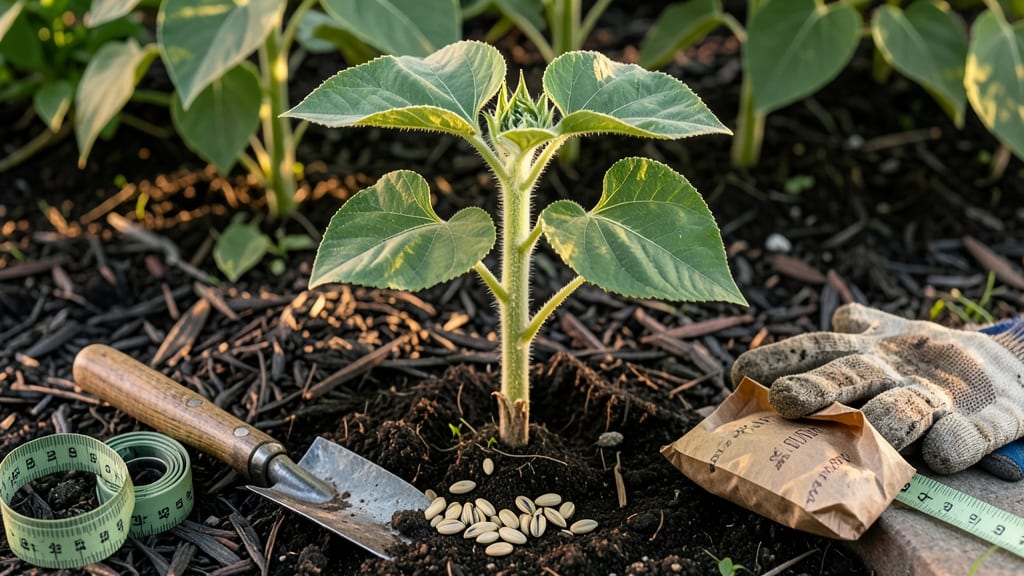
Planting sunflowers in Michigan means catching that narrow window between unpredictable spring frosts and the rush of summer—because missing it could leave you with stunted 🌻 stalks instead of towering blooms.
The key isn't just the calendar date; it's understanding your specific USDA zone (4-6) and soil warmth, which can vary wildly even within the state.
I've learned the hard way that Michigan's short growing season demands precision. Whether you're in Detroit or Traverse City, timing your sunflower seeds for after the last frost—typically late May—gives them the 60-90 days they need to mature before fall's chill sets in.
But don't wait too long, or you'll miss the sweet spot for those iconic 12-foot giants.
Here's what I'll show you: how to adjust planting dates based on your zone, which sunflower varieties thrive in Michigan's climate, and whether you should start seeds indoors or sow directly. Spoiler alert—some varieties like 'Autumn Beauty' are frost-tolerant, while others need every warm day to reach their full potential.
Let's dive into the exact planting schedule that'll have your garden bursting with color from summer through fall—without the guesswork. You'll walk away knowing when to plant, what to plant, and how to protect your sunflowers from Michigan's infamous late frosts.
Michigan’s sunflower planting timeline by hardiness Zone & frost dates
Michigan’s USDA hardiness zones 4-6 create unique challenges for sunflower growers, thanks to late spring frosts and short growing seasons. The key to success? Planting at the right time—when soil warms to 55°F+ and frost threats subside.
In northern Michigan (Zone 4), you’ll need to wait longer than in southern areas (Zone 6), but both regions can grow stunning sunflowers with proper timing.
Most Michigan gardeners choose direct sowing over transplanting for sunflowers, as they hate root disturbance. However, starting seeds indoors 4-6 weeks before your last frost date works well for early varieties or if you’re eager to extend your blooming season.
Below, I’ve broken down the optimal planting windows by zone, including soil temperature requirements and frost date adjustments.
| USDA Zone | Avg. Last Frost | Direct Sowing Window | Soil Temp Requirement | Indoor Start (Optional) |
|---|---|---|---|---|
| Zone 4 (Northern MI) | Mid-May | Late May – Early June | 55°F+ (13°C+) | 4-6 weeks before last frost |
| Zone 5 (Central MI) | Early May | Late April – Mid-May | 55°F+ (13°C+) | 3-5 weeks before last frost |
| Zone 6 (Southern MI) | Late April | Early April – Early May | 50°F+ (10°C+) | 2-4 weeks before last frost |
For Zone 4 gardeners, patience is key—waiting until late May ensures your sunflowers escape frost damage. I’ve seen early sowings in Zone 4 fail when a surprise frost hits in early June.
Use a soil thermometer to confirm the ground has warmed to 55°F before planting. In Zone 5 and 6, you can start earlier, but always have row covers ready for late frosts.
If you’re transplanting sunflower seedlings, harden them off for 7-10 days before moving outdoors. Seedlings should be 2-3 inches tall with 2-3 sets of true leaves when transplanted. Avoid transplanting after mid-July, as sunflowers need 60-90 days to mature, and late plantings may not bloom before frost.
Michigan’s unpredictable weather means you should always have a backup plan. If your spring is late, opt for shorter-day varieties like ‘Teddy Bear’ (50-60 days to maturity) or ‘Autumn Beauty’ (60-75 days). These dwarf sunflowers thrive even with shorter growing seasons and are less likely to bolt before flowering.
For succession planting, sow a second batch 4-6 weeks after your first planting. This extends your bloom time from summer into early fall. Just be sure to space seeds 6-12 inches apart (depending on variety) to avoid crowding, which leads to pale, weak stems and fewer blooms.
One common mistake I see in Michigan gardens? Planting sunflowers too close to buildings or fences. Sunflowers need full sun (6+ hours daily) and room to grow—some varieties reach 12 feet tall!
Give them 2-3 feet of space on all sides to prevent shading and ensure strong stems. In tight spaces, choose dwarf varieties like ‘Moulin Rouge’ (3-4 feet tall).
Finally, don’t forget to monitor soil moisture after planting. Sunflowers need 1-1.5 inches of water weekly, but overwatering can cause root rot. Let the top 1-2 inches of soil dry between waterings once seedlings are established.
Mulching with straw or grass clippings helps retain moisture and keeps roots cool during Michigan’s hot summers. 🌻
Best sunflower varieties for Michigan’s short growing season & how to choose
Michigan’s short growing season means you need sunflower varieties that mature quickly but still deliver stunning blooms. I’ve tested dozens of varieties, and the best performers balance days-to-maturity (60–90 days) with frost tolerance and disease resistance.
For example, 'Autumn Beauty' thrives in cooler temps, while 'Mammoth' needs every warm day to reach its towering height.
Your choice depends on three key factors: height (giant vs. dwarf), flower type (single vs. double blooms), and disease resistance.
Giant varieties like 'Russian Giant' can reach 12 feet but need a longer season, while dwarf varieties like 'Teddy Bear' (3–5 feet) are perfect for containers or small gardens and mature in just 50–60 days.
Here’s a quick comparison to help you decide which sunflower fits your Michigan garden best:
Giant Varieties (10+ ft)
- Stunning height for focal points
- Long vase life for cut flowers
- Classic sunflower look
- Need 90+ days to mature
- Require staking in windy areas
- More prone to powdery mildew
Dwarf Varieties (3–5 ft)
- Fast-growing (50–60 days)
- Container-friendly
- Lower maintenance
- Smaller blooms
- Less dramatic height
- Limited cut-flower use
Double-Bloom Varieties
- Unique layered petals
- Longer bloom time
- Great for pollinators
- Often shorter stature
- More susceptible to pests
- Slower to mature
For Michigan’s climate, I recommend starting with these top picks: 'Autumn Beauty' (60–70 days, frost-tolerant, double blooms), 'Mammoth' (90–100 days, giant height, needs warm soil), and 'Teddy Bear' (50–60 days, dwarf, perfect for late plantings).
If you’re in USDA Zone 4, prioritize varieties with shorter days-to-maturity to avoid fall frosts.
Adjust your planting time based on the variety: sow 'Teddy Bear' as late as mid-July for fall blooms, but plant 'Mammoth' by late May to give it enough time. Always check seed packets for days-to-maturity and count backward from your average first frost date (typically September 15–October 1 in Michigan).
Pro tip: Mix varieties for extended blooms! Plant early-season giants (like 'Mammoth') alongside late-season dwarfs (like 'Teddy Bear') to enjoy sunflowers from July through October. Just remember to space them properly—giants need 18–24 inches apart, while dwarfs can share 12-inch spacing.
🌻