
Flowers
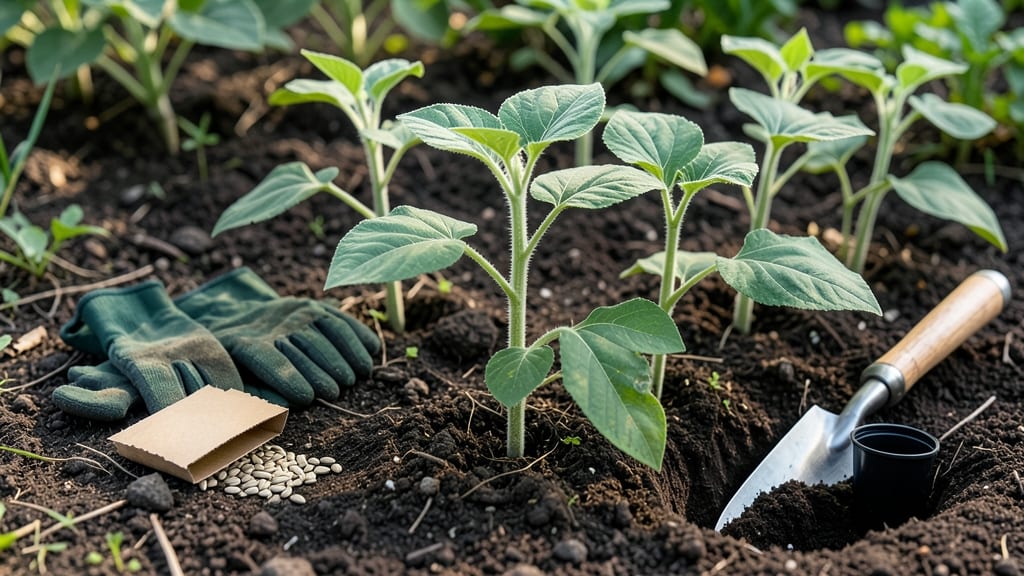
Planting sunflowers in Zone 7a can feel like a guessing game—one wrong week and you might miss their towering beauty entirely. But here’s the secret: timing isn’t just about avoiding frost—it’s about giving these fast-growing 🌻 giants the perfect start to thrive in your climate.
In Zone 7a, where last frosts linger around mid-April, waiting until early June gives sunflowers the warm soil they crave. Whether you’re growing dwarf varieties for containers or giant 10-foot stalks for a statement border, the right window makes all the difference.
I’ll break down exactly when to sow seeds—whether you’re direct-planting or starting indoors—and share pro tips to extend your harvest. No more second-guessing: just confident planting and sunflowers that reach their full potential.
Ready to transform your garden into a sunflower haven? Let’s get those seeds in the ground at the perfect moment.
Sunflower planting timeline in Zone 7a: frost-free dates by month
In Zone 7a, where average last frost dates hover around April 15 but can vary by 1-2 weeks depending on microclimates, timing your sunflower planting is crucial.
Most sunflowers are annuals, meaning they complete their life cycle in one season, so getting them in the ground at the right time ensures vibrant blooms from late summer to early fall.
The key is planting after the soil warms to at least 55°F—a threshold that typically aligns with mid-April to early May in most of Zone 7a.
While sunflowers are hardy and can tolerate a light frost as seedlings, they thrive best when planted after the last frost date. In my garden, I’ve found that direct sowing in late April gives my sunflowers a head start before the hot Zone 7a summers arrive.
For those eager to start earlier, you can sow seeds indoors 4-6 weeks before the last frost—though sunflowers germinate quickly outdoors once soil conditions are right.
🌱 Pro Tip: Use a soil thermometer to confirm your garden’s readiness. Sunflower seeds need consistent warmth to sprout reliably, and cold, wet soil can delay germination by weeks. If your soil is still chilly in April, consider using black plastic mulch to warm it faster.
For annual sunflowers, the primary planting window in Zone 7a runs from mid-April to early June. This timeline ensures your sunflowers have enough time to mature before the first frost in mid-October.
If you’re growing perennial varieties (like Helianthus tuberosus, the Jerusalem artichoke), you can plant them as early as March—they’re more cold-hardy and can handle Zone 7a’s early springs.
One mistake I’ve seen gardeners make is planting sunflowers too early in Zone 7a. Seeds sown in March may rot in cold, wet soil, while seedlings risk damping-off disease if temperatures fluctuate. Instead, wait until the soil is consistently above 55°F—usually late April—before committing to outdoor planting.
If you’re unsure, use a seedling heat mat for a few weeks to speed up germination.
Zone 7a’s summer heat is no joke, but it works in your favor for sunflowers! Once established, they thrive in full sun and high temperatures. However, succession planting is key to enjoying blooms all season.
I like to sow a second batch in early June—this gives me flowers from late summer through October, just before the first frost. Choose heat-tolerant varieties like 'Autumn Beauty' for these later plantings.
If you’re experimenting with fall planting, you can try sowing seeds in late July for blooms in September or October. These late sunflowers won’t reach their full height but still produce stunning flowers.
Just be sure to water consistently and protect them from early frosts with row covers if needed. In my experience, dwarf varieties like 'Teddy Bear' are perfect for fall plantings—they mature faster and handle cooler temps better.
Always remember: sunflowers are forgiving but not invincible. While they can handle light frosts as seedlings, a hard freeze will kill them. In Zone 7a, where late frosts can occur until May 10th in some areas, it’s safer to err on the side of
Best sunflower varieties for Zone 7a and their optimal planting times
Choosing the right sunflower variety for Zone 7a isn’t just about size—it’s about matching their growth cycles to your local climate. In my experience, dwarf varieties like 'Moulin Rouge' thrive in late April, while giant 'Russian Giants' need warmer May soil to reach their full height.
Let’s break down the best options and their perfect planting windows to ensure stunning blooms all season.
Zone 7a’s 165 frost-free days create a unique window for sunflowers. Dwarf varieties mature quickly, giving you two planting opportunities: early spring for summer blooms or late summer for fall color.
Meanwhile, tall varieties need that extra time to grow, so planting them after May 15 ensures they’ll reach their towering potential before the first frost in mid-October.
For dwarf varieties like 'Moulin Rouge' and 'Teddy Bear', I recommend planting in late April when soil temperatures reach 55°F. These compact beauties mature quickly, giving you vibrant blooms by early summer.
Their short stature makes them ideal for containers or small gardens, and they’re perfect for succession planting—just sow another batch in early June for fall color.
Standard varieties such as 'Autumn Beauty' and 'Mammoth' need that extra warmth to establish strong roots. Plant them in mid-May after the last frost, and watch them shoot up to 6-12 feet tall by summer’s end.
These varieties are pollinator magnets, so they’ll bring bees and butterflies to your garden all season long. Just be sure to stake them early if you experience heavy winds in Zone 7a.
If you’re dreaming of giant sunflowers, save 'Russian Giants' for early June planting. These monsters need