
Flowers
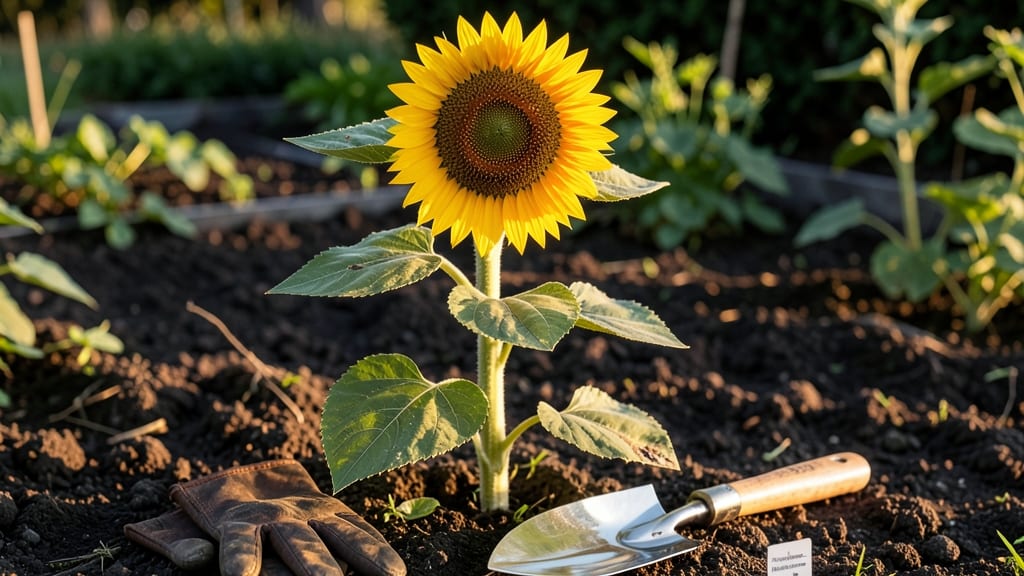
Timing your sunflower planting in Montana is the key to those towering 🌻 blooms you’ve been dreaming of—or the fast track to disappointment.
With frost dates that shift dramatically from Missoula to Billings, getting it wrong means stunted plants or worse, but nail it, and you’ll enjoy sunflowers that thrive from late summer right through fall.
Montana’s USDA Zones 3-7 create unique challenges, from early May frosts in the north to lingering cool snaps in the valleys. The secret isn’t just waiting for the last frost—it’s understanding your local microclimate.
Whether you’re in Zone 4’s shorter growing season or Zone 7’s longer stretch, the right window ensures your sunflowers reach their full potential before the first frost bites.
In this guide, I’ll break down exactly when to plant—from direct sowing in late spring to transplanting starts—plus how to adjust for Montana’s unpredictable weather. You’ll learn which varieties handle the heat and short season best, and how to protect young seedlings from late frosts.
Let’s get those sunflowers growing strong and tall!
Ready to turn your garden into a pollinator paradise? Let’s dive into the perfect planting timeline for Montana’s climate, so you can enjoy sunflowers that reach for the sky—no guesswork required.
Montana’s sunflower planting timeline by hardiness Zone (USDA 3-7)
Montana’s USDA hardiness zones 3-7 create unique challenges for sunflower growers. While western zones like Missoula (Zone 5) enjoy earlier frost-free dates, eastern areas such as Billings (Zone 5) and Great Falls (Zone 5) face later threats of frost.
Understanding your local frost dates is critical—plant too early, and seedlings may freeze; too late, and your blooms arrive after summer’s peak.
Sunflowers thrive in Montana’s short but intense growing season, but timing is everything.
Most varieties need 70-120 frost-free days to mature, meaning northern zones (like Glacier National Park area, Zone 3) must focus on early-maturing types, while southern zones (like Bozeman, Zone 5) can experiment with taller, later-blooming varieties. Let’s break down the best planting windows for each zone.
| Zone | City Example | Avg. Last Frost | Planting Window | Best Varieties | Days to Maturity |
|---|---|---|---|---|---|
| Zone 3 | Glacier NP | June 1 | June 10–20 | ‘Teddy Bear’, ‘Moulin Rouge’ | 60–75 days |
| Zone 4 | Kalispell | May 25 | May 30–June 10 | ‘Autumn Beauty’, ‘Sunspot’ | 70–80 days |
| Zone 5 | Missoula, Billings | May 15 | May 20–June 5 | ‘ProCut’, ‘Russian Giant’ | 80–100 days |
| Zone 6 | Bozeman | May 10 | May 15–May 30 | ‘Mammoth’, ‘Evening Sun’ | 90–110 days |
| Zone 7 | Great Falls | April 25 | April 30–May 15 | ‘Sunflower ‘Lemon Queen’ | 100–120 days |
In Zone 3 (e.g., Glacier National Park), where the last frost often lingers until June 1, opt for dwarf or early-maturing varieties like ‘Teddy Bear’ (50–60 days to bloom). These compact types (1–3 feet tall) thrive in Montana’s short season and resist late frosts better than towering varieties.
Plant seeds directly in the garden after soil warms to 50°F—use a soil thermometer to confirm.
By Zone 5 (Missoula, Billings), the window expands slightly, allowing for medium-height varieties like ‘ProCut’ (80–90 days to maturity). These can handle Montana’s hot afternoons while still producing edible seeds before the first frost in mid-September.
For Zone 6 (Bozeman), you can push the envelope with taller varieties like ‘Mammoth’ (12–14 feet), but monitor for powdery mildew in humid summers.
For Zone 7 (Great Falls), the earliest
How to adjust planting dates for Montana’s unpredictable weather patterns
Montana’s weather can throw even the most experienced gardeners for a loop—one day it’s 60°F and sunny, the next a 20°F freeze sneaks in. For sunflowers, this unpredictability means the difference between 10-foot giants and sad, stunted sprouts.
The key to success? Flexibility. I’ve learned to adjust planting dates based on soil temperature, frost forecasts, and even companion plants that act as living shields for delicate seedlings.
First, check your soil temperature—sunflower seeds need the ground to be at least 55°F to sprout reliably. In Montana’s Zone 4 (like Missoula), this usually happens around late May, while Zone 7 (like Billings) can start as early as mid-April.
But don’t rely on averages! Use a soil thermometer to confirm before you plant.
Here’s where things get tricky: Montana’s late spring frosts can strike well after the official last frost date. In 2023, Helena saw frost in early June, catching many gardeners off guard.
To protect your sunflowers, I recommend planting companion crops like bush beans or corn nearby—their taller stalks break the wind and trap heat, creating a microclimate that shields young seedlings.
⚠️ Montana Frost Trap Alert!
Even after the last frost, valleys and low-lying areas can stay colder for weeks. If you’re in Zone 3-5, wait until mid-June to plant sunflowers—this gives them time to establish roots before September’s early frosts. Use row covers or black plastic mulch to warm the soil faster and extend your growing season by 2-3 weeks.
🌱 Pro Tip: Plant dwarf varieties (like 'Teddy Bear') in Zone 3—they mature faster and tolerate cooler temps better than giants.
For those scorching Montana summers, another trick is to stagger your plantings. Start with early-maturing varieties (like 'Autumn Beauty') in late May, then follow up with taller types (like 'Mammoth') in early June.
This ensures you’ll have blooms from July through September, even if a heatwave hits early. Just be sure to water deeply in the afternoons to prevent bolting—sunflowers hate stress!
Don’t forget to monitor local weather alerts. Tools like the National Weather Service’s frost prediction maps or apps like Frost Date can save your garden. I’ve used them to shift my planting date twice in one season—once to avoid frost, once to escape drought.
It’s a pain, but those golden blooms make it worth it.
Finally, if you’re in high-altitude areas (like Glacier National Park’s foothillssouth-facing walls or fences. These act as heat sinks, warming the soil and giving your plants a head start.
Combine this with mulching (straw or grass clippings work great), and you’ll create the perfect cozy nest for your sunflowers to thrive in Montana’s wild swings.