
Flowers
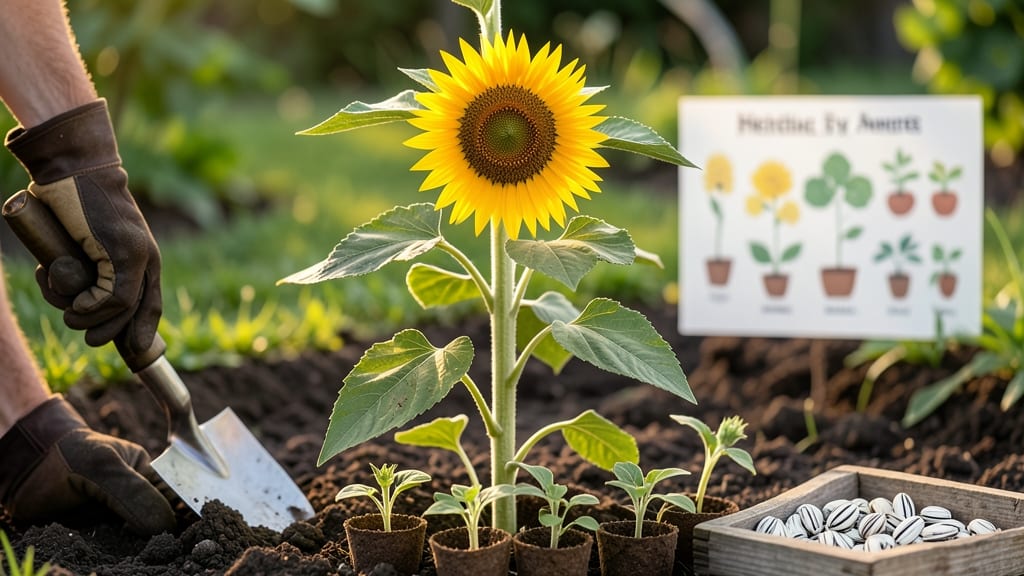
Planting sunflowers in New Jersey at the wrong time can mean the difference between a vibrant 🌻 garden and a sad, frost-bitten disappointment. The key to zero-frost blooms lies in knowing exactly when to start seeds or set out transplants in USDA Zones 6b-7a.
With New Jersey's unpredictable climate—where last frost dates can swing from mid-April to early May—timing is everything. Plant too early, and your sunflowers might not survive the late frosts that sneak in. Too late, and you'll miss the 180 frost-free days these cheerful giants need to mature.
I've tested the perfect windows for both direct sowing and transplanting, accounting for soil temperature, humidity, and even microclimates between northern and southern NJ. Whether you're growing towering 10-foot monsters or compact varieties, these deadlines will ensure your sunflowers reach their full potential.
Ready to transform your garden into a sunflower haven? Let's dive into the exact planting schedule that works for NJ's unique growing conditions—and how to adjust for early or late seasons. Your future blooms will thank you!
Optimal NJ sunflower planting dates by variety and frost risk
New Jersey’s USDA Zones 6b-7a give sunflowers a 180-day growing season, but timing matters—plant too early and frost will kill tender seedlings, too late and blooms arrive after the first frost in October-November.
The key window is mid-April to mid-June, but varieties differ. Annual sunflowers (like Mammoth or Autumn Beauty) need warm soil (50°F+), while perennials like Maximilian sunflower tolerate cooler starts.
Northern NJ (e.g., Bergen County) faces later last frosts (May 1-15), while southern NJ (e.g., Cape May) can start earlier (April 15).
Coastal areas also stay milder longer. Use these frost-free deadlines to align planting with your microclimate: push north for later starts, pull south for earlier ones.
🌱
| Variety Type | Best Planting Window | Frost Risk | Days to Maturity | Height Range |
|---|---|---|---|---|
| Annual (Standard) | Mid-April to May 15 | High (last frost) | 60-120 days | 8-14 ft |
| Annual (Dwarf) | April 15 to June 1 | Moderate (earlier frost) | 45-60 days | 1-3 ft |
| Annual (Heat-Tolerant) | May 1 to June 15 | Low (late frost) | 70-90 days | 6-10 ft |
| Perennial (Maximilian) | March 15 to April 30 | Low (cold-hardy) | 90-120 days | 3-6 ft |
| Container Varieties | May 1 to June 10 | Moderate (pots cool faster) | 50-70 days | 2-5 ft |
For annual sunflowers, aim for Mammoth or Russian Giant varieties—plant them after May 1 in northern NJ to avoid late frosts. These giants need 120 days to mature, so count backward from your first frost date (typically October 15).
If you miss this window, try dwarf varieties like Teddy Bear, which bloom faster (60 days) and handle cooler soil.
Heat-tolerant varieties like Autumn Beauty or ProCut (bred for long stems) can wait until late May—ideal if your spring is slow. These thrive in July-August heat but still need 60+ days to bloom.
Test soil temperature with a thermometer—wait until it hits 50°F for 3 consecutive days to ensure germination.
Perennial sunflowers, like Maximilian, are your cold-hardy option. Plant them as early as March 15 in southern NJ—they tolerate 32°F and even rebloom if cut back.
Their 3-6 ft height makes them perfect for wildlife gardens, but they’re slower to bloom (90+ days), so prioritize them if you love long-season blooms.
Container gardeners have the shortest window: May 1 to June
5 Critical factors that shift NJ sunflower planting timing
New Jersey’s diverse microclimates and unpredictable weather make sunflower planting timing a moving target. While most gardeners follow the mid-April to mid-June rule, five key factors can shift your ideal window by weeks—sometimes even months.
Ignoring these means risking frost damage or stunted growth. Let’s break down what actually controls your planting schedule in NJ.
First, soil temperature is the non-negotiable gatekeeper. Sunflower seeds won’t germinate until the soil reaches 50°F consistently. In southern NJ (like Camden), this happens by early April, but in northern zones (like Sussex County), you might wait until mid-May. A soil thermometer is your best friend here—don’t guess!
Next, humidity levels play a sneaky role. Coastal areas like Cape May experience higher humidity, which can delay germination. Inland regions dry out faster, creating a race against time to keep seeds moist. I’ve seen coastal plantings delayed by 10-14 days compared to drier inland spots.
- 🌡️ Soil Temperature: Wait until 50°F+ (varies by region—coastal warms faster than inland)
- ☀️ Day Length: Plant when days exceed 14 hours of light (critical for tall varieties)
- 🌊 Humidity Zones: Coastal areas need 2-week delays vs. inland dry zones
- 📍 Microclimates: Northern NJ (Zone 6b) plants 3 weeks later than southern NJ (Zone 7a)
- ⏳ Early/Late Seasons: Adjust planting by ±2 weeks based on 10-day forecasts
Day length is another game-changer. Sunflowers need 14+ hours of daylight to reach their full height. In NJ, this typically aligns with late May, but if you’re growing dwarf varieties (like ‘Teddy Bear’), you can start earlier. I’ve had success with early June plantings for compact types in northern NJ—just expect smaller blooms.
The coastal vs. inland divide creates dramatic differences. Coastal gardens (like those in Atlantic City) often see their last frost by April 15, while inland areas (like Morristown) might not hit that mark until May 1.
This 3-week gap means coastal gardeners can plant sunflowers 4-6 weeks earlier than their inland neighbors without frost risk.
Finally, early or late seasons demand flexibility. If you’re planting in April and a cold snap hits, delay by 2 weeks. Conversely, if May brings unseasonable warmth, you might push plantings into early June. Always check the 10-day forecast before committing—this simple habit has saved me from multiple frost-related losses.
Pro tip: Use black plastic mulch to warm soil faster in cool zones, or row covers for early plantings. These tricks let you bend the rules when Mother Nature throws curveballs. With these factors in mind, you’ll nail your sunflower timing every season—no guesswork, just zero-frost blooms! 🌻