
Flowers
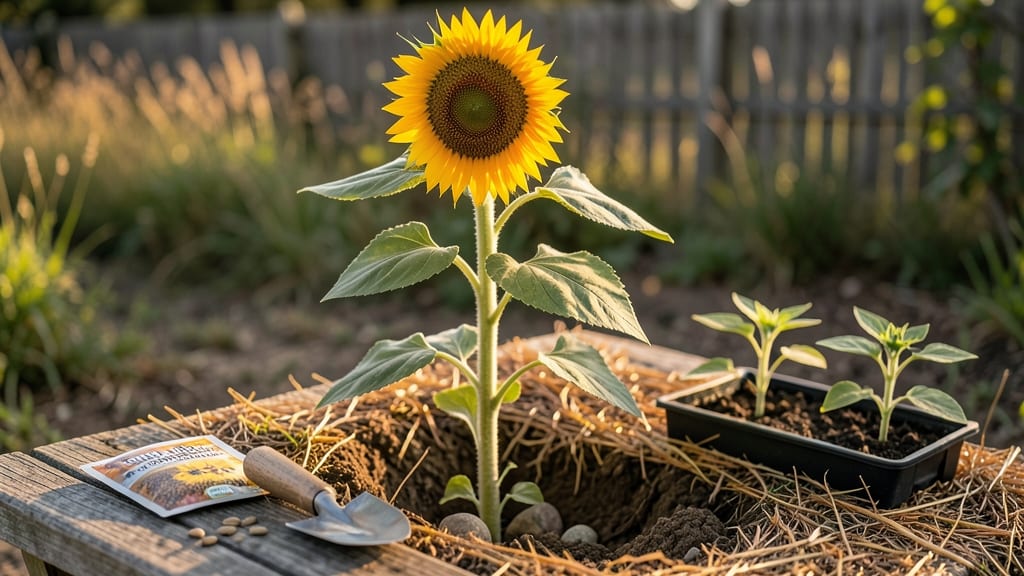
Planting sunflowers in North Carolina at the wrong time can mean the difference between towering 🌻 blooms and wilted disappointment. The key isn't just about spring—it's about matching your USDA zone to frost-free dates, soil warmth, and even your sunflower variety's maturity speed.
I've learned the hard way that Zone 7a's cooler springs demand earlier starts than Zone 8b's longer growing season. Whether you're growing 12-foot giants or 5-foot dwarfs, timing affects everything from germination to harvest. Let me show you exactly when to plant for your specific corner of the state.
We'll cover the 30-day window between last frost and ideal soil temps (at least 60°F), plus how to adjust for early vs. late varieties. You'll also discover why some gardeners swear by indoor starts while others direct-sow with perfect success.
Ready to grow sunflowers that reach their full potential? Let's dive into the exact planting schedule that works for North Carolina's diverse climate—no more guessing, just blooming success.
North Carolina sunflower planting dates by USDA Zone (frost-free guide)
North Carolina's diverse climate—from the Coastal Plain's humid warmth to the Mountains' cooler springs—creates distinct sunflower planting windows. In USDA Zones 7a-8b, timing your seeds or transplants to avoid late spring frosts while ensuring soil warmth (at least 55°F) is critical for germination.
Miss the window, and you risk stunted growth or bolting too early.
For direct-sown seeds, most NC gardeners aim for April through early June, but your exact dates depend on your zone. Transplants (purchased or home-started) can go in slightly earlier, once nighttime temps stay above 45°F.
Dwarf varieties like 'Teddy Bear' tolerate cooler soils better than giant types like 'Mammoth Russian,' which need warmer conditions.
Below is your frost-free planting guide by zone, including last frost dates, ideal soil temps, and variety-specific tips. Use this to align your sunflower timeline with NC's 120-150 frost-free days—enough time for even late-blooming varieties to mature before winter's chill.
🌱
In Zone 7a, where frosts linger until May 1, opt for early-maturing varieties (60–75 days) like 'Autumn Beauty' or start seeds indoors 4–6 weeks before your last frost. For
5 Critical factors that determine the best planting time for sunflowers in NC
While frost dates are important, they're just the starting point for sunflower planting in North Carolina. I've found that soil temperature, seed depth, and even maturity rates play equally critical roles in determining your exact planting window.
For example, a 30-day variety like 'Teddy Bear' needs different timing than a 120-day giant like 'Russian Giant'.
Let me break down the five key factors that will help you pinpoint the perfect moment to plant sunflowers in your specific corner of the state. These insights come from years of testing different varieties and planting methods across NC's diverse climate zones.
Soil Temperature
Wait until soil reaches 60°F+ at 2" depth. Use a soil thermometer—cold soil delays germination and invites rot. In Zone 7a, this typically means waiting until mid-April or later.
Seed Depth
Plant seeds 1 inch deep—any deeper and they'll struggle to emerge. In sandy soils (common in Coastal Plain), you can plant slightly shallower (½ inch) for faster sprouting.
Maturity Rate
Calculate backward from your first frost date. A 60-day variety needs planting 2-3 months before frost, while 120-day giants need 4-5 months. In Zone 8b, this means starting early varieties by March.
Drought Risk
North Carolina's summer droughts (especially in Piedmont) can stress young seedlings. Plant when 1-2 weeks of rain are forecasted, or irrigate consistently. Mulch helps retain moisture.
Variety Type
Dwarf varieties (30-60 days) can handle later starts, while tall types (90-120 days) need early planting. Confetti sunflowers (edible petals) often perform best with a mid-April start across all zones.
For example, in my Zone 7b garden, I plant 'Moulin Rouge' (a 60-day variety) in early April when soil hits 60°F, while my 'Russian Giant' seeds go in late March under row covers to give them a head start.
This two-phase approach ensures both early and late blooms all summer long.
Don't forget that direct sowing works best for sunflowers—they dislike transplant shock. However, if you're dealing with a short growing season (like in the Mountains), starting seeds indoors 2-3 weeks before the last frost can give you an edge.
Just be sure to harden them off properly before moving outside.
Pro tip: Mark your calendar for June 1 as the absolute latest date to plant sunflowers in NC. After this, your plants may not reach maturity before frost, especially in the northern zones.
With these five factors in mind, you'll be able to adjust your planting schedule year after year for perfect sunflower blooms.