
Flowers
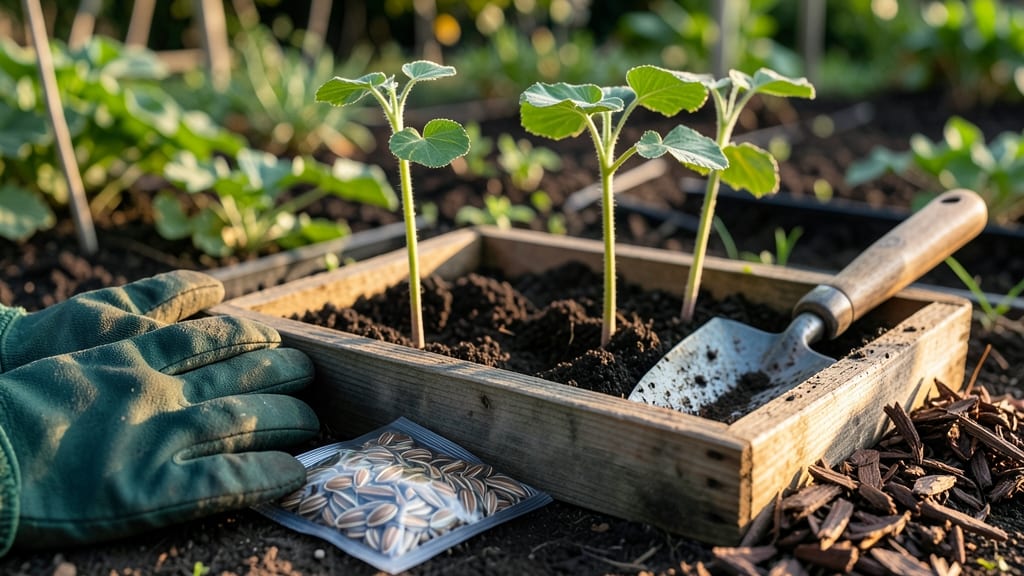
Planting sunflowers in Oklahoma at the wrong time means wilted stems and missed harvests—something no gardener wants. The key to zero-frost failures lies in timing, especially in USDA Zone 7b where late frosts can linger past March 15.
Most gardeners in Oklahoma swear by the mid-April to early June window, but there’s a secret second chance: late July for fall blooms. This strategy lets you avoid Oklahoma’s brutal summer heat while still enjoying 🌻 sunflowers until October.
Whether you’re direct sowing or transplanting, the right timing makes all the difference. I’ll break down the exact dates, soil prep tips, and how to pick varieties that thrive in Oklahoma’s 6a-7b climate—so you can skip the guesswork and grow sunflowers that reach their full potential.
Ready to transform your garden into a towering sunflower display? Let’s get started with the most efficient planting schedule for Oklahoma’s unique seasons.
Optimal sunflower planting dates in Oklahoma’s USDA Zone 7b
Sunflowers in Oklahoma’s USDA Zone 7b need precise timing to avoid late spring frosts or summer heat stress. The average last frost date ranges from March 15 to April 15, but microclimates—like urban heat islands—can shift this window by weeks.
Planting too early risks frost damage, while late planting may delay blooms until fall’s first frost. Let’s break down the best windows for giant, dwarf, and bird-friendly varieties to maximize your sunflower’s potential.
Oklahoma’s soil temperature is the key factor, not just air temperature. Sunflower seeds need soil temps above 50°F to germinate reliably. In most of Zone 7b, this typically aligns with mid-April to early May, but northern Oklahoma (closer to Zone 7a) may need to wait until late April.
Use a soil thermometer to confirm—this small tool can save your entire crop from slow, uneven germination.
Here’s your Oklahoma sunflower planting timeline for three key varieties: giant (10+ ft), dwarf (3-6 ft), and bird-friendly (small, high-seed varieties). Each has unique timing needs based on maturity rates and frost sensitivity.
| Variety Type | Optimal Planting Window | Days to Maturity | Frost Risk Level | Best For |
|---|---|---|---|---|
| Giant (e.g., 'Mammoth Russian') | Mid-April to early May | 90-120 days | High (tall stems vulnerable) | Cut flowers, pollinators |
| Dwarf (e.g., 'Teddy Bear') | Late April to early June | 60-80 days | Low (short stems resilient) | Containers, borders, early harvests |
| Bird-Friendly (e.g., 'Autumn Beauty') | Late July for fall blooms | 70-90 days | Medium (fall frosts possible) | Wildlife gardens, late-season seed |
| All Varieties | Soil temp ≥50°F | N/A | Avoid planting after July 15 | Prevents heat stress |
🌱 Pro Tip: Use black plastic mulch to warm soil faster in early spring plantings.
For giant sunflowers, aim for mid-April to early May—this gives them 120+ frost-free days to reach maturity. Varieties like 'Mammoth Russian' need this full window to grow their 10-14 ft stems.
If you’re in western Oklahoma (hotter microclimates), you can push planting to late April, but monitor soil moisture closely—dry spells can stunt growth.
Dwarf varieties like 'Teddy Bear' are far more flexible. They thrive when planted late April to early June and mature in just 60-80 days. This makes them perfect for container gardens or urban Oklahoma plots where space is limited.
Their 3-6 ft height also means they’re less vulnerable to late spring frosts that can snap taller stems.
Don’t overlook fall planting for bird-friendly varieties! Oklahoma’s late July to early August window works surprisingly well. Plant 'Autumn Beauty' or 'Italian White' seeds by July 15 to enjoy fall blooms before the first frost.
These varieties mature in 70-90 days, giving them time to produce seeds for wildlife before winter sets in.
If you’re in southern Oklahoma (closer to Zone 8a), you can extend your window slightly—plant giant varieties until early May and dwarfs until late June. But remember: Oklahoma’s summer heat (often exceeding 100°F) can stress sunflowers planted after July 15.
Their deep roots help, but shade cloth may be needed for seedlings during extreme heat waves.
One critical mistake Oklahoma gardeners make is planting too early and hoping for the best. Seeds sown in March may sprout, but a late frost in April can kill young plants.
Always check your local Oklahoma Mesonet forecasts for frost advisories and have row covers ready if you’re pushing early plantings.
For maximum sunflower success, pair your planting date with proper soil prep. Oklahoma’s clay-heavy soils drain poorly when wet, so amend with compost or sand before planting. Sunflowers also appreciate well-draining soil
Oklahoma’s USDA Zone 7b climate gives sunflowers a fighting chance against frost, but only if you play smart. The secret to extending your growing season lies in strategic variety selection and protective techniques. Fast-maturing varieties like 'Moulin Rouge' (55-60 days) can beat early frosts, while row covers add an extra 2-4 weeks of protection. Don’t overlook Oklahoma’s heat islands—urban areas stay warmer at night, delaying frost. Plant near buildings or pavement to give your sunflowers a 10-day head start compared to rural gardens. This simple trick can turn a late-season planting into a harvest. Adjusting planting depth is another game-changer. Seeds planted 1 inch deep in cooler soil germinate faster than those buried deeper. For fall plantings, use lightweight row covers to trap heat without smothering young sprouts. Timing matters just as much as technique. For spring plantings, aim for mid-April to early May when soil reaches 50°F. Fall plantings should start by late July to ensure maturity before November’s first frost. Always monitor Oklahoma Mesonet alerts for sudden temperature drops. Protective mulches work wonders too. Straw or leaves around the base insulate roots, while black plastic mulch warms soil 4-6°F faster in spring. Combine these with dwarf varieties like 'Little Becka' (36 inches tall) for easier frost protection. With these strategies, you can enjoy sunflowers from June through October—turning your Oklahoma garden into a year-round sunflower spectacle. The key is combining the right varieties, timing, and protection for your microclimate. 🌻How to extend your sunflower growing season in Oklahoma
5 Proven Ways to Beat Oklahoma Frost