
Flowers
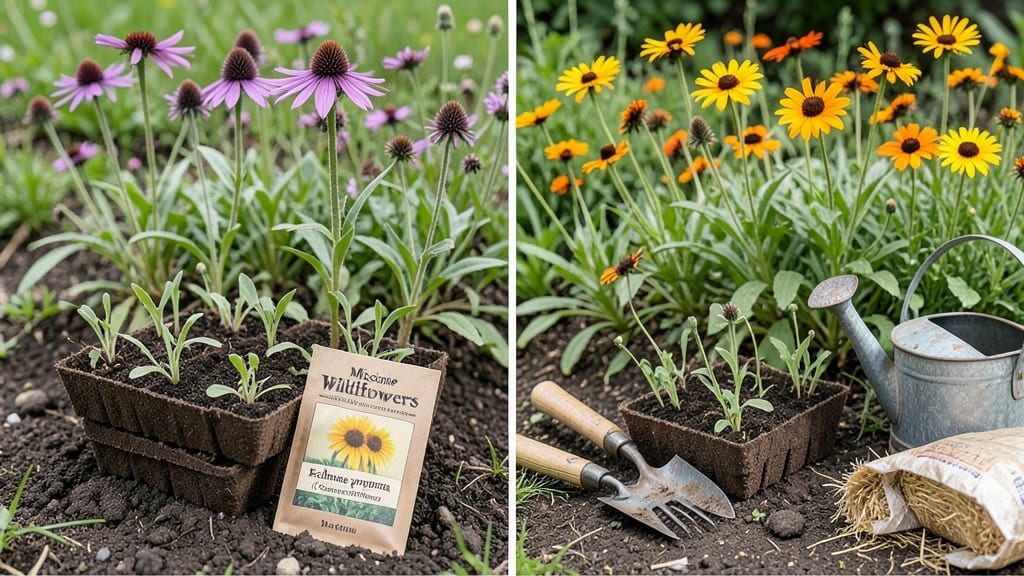
Planting wildflowers in Missouri at the wrong time can mean the difference between a vibrant, buzzing meadow and a patch of weeds. The ideal planting window depends on your USDA zone—whether you're in the cooler north (5b) or warmer south (6b)—and whether you're sowing annuals or perennials.
For most Missouri gardeners, the best months to plant are late winter to early spring (March-April) or late summer to early fall (August-September). This timing aligns with the last frost date and gives seeds the perfect chance to establish roots before harsh weather arrives.
But here's the catch: if you're in northern Missouri, you'll want to plant earlier than those in the southern part of the state. And if you're dreaming of a wildflower meadow that blooms from spring to fall, choosing the right species for your zone is just as important as timing.
I'll walk you through the exact planting schedule for each USDA zone, plus the top wildflower varieties that thrive in Missouri's climate—so you can create a meadow that's not only beautiful but also supports local pollinators. Let's get started!
Missouri wildflower planting calendar by USDA zone (5a-7a)
Missouri’s three distinct USDA zones—5a (northern), 6a (central), and 7a (southern)—create unique planting windows for wildflowers. Spring planting (March-April) is ideal for most species, while fall planting (August-September) extends bloom seasons. Microclimates like river valleys (warmer) and Ozark highlands (cooler) further refine timing.
In Zone 5a (northern Missouri), wait until after last frost (mid-April) to plant annuals like black-eyed Susans and coneflowers. Perennials, such as purple coneflower, can tolerate late fall planting (early September) for early spring blooms. Soil prep is critical—loosen compacted clay common in this region.
Zone 6a (central Missouri) offers a 6-week window for spring planting (March 15–April 30). Fall planting here should finish by September 15 to avoid winter kill. Prairie mixes thrive here, but avoid planting wetland species like swamp milkweed in dry prairie soils.
Zone 7a (southern Missouri) extends spring planting until May 1, while fall planting can go until October 15. Humid conditions favor moisture-loving wildflowers like blue flag iris, but drought-tolerant varieties (e.g., butterfly weed) also excel in well-drained soils.
Seed depth varies by species: fine seeds (e.g., lupine) need 1/8-inch coverage, while larger seeds (e.g., coreopsis) can be 1/4-inch deep. Always water lightly after planting to settle soil without displacing seeds.
Soil preparation is non-negotiable. Test pH levels (most wildflowers prefer 6.0–7.5compost or sand for clay-heavy soils. Remove weeds before planting—competition will choke out young seedlings.
Microclimates demand adjustments: River valleys (e.g., Mississippi River floodplain) stay 2–3°F warmer than uplands, allowing 2-week earlier planting. In Ozark highlands, late frosts can delay spring planting until May 1.
Annuals vs. perennials also dictate timing. Annuals (e.g., cosmos) planted in spring bloom all summer, while perennials (e.g., bee balm) benefit from fall planting for deeper root establishment.
After planting, mulch lightly (straw or leaves) to retain moisture and suppress weeds. Water deeply 2–3 times weekly until seeds germinate (usually 10–21 days), then reduce to once weekly once established.
Missouri’s wildflower success hinges on timing + soil prep. Follow these zone-specific windows, and you’ll transform your landscape into a pollinator paradise in just one season. 🌼
Missouri’s native wildflowers thrive when planted at the right time. Spring plantings in Zone 5a should prioritize hardy perennials like blazing star, while Zone 7a’s longer growing season
Missouri’s varied landscapes—from the dry prairie of the west to the wetland edges of the Mississippi—create perfect conditions for wildflowers that thrive in specific seasons and soil types. The key is matching your local microclimate with the right species. For example, coneflowers and black-eyed Susans love the drought of Missouri’s prairie regions, while swamp milkweed thrives in moist, acidic soils near streams. Native wildflowers not only adapt beautifully to Missouri’s USDA zones 5a-7a but also support local pollinators like bees and butterflies. Whether you’re planting for spring color or a summer-long bloom, choosing the right species ensures your meadow stays vibrant year after year. Let’s explore the top picks for each soil type and season. For northern Missouri (zones 5a-5b), focus on hardy perennials like wild bergamot and prairie phlox, which tolerate cooler springs and shorter growing seasons. In central and southern zones (6a-7a), you can extend your planting window into early fall for species like coreopsis and salvia, which bloom prolifically in warmer climates. Always test your soil’s pH and moisture before planting—most Missouri wildflowers prefer neutral to slightly acidic conditions (pH 6.0-7.0). If your soil is too alkaline, amend it with peat moss or compost to create the ideal environment. Mulch lightly after planting to retain moisture and suppress weeds without smothering delicate seedlings. My top tip? Start small with a 5x5-foot plot to test your soil and microclimate. Once you’ve nailed the conditions, expand your meadow for a stunning, low-maintenance display that thrives year after year. Happy planting! 🌼🌿
Best wildflower species for Missouri’s seasons and soil types