
Planting
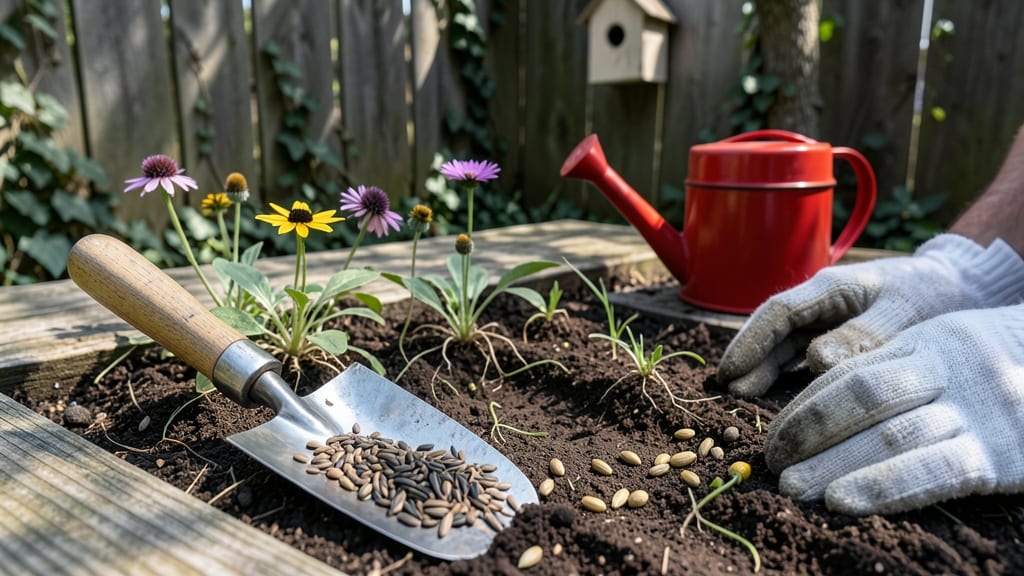
Sowing wildflower seeds 🌼 at the wrong time in Zone 6 could leave you staring at bare soil for months—until you finally spot a few stubborn weeds popping up instead.
The secret to a thriving meadow isn't just about the seeds you choose, but when you plant them to sync with your region's frost dates and rainfall patterns.
Most gardeners assume spring is the only option, but fall planting actually gives wildflowers a head start by letting seeds germinate early when temperatures are mild. I’ve tested both methods in my own Zone 6 garden, and the results—especially for pollinator-friendly mixes—are night and day.
In this guide, I’ll break down the exact spring vs. fall planting windows for Zone 6, including the ideal soil temps and moisture levels that make germination a success.
You’ll also discover which wildflower varieties thrive best with each approach, so you can plan ahead for year-round blooms without the guesswork.
Whether you’re restoring a patch of prairie or just adding color to a sunny corner, getting the timing right means less waiting and more enjoying the buzz of bees on vibrant petals by summer. Let’s get those seeds in the ground the smart way.
Optimal sowing times for wildflower seeds in Zone 6: spring vs fall comparison
Choosing the right time to sow wildflower seeds in Zone 6 can transform your garden from a patch of weeds to a vibrant pollinator paradise. The key lies in understanding how temperature fluctuations and soil conditions influence germination rates and bloom timing.
Both spring and fall offer distinct advantages, depending on your goals—whether you want summer blooms or next-year's color show.
In my experience, fall planting often yields stronger results because cooler temperatures reduce weed competition, and seeds get an early start on root development. However, spring planting can deliver instant gratification with summer blooms.
Let's break down the best windows for each season, including ideal temperature ranges, soil preparation, and expected bloom times for popular wildflower mixes.
| Factor | Spring Planting (March-April) | Fall Planting (August-September) |
|---|---|---|
| Best Time | After last frost (April 15) | 6-8 weeks before first frost (Sept 15) |
| Ideal Soil Temp | 50-65°F (10-18°C) | 55-70°F (13-21°C) |
| Germination Time | 10-21 days | 7-14 days |
| Bloom Time | Summer (June-Sept) | Next summer (June-Sept) |
| Weed Competition | High (spring weeds) | Low (cooler temps) |
| Watering Needs | Moderate (establishment) | Light (fall rains help) |
| Best For | Quick summer color | Long-term meadows |
For spring planting, aim to sow seeds after your last frost date (typically around April 15 in Zone 6). The soil should reach 50-65°F (10-18°C) for optimal germination. This timing ensures seeds won't rot from cold, wet soil while giving them enough warmth to sprout quickly.
I've found that preparing the soil in early March—by removing weeds and tilling lightly—gives seeds the best chance to establish before summer heat arrives.
When planting in fall, focus on the 6-8 week window before your first frost (around August 15-September 15). Cooler temperatures in fall create ideal conditions for seeds to germinate slowly, developing strong roots before winter.
This method often produces hardier plants with better drought resistance. Plus, fall-sown seeds benefit from natural winter stratification, a process that breaks seed dormancy naturally.
One critical factor often overlooked is seed depth. Wildflower seeds are tiny and light-sensitive, so they should only be pressed ¼ inch deep into the soil.
In spring, I use a light rake or hoe to create a fine, loose surface, while in fall, I rely on natural rainfall to settle seeds gently. Over-burying seeds can prevent them from reaching sunlight, which they need to germinate.
If you're planting a wildflower mix, pay attention to the bloom timing of individual species. For example, Black-eyed Susans and Coneflowers thrive with spring planting, delivering summer blooms that attract pollinators.
In contrast, Goldenrod and Aster often perform better when sown in fall, providing late-season color that extends the garden's usefulness for bees and butterflies.
Another pro tip: Mulch lightly after sowing to retain moisture and suppress weeds. In spring, I use straw mulch at a ¼-inch thickness, while in fall, a thin layer of leaves works perfectly.
Avoid heavy mulching, as it can smother small seedlings. Remember, wildflowers are low-maintenance once established, but the first growing season requires consistent care.
For gardeners in northern Zone 6 (like Chicago or Madison), fall planting might extend slightly later into early October, while those in southern Zone 6 (like Richmond or Nashville) can push it to mid-October. Always check your local <
Top 5 wildflower seed varieties that thrive in Zone 6 planting seasons
When choosing wildflower seeds for Zone 6, the right variety paired with the correct planting season determines whether you’ll have a lush meadow or a disappointing weed patch.
I’ve narrowed down the top 5 performers that excel in both spring and fall planting, offering long bloom seasons and pollinator magnet appeal. These varieties handle Zone 6’s hot summers and variable winters with ease.
For spring planting (March-April), focus on varieties that germinate quickly in warming soils and establish roots before summer heat sets in. Fall planting (August-September) works best with species that need a cool stratification period to break dormancy.
The key? Matching seed needs to your local frost dates—typically April 15 for last frost and October 15 for first frost in Zone 6.
| Variety | Best Planting Season | Bloom Duration | Depth/Spacing | Pollinator Appeal |
|---|---|---|---|---|
| Black-Eyed Susan (Rudbeckia hirta) | Spring or Fall | July-September | ¼" deep, 12" apart | Bees, Butterflies |
| Purple Coneflower (Echinacea purpurea) | Fall Preferred | June-October | ½" deep, 18" apart | Bees, Hummingbirds |
| Butterfly Weed (Asclepias tuberosa) | Spring Only | June-August | ½" deep, 12-18" apart | Monarch Butterflies |
| Coreopsis (Coreopsis lanceolata) | Spring or Fall | May-September | ¼" deep, 10" apart | Bees, Ladybugs |
| Yarrow (Achillea millefolium) | Fall Preferred | June-October | ¼" deep, 12" apart | Bees, Wasps |
My top pick for spring planting is Butterfly Weed, which thrives when sown in March-April and rewards you with bright orange blooms that monarch butterflies can’t resist. The ¼" depth requirement means minimal effort—just scatter and press into soil.
For fall planting, Purple Coneflower and Yarrow are unbeatable, as their seeds benefit from natural cold stratification over winter.
All five varieties are drought-tolerant once established, making them perfect for low-maintenance meadows. Black-Eyed Susan and Coreopsis are particularly forgiving—they’ll self-seed and return year after year, creating a self-sustaining pollinator buffet.
Pro tip: Mix these with clover or vetch for extra nitrogen in the soil and even more bee activity.
For maximum impact, combine spring-sown Butterfly Weed with fall-sown Coneflower and Yarrow. This staggered approach ensures continuous blooms from June through October, giving pollinators a nonstop food source during their critical active seasons. Just remember: thin seedlings to recommended spacing by late spring to avoid overcrowding.
🌼 Start with just one variety if you’re new to wildflowers—I recommend Black-Eyed Susan for its easy care and bold colors. Once you see how quickly it fills your garden, you’ll be hooked on creating a pollinator paradise that thrives year after year.