
Size
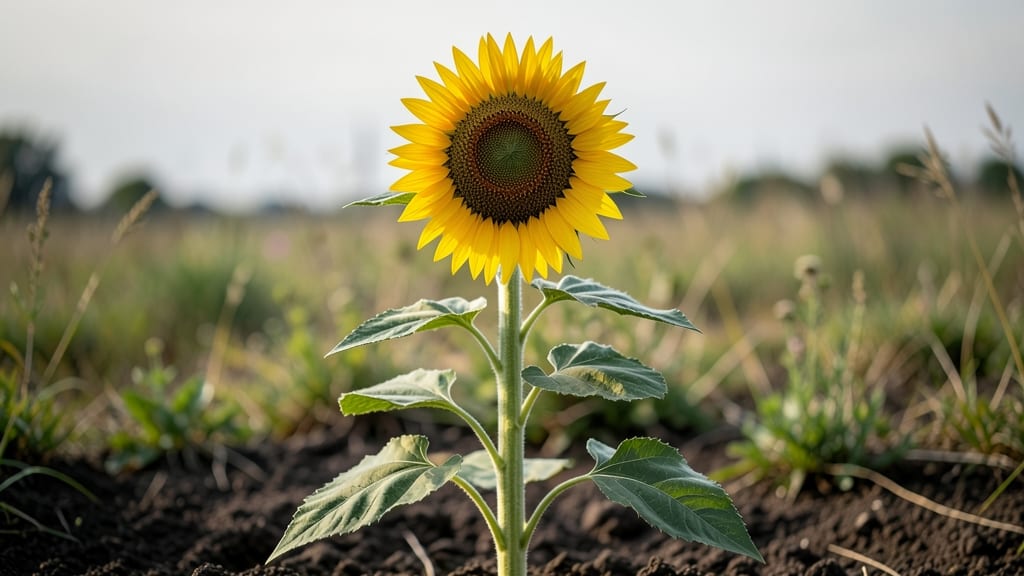
If you’ve ever planted a 🌻 sunflower and watched it shoot up overnight, you know these plants don’t mess around when it comes to height. Some varieties barely clear your knees, while others can dwarf your entire backyard—reaching heights that make skyscrapers look modest.
The height of sunflowers isn’t just about aesthetics; it’s about strategy. Whether you’re dreaming of a towering centerpiece or a compact patio display, choosing the right variety—and giving it the space it needs—can make or break your garden’s success.
Let’s break down how genetics, sunlight, and soil team up to determine just how tall your sunflowers will grow.
From dwarf varieties perfect for containers to giant species that could shade your fence, we’ll cover everything you need to know. You’ll learn how to space them properly, when to stake them for support, and which types work best for cut flowers, bird feeders, or just pure show-stopping drama.
Ready to turn your garden into a sunflower wonderland? Let’s dive into the secrets of these sun-soaked giants and how to harness their full potential—without sacrificing your yard’s layout.

Sunflower height by variety: from dwarf to giant species
Sunflowers come in a stunning range of heights, from compact dwarf varieties perfect for containers to towering giants that can rival two-story buildings. The genetics of each variety determine their mature height, making them ideal for everything from urban balconies to rural fields.
Whether you're chasing dramatic focal points or space-saving solutions, choosing the right height is essential for your garden's design and function.
The three main height categories—dwarf, mid-size, and giant—offer distinct advantages. Dwarf varieties (1-3 ft) thrive in small spaces, while mid-size (3-6 ft) creates balanced borders, and giant (8-14+ ft) delivers breathtaking vertical interest.
Let's explore how these heights translate into real-world garden applications and which cultivars deliver the best performance.
| Variety Type | Height Range | Popular Cultivars | Best For |
|---|---|---|---|
| Dwarf | 1-3 ft | 'Teddy Bear', 'Moulin Rouge', 'Pocket Sun' | Containers, borders, urban gardens |
| Mid-Size | 3-6 ft | 'Autumn Beauty', 'ProCut', 'Sunspot' | Cut flowers, pollinator gardens |
| Giant | 8-14+ ft | 'Russian Giant', 'Mammoth', 'American Giant' | Focal points, bird feeders, large landscapes |
The 'Teddy Bear' sunflower is a fan favorite for its 2-3 ft height and velvety petals, making it perfect for container gardens and child-friendly spaces. Its compact size means it won't overwhelm small patios or balconies, yet it still attracts pollinators like bees and butterflies.
For cut flower arrangements, the 'Moulin Rouge' variety reaches 3-4 ft with striking red and yellow bicolor blooms that last weeks in vases.
When selecting mid-size varieties, consider the 'Autumn Beauty' series, which grows 4-6 ft tall and produces sequential blooms in shades of yellow, orange, and red. This extended flowering period makes it ideal for season-long color.
For commercial cut flower growers, the 'ProCut' variety stands at 5-6 ft with thick, sturdy stems that hold up well in bouquets.
For gardeners dreaming of dramatic vertical statements, giant sunflowers like the 'Russian Giant' can reach 12-16 ft under ideal conditions. These monster sunflowers require ample space and support but create unforgettable focal points in large gardens.
Their massive seed heads also make excellent bird feeders once dried. The 'American Giant' variety typically grows 10-14 ft and is prized for its huge single blooms that can measure over 12 inches across.
Genetics play a crucial role in determining sunflower height. Dwarf varieties often have shorter internodes (the distance between leaf nodes), while giant varieties have longer internodes and more robust stems.
The number of lateral branches also affects overall size—some varieties like 'Teddy Bear' produce fewer branches for a neater, bushier form, while giant varieties may develop multiple lateral shoots that increase their spreading width.
If you're working with limited garden space, consider the 'Pocket Sun' series, which stays under 2 ft tall and thrives in 5-gallon containers. These miniature sunflowers are perfect for patio gardens or window boxes while still attracting beneficial insects.
For small-space gardens, planting dwarf varieties in clusters creates a lush, colorful display without overwhelming your layout.
When planning your sunflower garden, remember that taller varieties need more space not just vertically but horizontally for root spread. Giant sunflowers, for example, can develop root systems spanning 3-4 ft wide, so give them plenty of room to avoid competition for nutrients.
For urban gardeners, mid-size varieties offer the best compromise—providing height and drama without requiring excessive space.
For cut flower enthusiasts, taller varieties like 'Mammoth' (10-12 ft) produce long, sturdy stems ideal for large bouquets. However, their height requires staking to prevent wind damage and stem breakage. Always choose varieties suited to your garden's scale—a 14-ft
Proper spacing for sunflowers by height: avoid crowding and boost growth
Sunflowers may seem like simple plants to toss into your garden, but their spacing needs are directly tied to their mature height. Crowding them too closely leads to stunted growth, poor airflow, and increased disease risk—while giving them room ensures they reach their full genetic potential.
The key? Understanding how their root spread and stem diameter scale with height.
Taller sunflowers, like the Russian Giant variety, develop deeper root systems to support their weight, while dwarf varieties like 'Teddy Bear' have shallower roots. This means their spacing requirements differ dramatically.
For example, a 10-foot giant needs at least 2 feet of space between plants, while a 3-foot dwarf can thrive with just 12 inches of separation. Let’s break down the science-backed spacing rules to avoid competition for sunlight and nutrients.
For container gardening, the rules shift dramatically. Dwarf varieties like 'Moulin Rouge' thrive in 5-gallon pots, but even mid-size sunflowers need at least 10 gallons of space to avoid root-bound stress.
Giant varieties? Forget containers—their root systems can spread wider than their height, making them a ground-plant-only choice unless you’re willing to sacrifice their growth.
Soil type also plays a role. In clay-heavy soil, roots struggle to expand, so increase spacing by 4 inches to compensate. Conversely, sandy soil drains too quickly, allowing roots to spread faster—you can reduce spacing by 2 inches without risking competition.
Always loosen the soil before planting to encourage root penetration, especially for taller varieties.
Proper spacing isn’t just about avoiding crowded stems—it’s about maximizing sunlight exposure and nutrient access. Sunflowers over 6 feet tall cast significant shade, so space them to ensure even light distribution.
For example, a 12-foot 'Russian Giant' should have 4 feet of clearance on all sides to prevent neighboring plants from becoming leggy or diseased.
Ready to plan your sunflower garden? Grab a tape measure, sketch your layout, and remember: taller sunflowers need more space, but even dwarf varieties deserve room to shine.
Start with the spacing guidelines above, then adjust based on your soil type and garden layout. Your sunflowers—and your neighbors—will thank you for the thoughtful design!