
Planting
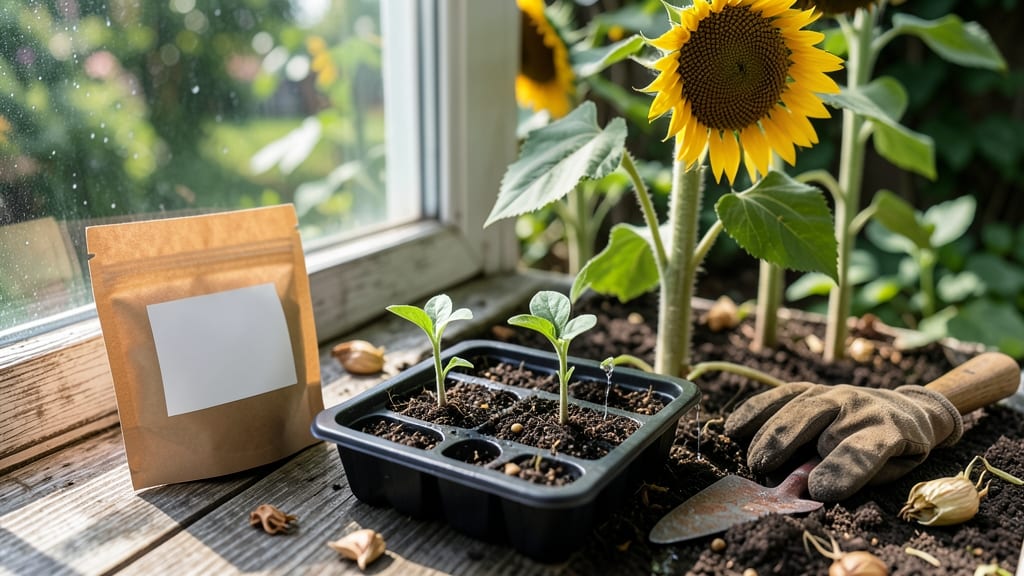
If you’ve ever wondered how long it takes a sunflower seed to grow from a tiny speck in the soil to a towering 🌻 reaching for the sky, you’re not alone.
The journey is a mix of patience, science, and a little luck—but knowing the timeline helps you set realistic expectations and avoid common pitfalls.
From the moment you plant that seed in April or May (after the last frost in Zone 6a), germination typically kicks in within 7 to 14 days, depending on soil warmth and moisture.
But here’s the catch: the real magic happens in the weeks that follow, as your sunflower transforms through distinct stages—each with its own timeline and care needs.
By July or August, if conditions are right, you’ll start seeing those iconic flower buds form, leading to full bloom in about 80 to 120 days total.
That’s not just a number—it’s your cue to adjust watering, sunlight, and even fertilizer to keep your sunflowers on track for their most rewarding moment: that first golden bloom.
Whether you’re a first-time gardener or a seasoned pro, understanding these stages helps you troubleshoot delays, celebrate milestones, and—most importantly—enjoy the process. Let’s break down exactly what to expect at each step, so you can grow sunflowers that thrive.

Sunflower growth stages timeline: from seed to full bloom
Understanding the sunflower growth stages helps you track progress and anticipate care needs. From the moment you plant a sunflower seed to its majestic bloom, each phase brings unique milestones. Most varieties complete this journey in 80-120 days, though timing varies based on conditions and variety.
Let’s break down what to expect at each stage, so you can nurture your plants with confidence.
First, the germination stage begins when you plant seeds 1 inch deep in warm, moist soil. Within 5-14 days, you’ll spot tiny sprouts pushing through the earth. This phase is all about creating the right conditions—consistent moisture and soil temperatures above 50°F (10°C) speed up the process.
Patience here pays off, as rushing can lead to weak seedlings.
Once sprouted, your sunflowers enter the seedling stage, lasting about 2-3 weeks. During this time, the plants focus on developing their first true leaves and a sturdy stem.
This is when they’re most vulnerable to overwatering or pests, so monitor closely. Thin seedlings to 6-12 inches apart to give them room to grow without competing for nutrients.
| Stage | Duration | Key Milestones | Care Tips |
|---|---|---|---|
| Germination | 5-14 days | First sprouts appear | Keep soil moist, maintain 50-70°F (10-21°C) |
| Seedling | 2-3 weeks | First true leaves | Thin to 6-12 inches apart, avoid overwatering |
| Vegetative | 4-6 weeks | Rapid stem growth (up to 6 ft) | Stake tall varieties, fertilize lightly |
| Flowering | 2-4 weeks | Bud formation, full bloom | Water deeply, support heavy heads |
| Seed Maturation | 2-4 weeks | Petals wilt, seeds dry | Harvest when back turns yellow |
The vegetative stage is where the magic happens—your sunflowers grow rapidly, often shooting up 2-3 inches per day under ideal conditions. This phase lasts 4-6 weeks and is critical for stem strength.
If you’re growing tall varieties, consider staking or tying them to supports to prevent toppling. Light fertilization with a balanced 10-10-10 mix can boost growth without burning young plants.
As your sunflowers transition to the flowering stage (weeks 8-10), you’ll notice buds forming at the top of the stem. These buds will open into those iconic yellow blooms within 2-4 weeks, depending on the variety.
This is also when your plants need the most water and nutrients to support heavy flower heads. Watch for bird activity—they love sunflower seeds too! Use netting if you plan to save seeds for next year.
The final stage, seed maturation, begins when the petals wilt and turn brown. This signals that the seeds inside are ready for harvest, typically 2-4 weeks after flowering. To test readiness, gently squeeze the back of the flower head—if it feels firm and seeds rattle inside, they’re ready.
Cut the heads and hang them upside down in a dry, well-ventilated space to finish drying. This entire process from seed to seed takes about 100-120 days for most varieties.
Tracking these stages helps you anticipate care needs, like staking tall stems or protecting buds from pests. For example, if your sunflowers are bolting too early (shooting up without flowering), they may need more sunlight or cooler temperatures.
By understanding each phase, you’ll enjoy healthier plants and more vibrant blooms year after year.
Pro tip: Keep a garden journal to note planting dates, weather conditions, and milestone dates. This helps you refine your approach for future sunflower growing seasons. Whether you’re a beginner or a seasoned gardener, watching a sunflower grow from seed to bloom is a journey worth celebrating!
Factors that speed up or delay sunflower germination and growth
Sunflower seeds are resilient, but their germination speed and growth rate depend heavily on a few key factors. When I planted my first batch last spring, I learned the hard way that soil temperature and moisture levels can turn a 7-day sprout into a 3-week wait.
The good news? With the right conditions, you can cut that timeline nearly in half and enjoy faster, healthier blooms.
One of the biggest game-changers is soil warmth. Sunflower seeds need soil temperatures above 50°F (10°C) to germinate, but they thrive when it reaches 70-85°F (21-29°C). If your spring is cool, consider using black plastic mulch or a cold frame to speed things up.
I’ve seen germination drop from 14 days to just 5 days with these tricks!
Now, let’s talk sunlight—because sunflowers aren’t just named for their love of sun; they demand it. Without 6-8 hours of direct sunlight daily, growth slows dramatically. My shade-loving friends planted theirs under a tree and were disappointed when their sunflowers grew 3x slower and produced weak stems.
Even partial shade can delay flowering by weeks.
⚡ Speed Up Germination & Growth
✅ Pros
- Warm soil (70-85°F): Cuts germination time to 5-7 days
- Full sun (6-8 hrs/day): Boosts growth rate by 50%
- Consistent moisture: Prevents seed rot and speeds sprouting
- High-quality seeds: Germinate faster and grow straighter
- Balanced fertilizer: Supports rapid stem and leaf development
❌ Cons
- Cool soil (<50°F): Delays germination by 2-3 weeks
- Partial shade: Weak stems and slower flowering
- Overwatering: Causes seed rot and damping-off disease
- Old/low-quality seeds: May take 21+ days to sprout
- Nutrient deficiency: Leads to stunted growth and poor blooms
💡 Pro Tip: Test soil moisture with your finger—it should feel damp but not soggy. Adjust watering every 3-5 days based on weather.
Watering is another critical factor, but overdoing it can backfire. Sunflowers need deep, infrequent watering—about 1-2 inches per week—to encourage strong root growth. I once drowned my seedlings by watering daily, and they took twice as long to sprout.
The key is to water at the base of the plant in the morning to reduce fungal risks.
Don’t overlook seed quality either. Fresh, high-quality seeds from reputable suppliers germinate faster and grow more uniformly. Last year, I compared store-bought seeds with ones from a local farm, and the farm seeds sprouted in 7 days while the store seeds took 14 days.
If you’re on a budget, store seeds in a cool, dry place and plant them within 1-2 years for best results.
Finally, fertilizer timing makes a surprising difference. A light application of 10-10-10 fertilizer when seedlings are 4-6 inches tall can jumpstart growth. I’ve seen sunflowers reach 5 feet in just 30 days with proper feeding, compared to 8 weeks without.
Just avoid over-fertilizing—too much nitrogen leads to leafy growth at the expense of flowers.
By mastering these factors, you’ll turn how long does a sunflower seed take to grow from a guess into a predictable timeline. My fastest-growing sunflowers bloomed in just 75 days, while slower ones took nearly 120 days.
The difference? Paying attention to these details. Now grab your gloves—your sunflowers are waiting!