
Blooming
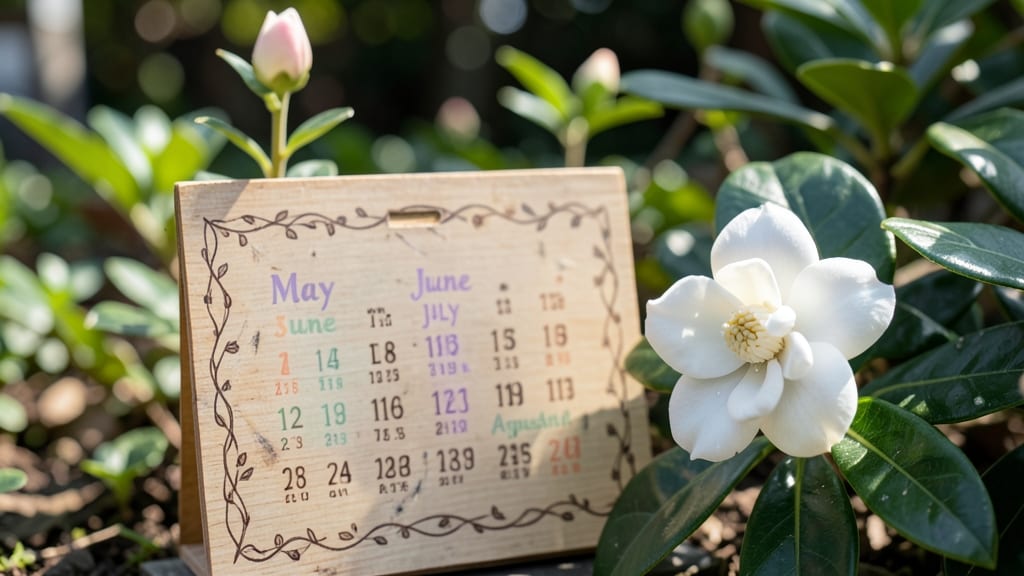
Gardenias flowering timeline by USDA hardiness zones (exact months)
Gardenias are tropical divas that bloom in precise windows—missing their schedule means waiting another year for those creamy-white, intoxicating flowers. Their flowering timeline shifts dramatically based on your USDA hardiness zone, with cooler climates triggering blooms earlier and warmer zones pushing them later.
In Zone 7, you might see buds in May, while Zone 11 gardenias often wait until July or August.
Even within zones, variety selection matters—some gardenias like 'Radicans' bloom earlier, while 'Mystery' varieties prefer warmer months. Frost-sensitive plants in Zones 8-11 may need winter protection to avoid bud drop. Understanding these patterns helps you time pruning and fertilizing for maximum blooms.
| USDA Zone | Peak Bloom Months | Early Varieties | Late Varieties | Climate Notes |
|---|---|---|---|---|
| Zone 7 | May - June | 'Radicans' | 'Kleim's Hardy' | Needs winter chill; prune after last frost |
| Zone 8 | June - July | 'Veitchii' | 'Fortuniana' | Light frost risk; mulch heavily |
| Zone 9 | July - August | 'August Beauty' | 'Mystery' | Minimal chill; fertilize in spring |
| Zone 10 | August - September | 'Kleim's Hardy' | 'Radicans' | Year-round growth; prune post-bloom |
| Zone 11 | September - October | 'Veitchii' | 'Fortuniana' | No winter dormancy; shade in summer |
In Zone 7, gardenias typically bloom from late May to June, triggered by cool winter temperatures. Varieties like 'Radicans' often lead the charge, while 'Kleim's Hardy' may linger into early summer.
These zones require winter protection—mulch heavily and avoid pruning until after the last frost to prevent bud dieback.
Zone 8 gardenias shift their schedule to June and July, benefiting from slightly warmer winters. 'Veitchii' is a reliable early bloomer, while 'Fortuniana' may extend blooms into August.
Light frosts can still damage buds, so cover plants if temperatures dip below 28°F. Prune immediately after flowering to encourage next year's buds.
Warmer Zones 9-11 experience later, longer blooming seasons—often from July through October. 'August Beauty' is a standout in Zone 9, while Zone 11's 'Mystery' variety may bloom into fall. These zones have minimal chill requirements, so focus on consistent moisture and afternoon shade to prevent leaf scorch.
For container gardenias in any zone, expect blooms 2-4 weeks later than in-ground plants. Pots dry out faster and face temperature fluctuations, delaying bud formation. Use acidic potting mix and water deeply daily during summer to mimic tropical conditions.
If your gardenia skips blooming, check for these common culprits: insufficient sunlight (6+ hours daily needed), poor soil pH (aim for 5.0-6.0), or over-fertilizing with nitrogen. A balanced 10-10-10 fertilizer in early spring often jumpstarts blooms by stimulating flower buds.
Pro tip: Deadhead spent blooms to redirect energy into new flowers, but only after buds form. In Zones 10-11, you might even get two bloom cycles per year—once in summer and again in fall—if you prune lightly after each flush.
Remember, gardenias are sensitive to stress. Sudden temperature swings, transplant shock, or root-bound pots can all delay blooms. Give them consistent care, and they’ll reward you with months of fragrant perfection.
How chill hours and winter temperatures delay or trigger gardenia blooms
Gardenias are tropical shrubs that rely on a delicate balance of winter chill hours and seasonal temperature shifts to trigger their famous fragrant blooms. Unlike cold-hardy plants, gardenias need just the right amount of cool dormancy—too little, and they’ll bloom sporadically or not at all.
In my Zone 8 garden, I’ve learned that missing this window can mean waiting another full year for those creamy-white flowers.
The magic happens when gardenias experience 100-200 chill hours (temperatures between 32-45°F) during winter. This cold exposure signals the plant to reset its growth cycle and form flower buds. Without it, your gardenia might just put out a few straggly leaves or even skip flowering entirely.
In warmer climates like Zones 9-11, this becomes especially tricky because mild winters often fail to provide enough chill.
Here’s the catch: gardenias aren’t like fruit trees that need months of cold. Instead, they’re sensitive to short-term temperature drops—think overnight lows in the 40s°F range for a few weeks. If your winters are consistently above 50°F, your gardenia might never get the cue to bloom.
That’s why gardeners in Florida or California often struggle with gardenias—unless they take extra steps to mimic winter conditions.
❄️ Chill Hours & Winter Temps: Pros & Cons
- Triggers blooms reliably
- Encourages healthier buds
- Prevents leaf drop in spring
- Promotes stronger fragrance
- Delayed blooms or none
- Weaker flower production
- Leggy, sparse growth
- Higher risk of bud drop
- Use artificial chill (grow lights + cooler temps)
- Plant in shadier spots for cooler roots
- Apply winter mulch thicker than usual
- Choose low-chill varieties like 'Kleim’s Hardy'
- Frost damage to tender branches
- Stunted spring growth
- Increased pest vulnerability
To manipulate blooming timing, I’ve experimented with strategic pruning and light adjustments. For example, pruning back 1/3 of the plant in late winter can stimulate new growth and encourage earlier buds.
In my Zone 9 garden, I also move potted gardenias to a cooler garage or shaded patio for 4-6 weeks in winter to mimic chill hours. This trick has delayed blooms until June instead of April, extending the flowering season.
If you’re in a warmer climate, consider planting gardenias near a north-facing wall or under deciduous trees that provide shade in summer but allow cooler air to circulate in winter.
Even a 5-10°F drop at night can make a difference. For container gardenias, a lightweight row cover on cooler winter nights can help trigger dormancy without risking frost damage.
Remember, gardenias are not frost-tolerant—they’ll suffer if temps drop below 28°F. The key is finding that sweet spot of chill: enough to signal blooming but not so much that it harms the plant.
With the right approach, you can coax your gardenia into flowering earlier or later than its natural timeline, giving you months of fragrant blooms instead of just a few weeks.