
Blooming
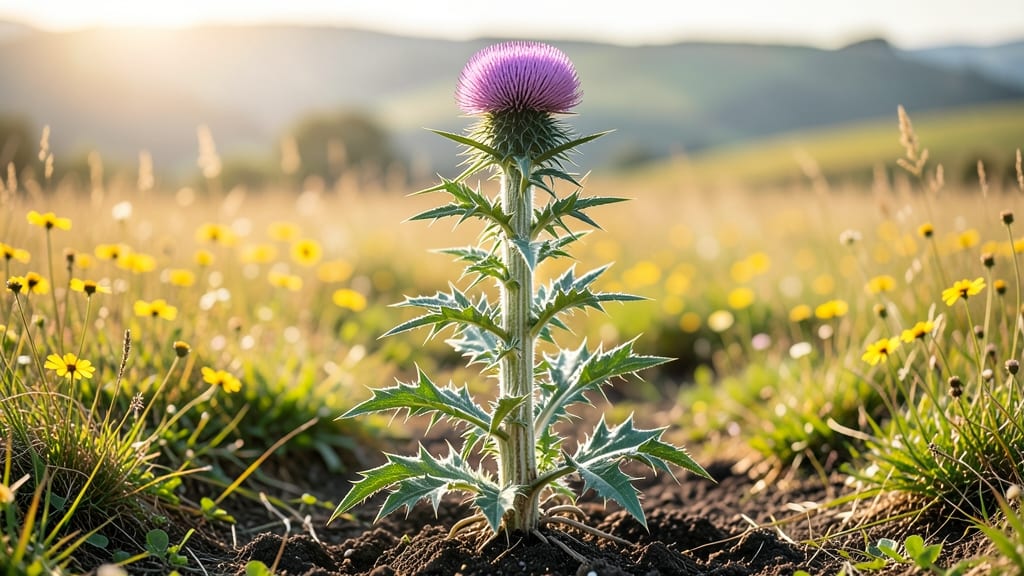
Thistles flower in a way that feels almost magical—one day they’re just spiky green rosettes, and the next, they’re towering 🌵 structures covered in vibrant blooms.
If you’ve ever wondered when do thistles flower, the answer depends on more than just the season—it’s tied to their species, your climate, and even how much sunlight they get.
Most thistles in USDA Zone 6 burst into bloom between late spring and early summer, but Mediterranean varieties might flower earlier or later. Annual thistles often bloom once in their first year, while perennials like the Scotch thistle can rebloom if conditions are right.
The key? Understanding these patterns helps you predict—and even influence—their flowering cycle.
Whether you’re dealing with an unwanted patch or hoping to support pollinators, timing matters. Too much shade or poor soil can delay blooms, while proper sunlight and nutrients can encourage them. Let’s break down the seasonal stages and what triggers thistles to flower—so you can take control of their growth.
From creeping thistles to towering Scotch varieties, each type has its own rhythm. By learning these cues, you’ll know exactly when to expect those striking purple or pink blooms—and how to manage them before they spread.
Thistle flowering seasons by type: annual vs perennial blooming patterns
Thistles are fascinating plants with dramatic blooming cycles that can transform your landscape overnight. While some varieties appear briefly and vanish, others return year after year. The key difference lies in whether you're dealing with annual or perennial thistles, each with distinct flowering windows.
Understanding these patterns helps you control unwanted spread or strategically encourage pollinator-friendly blooms.
Annual thistles like Cirsium vulgare (common thistle) complete their entire life cycle in one season, often blooming from late spring to early summer. Perennials such as Echinacea purpurea (coneflower) or Carduus thistle may rebloom for years, with flowering periods extending from summer into fall.
Regional climate plays a major role—cooler northern zones may see delayed blooms compared to warmer southern areas.
Here's a quick comparison of the most common thistle types and their flowering seasons to help you plan your garden strategy:
The annual-perennial distinction explains why some thistles disappear after flowering while others return stronger each year. Annuals like Cirsium vulgare invest all energy into one late spring bloom before producing seeds and dying.
Perennials like Echinacea store energy in their roots, allowing them to regrow and rebloom annually from summer through fall.
Climate significantly impacts bloom timing. In USDA Zone 5, thistles often wait until June or July to flower due to cooler temperatures, while Zone 9 gardens may see blooms as early as May.
Coastal regions with mild winters can extend flowering into early autumn, creating longer pollinator seasons. If you're in a Mediterranean climate, expect earlier blooms with potential fall reblooming.
For gardeners aiming to suppress thistle blooms, timing is critical. Remove annual thistles before seed heads form in late spring to prevent next year's growth. With perennials, targeted late summer pruning can reduce flowering while preserving the plant's energy for root development.
Conversely, if you're encouraging pollinators, leave some native perennial thistles like Echinacea unpruned to maximize their summer-to-fall bloom window.
One common misconception is that all thistles bloom simultaneously. While many species share similar timing, male and female flowers often mature at different rates. Male flowers typically appear first, followed by female blooms that produce seeds.
This staggered timing explains why some thistles seem to vanish while others persist—it's part of their natural reproductive strategy.
Understanding these patterns helps you make informed decisions about landscaping choices. If you're dealing with invasive species like Scotch thistle, early detection during their late summer blooming period is crucial for control. For ornamental gardens, selecting perennial varieties like Echinacea provides reliable season-long color with minimal maintenance.
Remember that thistles play an important ecological role. Their late summer-to-fall blooms provide nectar when many other plants have finished flowering. If you're creating a pollinator-friendly garden, consider leaving some native thistle species undisturbed during their critical blooming windows.
🌱
Key triggers that make thistles bloom faster (or prevent them altogether)
Thistles don’t just bloom—they explode into flower when conditions align. The right mix of sunlight, soil nutrients, and even pruning timing can push them into early bloom or delay it entirely. Understanding these triggers lets you control their spread or encourage blooms for pollinators like bees and butterflies.
For most thistle species, 6+ hours of full sun is non-negotiable. Without it, they’ll linger in the rosette stage for months, delaying blooms. Meanwhile, nutrient-rich soil—especially phosphorus—speeds up flowering, while drought stress can stall it.
Even herbicide timing matters: applying it after buds form won’t stop blooms, but pre-bloom treatment can prevent seeds.
-
1. Sunlight Exposure
Thistles need 6+ hours of direct sun daily to trigger blooms. Shade delays flowering by 3-4 weeks. -
2. Soil Nutrients
High phosphorus levels (10-20 ppm) accelerate blooming. Test soil—thistles thrive in pH 6.0-7.5. -
3. Watering Schedule
Deep watering 2-3x/week speeds growth; drought stress stalls blooms until rain returns. -
4. Pruning Timing
Cut back spent blooms in early summer to encourage reblooming in perennials like Scotch thistle. -
5. Herbicide Application
Apply pre-emergent herbicides in early spring to prevent seedling growth and blooms.
If you’re dealing with invasive thistles, timing is everything. For example, Scotch thistle (Onopordum acanthium) blooms in late summer if left unchecked, but cutting stems at 1/3 height in June can delay or prevent flowers—and seeds—altogether. This weakens the plant’s energy reserves for the next year.
On the flip side, gardeners aiming to support pollinators might want to avoid herbicides entirely. Instead, focus on well-draining soil and regular watering to encourage vibrant blooms. Thistles are late-season nectar sources, so their flowers are critical for bees before winter.
One often-overlooked trigger is temperature fluctuations. Thistles in USDA Zone 6 often bloom earlier if spring temperatures warm quickly after frost. Conversely, cool, wet springs can delay blooms by 2-3 weeks.
Keep an eye on your local frost dates—thistles planted too early may bolt (flower prematurely) if exposed to heat.
For annual thistles, blooming is a one-time event tied to their life cycle. They’ll flower 60-90 days after germination if conditions are ideal. Perennials like creeping thistle, however, can rebloom if you remove spent flowers and fertilize lightly in early summer.
The key is balancing growth stimulation with seed prevention.
Ready to take action? Start by observing your thistles’ sunlight and soil conditions. Adjust watering or pruning based on their response—within a few weeks, you’ll see whether they’re rushing toward blooms or lingering in the rosette stage.
With the right approach, you’ll master their blooming cycle—whether you’re suppressing or supporting them. 🌿