
Flowers
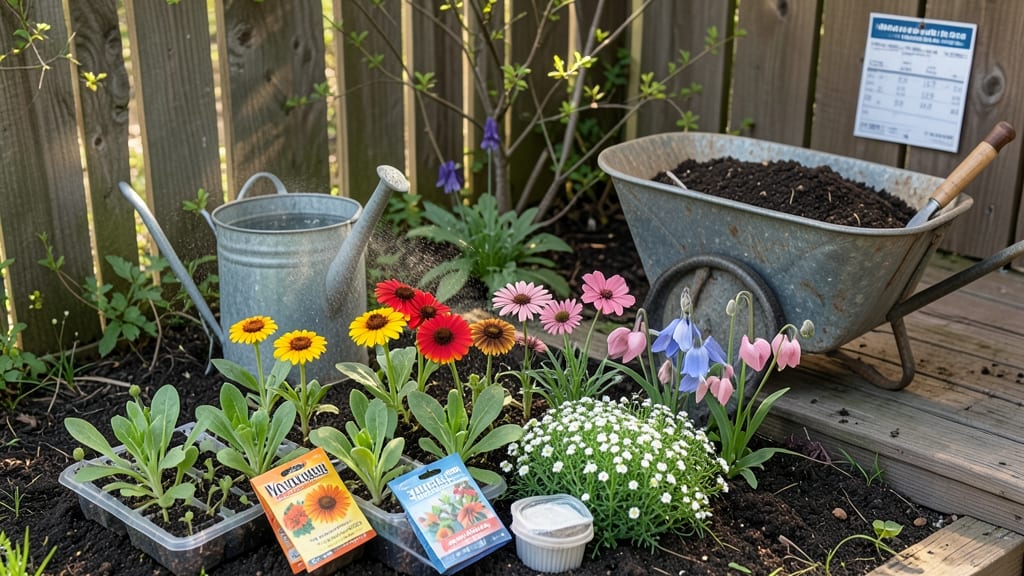
Planting flower seeds in Minnesota at the wrong time can mean waiting months for those vibrant blooms—or worse, watching them freeze before they even sprout. With USDA Zone 3-5 frost dates that shift yearly, timing is everything for 🌸 success.
Most gardeners assume spring is the only window, but Minnesota’s short growing season actually gives you two prime chances to plant: right after the last frost in late May and again in late July for fall blooms.
Missing these windows could leave your garden looking bare when neighbors’ flowers are in full swing.
I’ve learned the hard way that rushing seeds into cold soil or waiting too long can ruin your plans. The key is understanding your microclimate—whether you’re in the Twin Cities or rural northern Minnesota—and adjusting planting dates to match your area’s last frost date.
In this guide, I’ll break down the exact months to start seeds indoors, transplant outdoors, and even squeeze in late-season bloomers. You’ll discover which flowers thrive in Minnesota’s climate, from hardy perennials to fast-growing annuals that beat the frost.
Minnesota flower seed planting calendar by month: when to start indoors vs outdoors
Timing your flower seeds correctly in Minnesota’s USDA Zone 4b means the difference between a garden bursting with color and one that struggles to survive. With last frost dates often landing in mid-May and first frosts arriving by mid-October, planning ahead is everything.
Whether you're sowing annuals for summer blooms or perennials that return year after year, knowing when to start seeds indoors and when to plant outdoors ensures you make the most of your short growing season.
I’ve gardened in Minnesota for over a decade, and the key to success is balancing indoor seed-starting deadlines with outdoor planting windows.
Some flowers, like marigolds and cosmos, are hardy enough to handle direct sowing after the last frost, while others, such as petunias and geraniums, need a head start indoors.
Below, I’ll break down the best times to plant each month, including critical deadlines to avoid frost damage and maximize your garden’s potential.
For spring planting, I always start my petunias and geraniums indoors in early March to give them a strong head start. These flowers need warmth to germinate, and starting them too late can result in leggy, weak seedlings that struggle once transplanted outdoors.
By mid-May, when the last frost typically passes, I’m ready to move these tender starts into the garden, often using row covers for the first week to protect them from any lingering cold snaps.
In June, the focus shifts to direct sowing for heat-loving annuals like cosmos and zinnia. These flowers thrive in Minnesota’s summer heat and can handle being planted directly into the garden after the soil has warmed.
I also use this time to start perennials like coneflowers indoors if I want to extend their bloom time into early fall. The key here is to keep the soil consistently moist, as dry conditions can stress young plants.
Don’t overlook fall planting—it’s a great way to extend your garden’s blooms into autumn. In July, I begin sowing cool-season flowers like pansies and snapdragons indoors, then transplant them outdoors in August
How to adjust planting times for Minnesota’s unpredictable frost dates
Minnesota’s frost dates can shift by 2-3 weeks from year to year, making it tricky to pinpoint the perfect time to plant flower seeds.
The average last frost in most of the state falls around May 15, but northern areas like Duluth may see frost as late as June 1.
To avoid losing seedlings to late frosts, I adjust my planting timeline based on local frost-free averages and microclimate factors like urban heat islands or sheltered garden spots.
Urban areas like Minneapolis often experience earlier soil warming due to concrete and buildings retaining heat, while rural zones may stay colder longer. For example, I’ve seen marigolds thrive in city gardens by May 20, while my rural neighbors wait until June 1.
Paying attention to these differences can mean the difference between a failed seedling and a blooming garden.
🌱
Many gardeners rush to plant annual flowers like petunias or geraniums in early May, only to see them wilt from overnight frost. Even hardy perennials like coneflowers can struggle if planted before soil temps reach 50°F.
Always check the 7-day forecast and wait for 3 consecutive frost-free days before transplanting seedlings outdoors.
Pro Tip: Use frost cloth or row covers to protect young plants if you must plant early. These can raise soil temps by 5-10°F and extend your planting window by 2-3 weeks.
To extend your growing season, I use protective measures like cold frames or mini tunnels. These allow me to plant cold-tolerant flowers like pansies or snapdragons as early as April 15, giving them a head start.
For late-season blooms, I sow cosmos or zinnia seeds in early August—these fast growers often flower by September before frost arrives.
Another trick I rely on is the "50°F soil rule". Use a soil thermometer to confirm temps before planting. Most flower seeds need soil between 50-70°F to germinate well.
In Minnesota, this usually aligns with late May to early June, but microclimates can shift this window by 10 days or more. For example, south-facing beds warm up faster than north-facing ones.
If you’re unsure about your local frost dates, check the MN State Climatology Office or use Almanac’s Frost/Freeze Calculator. These tools provide historical averages for your ZIP code, helping you plan with confidence.
I also keep a garden journal to track when frost occurs in my area—this helps me adjust future planting times based on real data.
For fall planting, aim to sow seeds by August 1 for flowers like cosmos or sunflowers. These varieties mature quickly and can bloom until first frost.
Just remember: shorter daylight hours in fall mean slower growth, so start seeds indoors if you want a head start on spring blooms.