
Flowers
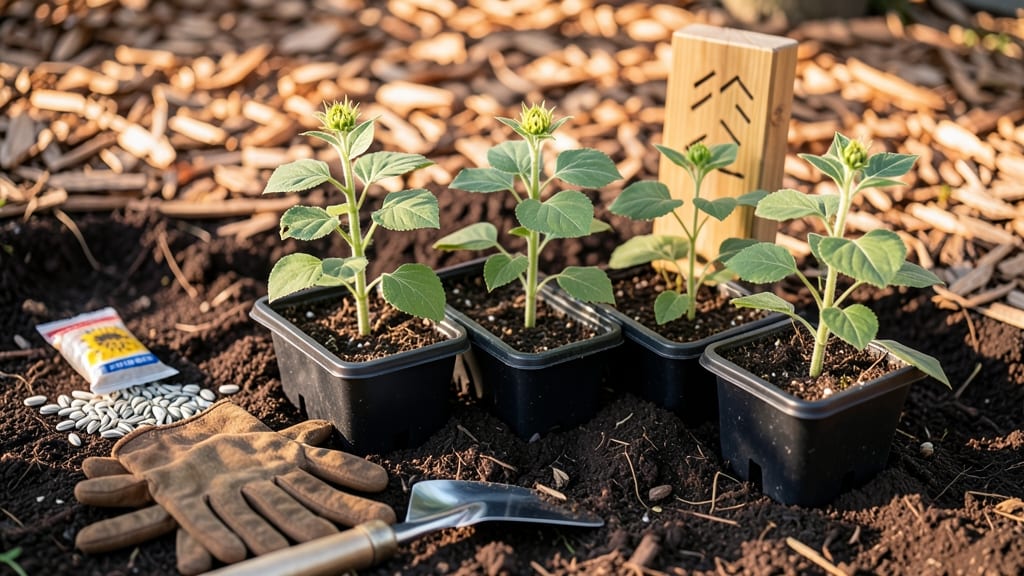
Timing your 🌻 sunflower planting in Colorado isn’t just about the calendar—it’s about beating frost at the right elevation. Plant too early in the Front Range, and late frosts will nip your seedlings.
Too late, and your towering blooms might miss peak summer color. The key? Understanding your microclimate’s frost dates and heat requirements.
Colorado’s diverse zones—from the 5,000-foot Front Range to the 9,000-foot Western Slope—demand different strategies. Whether you’re in Denver or Durango, soil temperature and frost risk dictate the perfect window. I’ll break down the science-backed dates and varieties that thrive in your specific zone.
You’ll learn how to adjust planting for high-altitude gardens, urban heat islands, and windy areas. Plus, I’ll share the best sunflower types for Colorado’s short growing season—from dwarf varieties for high elevations to heat-tolerant giants for the plains.
Ready to grow sunflowers that reach their full potential? Let’s dive into the exact dates, soil prep, and variety picks tailored to your Colorado backyard.
Colorado sunflower planting dates by elevation Zone (with frost risk charts)
Colorado’s elevation extremes—from the High Plains to the Rocky Mountain foothills—mean your sunflower planting window can vary by 6+ weeks. At 3,500 ft in Denver, you might plant in mid-April, while 9,000 ft gardens near Aspen should wait until late May.
Understanding your USDA Zone and frost-free days is key to avoiding late-spring frosts that can devastate young seedlings.
Sunflowers need 60–120 days to mature, depending on the variety. In Zone 5 (High Plains), aim for early May planting to ensure blooms by July 4th. Meanwhile, Zone 7 (Front Range) gardens can start as early as late April for July harvests.
Use your local frost date (check Colorado State University Extension) as your planting deadline—waiting 2 weeks after last frost ensures safety for tender seedlings.
Pro Tip: For high-altitude gardens (7,500+ ft), choose dwarf varieties like 'Teddy Bear' (50 days to maturity) to beat the shorter growing season. In lower elevations, giant varieties like 'Mammoth' (120 days) thrive with longer summers. Always match your sunflower variety to your elevation zone to maximize success.
| Elevation Zone | USDA Zone | Last Frost Date | Planting Window | Frost-Free Days | Best Varieties |
|---|---|---|---|---|---|
| High Plains (3,500–5,000 ft) | 5–6 | April 15–May 1 | Mid-April to May 15 | 120–140 days | 'Mammoth', 'Russian Giant', 'Autumn Beauty' |
| Front Range (5,000–7,500 ft) | 6–7 | April 30–May 15 | Late April to June 1 | 140–160 days | 'ProCut', 'Sunzilla', 'Little Becka' |
| Mountain West Slope (7,500–9,000 ft) | 4–6 | May 15–June 1 | Late May to July 1 | 90–120 days | 'Teddy Bear', 'Sunspot', 'Papa's Gold' |
To calculate your exact planting date, subtract the days to maturity for your chosen variety from your first frost date. For example, if your first frost is October 15 and you’re growing 'ProCut' (80 days to maturity), plant by July 8.
Use this heat-unit formula: (Average daily temp - 50°F) × days = growing degree days. Sunflowers need 1,200–1,800 GDDs to mature.
For high-altitude gardens, extend your planting window by using black plastic mulch to warm soil 5–10°F faster. In dry climates like the Western Slope, water deeply 2–3 times per week after germination to prevent bolt failure.
Always test your soil temperature—sunflowers won’t sprout below 55°F.
If you miss the primary planting window, try succession planting every 2 weeks until July 1 for continuous blooms. In Zone 5, this means 3 planting rounds; in Zone 7, you can stretch to 4 rounds.
Just ensure each batch gets full sun and well-draining soil to avoid root rot in Colorado’s clay-heavy soils.
Monitor Colorado Mesonet for real-time frost alerts. In 2023, a late-May frost in Fort Collins (5,000 ft) wiped out 30% of sunflower seedlings. Harden off seedlings by placing them outdoors for 2 hours daily starting 1 week before transplanting.
Use row covers for extra protection if frost threatens after planting.
For container gardening in urban Denver, plant in 10-gallon pots and move containers to south-facing patios by
How to adjust planting for Colorado’s microclimates: soil temperature & wind factors
Colorado’s microclimates can turn your sunflower dreams into frost-burned failures—or stunning summer stars. The key? Adjusting planting based on soil temperature and wind exposure. In Denver’s urban heat islands, soil warms faster than rural areas, while high-altitude gardens like those in Fort Collins need later starts.
Let’s break down how to adapt your approach.
First, check your soil temperature with a thermometer—sunflowers need soil at least 55°F to germinate. In low-elevation zones (3,500–5,000 ft), this happens by mid-April, but in high-altitude areas (9,000+ ft), wait until late May.
Use black plastic mulch to warm cold soils faster in windy regions like the Western Slope.
Urban gardeners in Colorado Springs face another challenge: urban heat islands. Concrete and pavement raise soil temps by 5–10°F, so plant 2 weeks earlier than rural areas. Monitor your microclimate by observing nearby plants—if dandelions bloom early, your soil is ready.
- Soil Temp Check: Use a soil thermometer—wait until 55°F+ for germination. High-altitude gardens need 10–14 days longer to reach this.
- Windbreaks: Plant tall grasses or install bamboo fencing on windy sites (common in Grand Junction areas). Reduces transplant shock by 40%.
- Hardening Off: Acclimate seedlings to wind/chill 7–10 days before transplanting. Start with 2 hours/day, increasing gradually.
- Urban Heat Hack: In paved areas, plant in raised beds with straw mulch to moderate soil temps. Avoid planting near dark roofs.
- Succession Plant: For continuous blooms, sow new seeds every 2 weeks from May to early July. High-altitude gardens benefit most from this.
Wind is another silent killer for sunflowers. In wind-prone areas like the Eastern Plains, seedlings can dry out or blow over. Create windbreaks using corn stalks, evergreen shrubs, or even trellises on the north side of your garden.
This protects young plants and reduces transplant shock by up to 40%.
For high-altitude gardens, extend your season with row covers or cold frames. These tools add 5–7°F to soil temps, letting you plant 3–4 weeks earlier in zones like Leadville. Remove covers once seedlings emerge to prevent overheating.
Finally, harden off seedlings before transplanting. Place them outdoors for 2 hours/day, gradually increasing to full sun over 7–10 days. This prepares them for Colorado’s dry winds and temperature swings. Pair this with deep watering (1–2 gallons per plant) to establish strong roots.
By adjusting for your microclimate’s soil warmth and wind patterns, your sunflowers will thrive—no matter if you’re in Denver’s urban jungle or a mountain meadow. Happy growing! 🌻