
Flowers
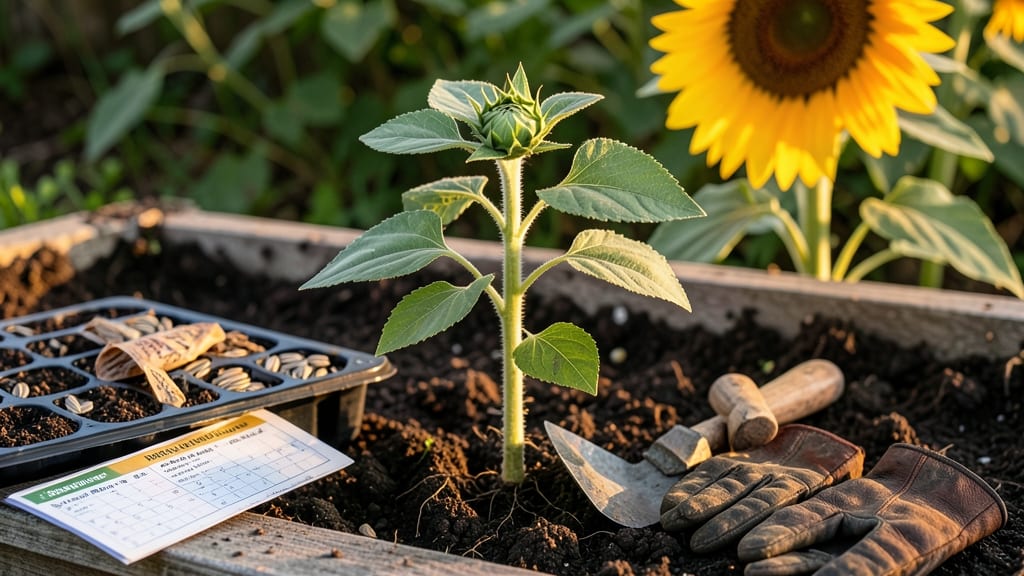
Planting sunflowers in Indiana at the wrong time can leave you staring at sad, stunted stems instead of towering 🌻 blooms that feed birds and brighten your garden.
The key to success lies in understanding Indiana’s USDA Zone 6a frost dates—because those late spring chills can turn your eager seedlings into crispy snacks overnight.
Most gardeners in Indiana wait until mid-April to late June to sow sunflower seeds directly into the soil, but timing isn’t one-size-fits-all. Whether you’re starting seeds indoors for an early jump or planting straight into the ground, soil temperature and frost risks play a bigger role than you might think.
I’ve learned the hard way that rushing sunflowers into cold soil (below 55°F) stalls germination, while waiting too long cuts your harvest window short. The sweet spot? Plant after your last frost—typically around April 15—when the ground warms enough to support those hungry little seeds.
In this guide, I’ll break down exactly when to plant sunflowers in Indiana, how to adjust for unpredictable weather, and which fast-growing varieties thrive in your zone—so you can go from seeds to sun-drenched blooms without the guesswork.
Indiana sunflower planting timeline by frost dates (Zone 5-6 guide)
Timing your sunflower (Helianthus annuus) planting in Indiana’s USDA Zones 5-6 means the difference between towering 10-foot giants and sad, stunted plants.
The average last frost date across northern Indiana (Zone 5) is April 15, while southern Indiana (Zone 6) typically sees frost-free conditions by April 1. But don’t let those dates fool you—soil temperature matters just as much as air temperature for sunflower success.
Sunflower seeds need soil temperatures above 55°F to germinate reliably. In cooler Indiana springs, this often means waiting until mid-to-late May in northern areas, even if frost has passed. For southern Indiana gardeners, early April sowings can work if you use black plastic mulch to warm the soil faster.
The key is balancing frost risk with soil readiness—plant too early, and your seeds may rot; too late, and you’ll miss the 90-day growing window for full-size blooms.
| Planting Stage | Zone 5 (Northern IN) | Zone 6 (Southern IN) | Soil Temp Requirement |
|---|---|---|---|
| Direct Sowing Window | May 15–June 15 | April 15–May 31 | ≥55°F |
| Indoor Start (Transplant) | March 1–April 15 | February 15–March 30 | ≥60°F (after transplant) |
| Last Safe Transplant | May 1–May 15 | April 15–April 30 | Soil ≥50°F |
| Harvest Window | Late July–October | Early July–October | N/A |
| Frost Warning | After May 15 | After April 30 | Use row covers if frost predicted |
For direct sowing, aim to plant sunflower seeds 1 inch deep and 12–24 inches apart, depending on the variety.
In Zone 5, this means waiting until mid-May to avoid frost damage, while Zone 6 gardeners can start as early as mid-April if using black plastic mulch or a cold frame.
The 100-day rule applies here: count backward from your average first frost date (October 15 in most of Indiana) to determine your last planting window.
If you’re starting seeds indoors for earlier transplants, begin 4–6 weeks before your last frost date. Zone 5 gardeners should start by March 1, while Zone 6 can begin as early as February 15.
Use biodegradable pots to avoid transplant shock when moving seedlings outdoors. Harden them off for 7–10 days before transplanting after the last frost—this gradual adjustment prevents sunflower shock.
One common mistake Indiana gardeners make is planting sunflowers too close to summer. While sunflowers thrive in hot weather, varieties like Mammoth or Russian Giant need 90–120 days to reach maturity. Planting after June 1 in Zone 5 risks immature blooms before frost.
For a second crop, choose fast-maturing varieties like Autumn Beauty (56 days) or Teddy Bear (60 days) and sow in early July.
Soil preparation is just as critical as timing. Sunflowers prefer well-draining soil with a pH between 6.0–7.5. Work in 2–3 inches of compost before planting to improve fertility, especially if your soil is clay-heavy (common in northern Indiana).
Avoid fresh manure, which can burn delicate seedlings. A light application of 10-10-10 fertilizer at planting time provides the phosphorus and potassium sunflowers need for strong root and stem development.
After planting, maintain 1–2 inches of mulch around each plant to retain moisture and suppress weeds. Sunflowers are drought-tolerant
How to adjust sunflower planting for Indiana’s unpredictable spring weather
Indiana’s spring weather can be as unpredictable as a toddler’s mood—one day it’s warm enough to plant, the next it’s back to frost.
I’ve had sunflower seedlings freeze overnight after I planted them in mid-April, only to have the ground warm up enough for planting by May 1st the following year. The key is flexibility: knowing when to plant, how to protect tender seedlings, and which varieties can handle cooler soils.
If you’re used to planting sunflowers after the last frost (typically April 15), you might miss the boat when a late frost hits. But don’t panic—there are ways to extend your planting window.
For example, using row covers or choosing cold-tolerant varieties like ‘Autumn Beauty’ can buy you extra time. I’ve even planted sunflowers as late as early June and still gotten blooms by summer’s end.
Here’s the hard truth: sunflowers won’t germinate well in soil below 55°F. If your ground is colder, your seeds will just sit there, waiting for warmth that never comes. That’s why I always check soil temperature with a soil thermometer before planting.
If it’s too cold, I opt for direct sowing in containers that I can move indoors if needed.
⚠️ Warning: Late Frosts Can Wipe Out Sunflowers!
Indiana’s average last frost is April 15, but late frosts can hit as late as May 10. If you plant too early, a 28°F night will kill seedlings overnight. Solution: Use floating row covers for 2-3 weeks after planting to protect young shoots. Remove covers when plants reach 6 inches tall to prevent overheating.
For gardeners who love a head start, indoor seed starting is your best bet. Sunflowers germinate quickly (5-10 days), so you can start them indoors 4-6 weeks before your last frost.
Just be sure to harden them off for a week before transplanting. I’ve had success with ‘Moulin Rouge’, a dwarf variety that tolerates cooler soils better than standard types.
If you’re planting directly outdoors, late May to early June is your safest window. By this time, the soil is consistently warm, and the risk of frost has passed. For a second planting, try late June—you’ll get smaller blooms, but they’ll still thrive.
Just avoid planting after July 1st, or your sunflowers won’t have enough time to mature before frost.
Pro tip: If you’re dealing with early heat waves, prioritize watering young plants deeply in the morning. Sunflowers are drought-tolerant once established, but seedlings need consistent moisture to avoid stress. I’ve seen sunflowers wilt dramatically in 90°F+ weather if they’re not watered properly—so don’t skip this step!
Finally, choose your sunflower varieties wisely. ‘Teddy Bear’ and ‘ProCut’ are great for cooler soils, while ‘Russian Giant’ needs warmth to thrive. Match your variety to your climate, and you’ll avoid disappointment. With these adjustments, you’ll turn Indiana’s unpredictable spring into your sunflower’s superpower!