
Flowers
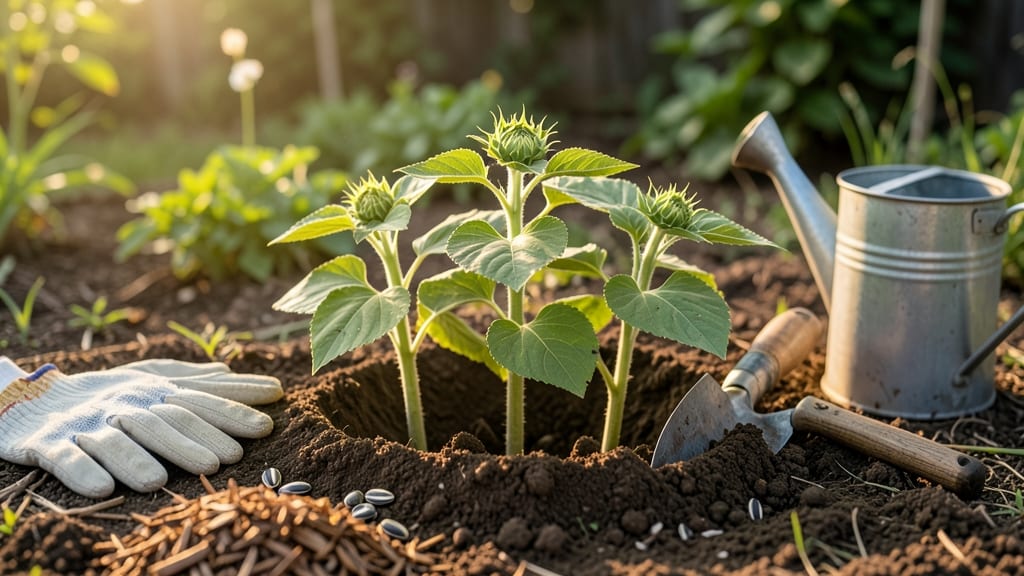
Planting sunflowers in Utah isn’t just about timing—it’s about unlocking their full potential in a state where desert heat meets mountain chill.
The best months to get those towering 🌻 blooms thriving depend entirely on your elevation, with lowland gardeners enjoying a 6-week window while high-altitude growers must wait until the last frost truly fades.
Most Utah gardeners in zones 5-7 can start seeds indoors by mid-March, but direct sowing after the last frost—typically mid-April to late June—gives your sunflowers the warm soil they crave.
Skip the guesswork: we’ll break down exactly when to plant based on whether you’re in St. George’s desert or the Wasatch Front’s cooler valleys.
Here’s the game-changer: sunflowers planted too early in Utah’s unpredictable spring can bolt from cold snaps, while late plantings miss peak summer blooms. I’ll show you how to read your local frost dates, adjust for soil temperature, and even choose varieties that handle Utah’s dry winds like pros.
Ready for sunflowers that reach 10+ feet tall? Let’s dive into the exact planting schedule—and pro tips—to make your Utah garden the talk of the neighborhood.
Utah sunflower planting calendar by elevation zones
Utah’s dramatic elevation shifts mean your sunflower planting schedule should shift with them. Low desert valleys like St. George (4,000–6,000 ft) enjoy earlier frost-free dates than mountain towns like Park City (8,000+ ft), where chilly nights linger longer.
I’ve broken down the ideal month-by-month planting windows so your sunflowers thrive regardless of where you garden in the Beehive State.
Sunflowers are cold-tolerant seedlings but need warm soil (60°F+) to germinate. At higher elevations, wait until soil temperatures stabilize—typically mid-May—while lowland gardeners can start as early as late March.
Below, I’ll show you exactly when to plant based on your elevation zone, plus frost-free date averages to guide your timing.
For low-elevation gardeners in places like Cedar City or Bluffdale, I recommend planting dwarf varieties like 'Teddy Bear' by late March to avoid heat stress during Utah’s 100°F+ summer days.
These sunflowers mature quickly (60–70 days) and tolerate dry conditions once established. Pro tip: Use black plastic mulch to warm soil faster in early spring.
Mid-elevation zones like Salt Lake City or Provo offer a sweet spot for giant sunflowers. Aim for mid-April planting of varieties like 'Mammoth' or 'Russian Giant'—these need 90–120 frost-free days to reach their full 10–14 ft height.
If you’re in doubt, start seeds indoors in March under grow lights, then transplant outdoors after the last frost.
High-elevation areas like Ogden or Park City face shorter growing seasons, so I suggest fast-maturing varieties like 'Autumn Beauty' (50–60 days) or 'Sunspot' (55–65 days). Plant no later than early June to ensure blooms before first frost in mid-October.
Harden off seedlings gradually if starting indoors, as mountain air can shock tender plants.
Regardless of elevation, soil temperature is your best guide. Use a soil thermometer to confirm readings of 55°F+ before planting. In Utah’s dry climate, water deeply at planting (1–2 gallons per hole) to encourage root growth. After germination, reduce watering to once weekly—sunflowers are surprisingly drought-tolerant once established.
One common mistake I see is planting sunflowers too early in cold soil, which leads to rot or slow germination. If your soil is below 50°F, wait or use heat mats for seed trays.
Another tip: Stake tall varieties at planting to prevent wind damage, especially in open Utah fields where gusts can exceed 30 mph.
For extended harvests, stagger plantings every 2–3 weeks within your zone’s window. This ensures continuous blooms from July through September, giving you fresh seeds and cut flowers for arrangements. Save seeds from your healthiest plants for next year—Utah’s dry climate naturally preserves seed viability.
Remember, these are general guidelines. Microclimates matter! A north-facing garden in a high-elevation valley might need a later planting date than a south-facing slope. Always monitor your local weather forecasts and adjust accordingly.
With the right timing, your Utah sunflowers will reward you with vibrant blooms that rival the state’s red rock landscapes.
5 Pro tips to maximize sunflower growth in Utah’s climate
Utah’s dry heat and windy conditions can challenge even the hardiest sunflowers, but with the right approach, you’ll grow plants that top 12 feet or more. The key lies in soil prep, watering discipline, and wind protection—all tailored to Utah’s unique climate zones.
I’ve grown sunflowers across Salt Lake City and St. George, and these five strategies make all the difference.
First, Utah’s alkaline soils often need amendments to help sunflowers thrive. Most native soils here have a pH of 7.5-8.5, which can lock out nutrients. I always mix in compost and a balanced fertilizer (5-10-10) at planting to give my sunflowers a nutrient boost right away.
This simple step can double your yield in Utah’s less-than-ideal soil.
- 1. Test & Amend Soil: Utah’s alkaline soils need compost and gypsum (1 lb per 100 sq ft) to improve drainage and nutrient availability.
- 2. Water Deeply, Less Often: Morning watering (1-2 gallons per plant) encourages deep root growth—critical for Utah’s dry summers.
- 3. Stake Tall Varieties: Use 3-foot stakes or windbreaks to prevent Utah’s gusts from snapping stems at the base.
- 4. Mulch Heavily: Apply 3-4 inches of mulch to retain moisture and cool roots in Utah’s intense afternoon sun.
- 5. Monitor for Pests: Watch for sunflower moths and beetles—Utah’s dry heat attracts them; use neem oil if needed.
Watering is where most Utah gardeners go wrong. Sunflowers need deep, infrequent watering—not light daily sprinkles. I water mine every 5-7 days during Utah’s peak summer, delivering 1-2 gallons per plant in the early morning to prevent fungal issues.
This encourages roots to grow deep, making your sunflowers far more drought-resistant once established.
Utah’s prevailing winds can turn your sunflowers into swaying weeds rather than sturdy stalks. For varieties over 8 feet tall, I stake them with 3-foot bamboo stakes tied loosely at the base.
In open areas, consider temporary windbreaks made from burlap or straw bales to shield young plants during Utah’s spring gusts.
Don’t overlook mulching—this is non-negotiable in Utah’s climate. I spread 3-4 inches of straw mulch around my sunflowers to lock in moisture and regulate soil temperature.
In Utah’s desert areas, mulch can reduce water needs by 30-50%, while in cooler mountain zones, it adds insulation against nighttime chills.
Finally, keep an eye out for pests that thrive in Utah’s dry heat. Sunflower moths and beetles are common culprits here. I’ve had success with neem oil sprays applied in the evening, which disrupts their life cycles without harming pollinators.
For severe infestations, row covers during the seedling stage can save your plants.
With these five strategies, your Utah sunflowers will thrive despite the challenges—producing bigger blooms, stronger stems, and healthier seeds than you’ve ever grown before. Happy planting! 🌻